


Summary of this article:Pet products fall under the high-demand category—despite this fact, this remains a business sector which is highly demanding in terms of handler responsibility. If you’re sourcing pet supplies from Amazon, Shopify, retail, or wholesale distributions, choosing the right pet product manufacturers and suppliers can directly impact your product quality, client/pet safety, customer review and long-term brand reputation. This guide will throw more light on how pet product manufacturing works, what types of factories to look out for, where to find them, how to verify their credibility and a step-by-step sourcing process you can follow to reduce risk and improve on your business scale.
Who Are Pet Product Manufacturers?
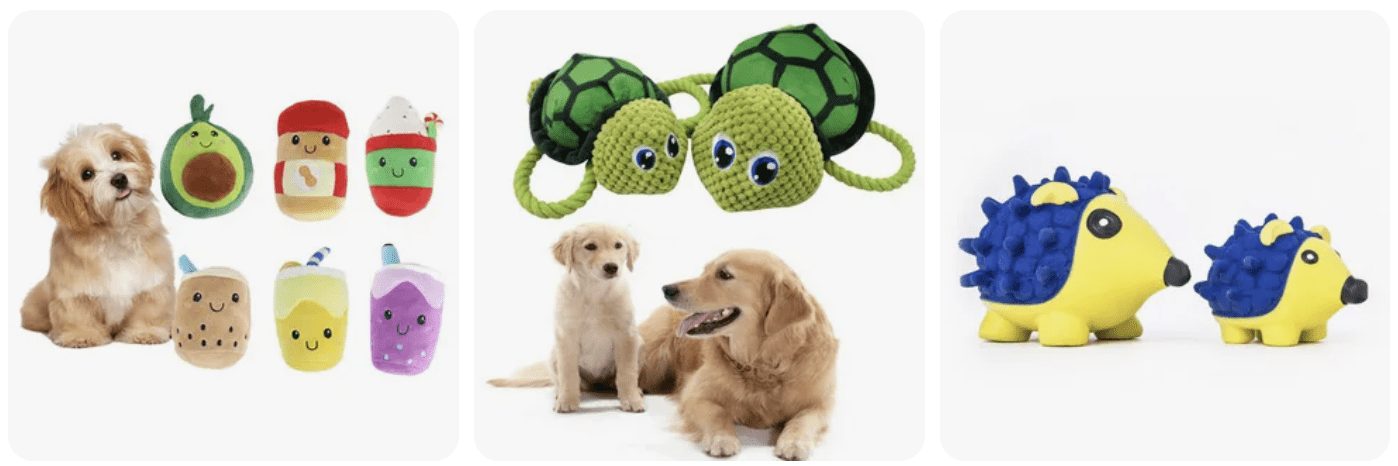
Pet product manufacturers are factories that produce products solely for pet usage, this includes:
●Toys and chewable products.
●Collars, leashes, harnesses and apparels.
●Pet beds, mats, carriers and travel accessories.
●Feeders, bowls, water fountains and feeding mats.
●Grooming tools and cleaning accessories.
●Litter boxes, pads and hygiene products.
●Training accessories and enrichment tools.
Some manufacturers pick a category and specialize strictly in that category (e.g., harnesses only), while others focus on the production process solely (e.g., silicone molding) and serve multiple pet-related categories through their production process.
Why Pet Product Manufacturing Is Different
Pet products must meet higher standards.
This is due to the fact that:
●Pets chew, scratch and ingest materials.
●Products often touch skin, fur or food.
●Durability issues become safety issues (broken parts, choking risk).
●Customers are extremely sensitive to quality and smell.
●Market places penalize high return rates and negative reviews.
In other words, low price is not the main win—safety and consistency are.
Most Common Pet Production Categories (And What to Check)
1、 Pet Toys & Chew Products
Key risks: choking hazards, weak seams, toxic materials, loose parts.
What to check: material safety, seam strength, small parts control, durability tests.
2、 Collars, Leashes, Harnesses
Key risks: Buckle failure, stitching failure, sizing inconsistency.
What to check: Webbing strength, metal/plastic hardware quality, load testing, size tolerance.
3、 Pet Beds & Soft Goods
Key risks: Filling quality, odor, zipper safety, stitching quality.
What to check: wash durability, fabric composition, seam quality, label accuracy.
4、 Bowls, Feeders, Feeding Mats
Key risks: Food-contact safety, cracking, odor, coating issues.
What to check: Food-grade materials, surface finishing, heat resistance, cleaning performance.
5、 Grooming Tools
Key risks: Sharp edges, breakage, user complaints.
What to check: Finishing, durability, packaging protection.
6、 Hygiene & Litter Products
Key risks: Brittleness, leakage, deformation in shipping.
What to check: Thickness, structural design, impact/drop tests, carton strength.
Where To Find Pet Product Manufacturers
1、 Search by looking out for Manufacturing/Production Processes
(This Is The Best Pet Product Sourcing Method)
Many “pet factories” are actually process-based factories:
●Textile/sewing factories → beds, apparel, soft toys.
●Injection molding factories → litter boxes, feeders, accessories.
●Silicone molding factories → bowls, mats, slow feeders.
●Metal hardware factories → clips, rings, leash hardware.
●Webbing factories → collars, harness straps.
If you look out only for “pet supplier,” you may end up with general traders. Search by process + product type.
2、 Use Multiple Supplier Discovery Channels
●B2B platforms which are user friendly, easiest and quickest for building a longlist).
●Trade fairs and exhibitions (good for verifying suppliers on the spot).
●Web search + factory websites (often finds serious OEM/ODM suppliers).
●Referrals (QC companies, logistics partners).
●Sourcing partners (helpful for verification and inspection support).
How To Verify A Pet Product Manufacturer (Factory vs Trader)
Signs of a real manufacturer
●Shows production lines and equipment (not only showrooms).
●Can make clear factory addresses available and accepts audits/visits.
●Provides detailed explanations for materials and production steps.
●Provides QC checkpoints and inspection records.
●Provides realistic lead times and capacity information.
Red flags
●A very large product range across unrelated categories.
●vague claims about best quality products without material details.
●Difficulty in providing real product videos or factory evidence.
●Draws up payment before samples/spec confirmations or provisions.
●Never makes room for clear defect policies.
Traders aren’t always bad—but you should know what you’re working with.
Safety and Compliance:
Don’t Skip This Part.
Pet products often require extra care in aspects like:
●Non-toxic materials and safe dyes.
●Small parts & choking risks (especially toys).
●Food-contact safety (bowls, feeders, mats).
●Labeling and usage warnings (pet size guidance, supervision warnings).
If you sell into strict markets, consider third-party testing for high-risk items.
Step-by-Step: How To Source Pet Products from Manufacturers.
Step 1: Create a Product Requirement Sheet which should include:
●Product specifications (size, materials, variants).
●Target quantity (trial + reorder forecast).
●Packaging requirements (bag/box, inserts, carton marks).
●Safety/compliance requirements.
●Target lead time and destinations.
●Preferred terms (EXW/FOB/CIF/DDP).
Step 2: Build A Supplier Shortlist
●Longlist: 10–20 suppliers.
●Shortlist: 3–5 after verification and communication check.
Step 3: Request That Quotes With Comparable Conditions Be Made Available To You.
Ask for:
●MOQ and price breaks.
●Lead time.
●Packaging and labeling price.
●Customization options (logo, packaging, color).
●Defect policy and claim window.
Step 4: Sampling + Testing
Test:
●Durability and quality (pull tests, seam strength, chew resistance where applicable).
●Finishing touches (sharp edges, loose parts).
●Smell and material feel.
●Packaging protection methods (shipping damage prevention).
Step 5: Trial Order + Pre-Shipment QC
Before scaling:
●Place small orders.
●Do pre-shipment item quality inspections.
●Verify SKU accuracy, labels, packaging and carton measurements.
Step 6: Reorder Systems
Keep:
●Preserve golden samples and final specification sheets.
●Approve materials and color references.
●Quote history and MOQ tiers.
●QC reports and defect history.
●Packaging and labeling standards.
This is how you scale safely.
Most Common Mistakes When Sourcing Out For Pet Products
●Settling for lowest supplier prices in purchasing chew/toy products without making room for safety checks.
●Ignoring hardware strength for leashes/harnesses.
●Weak packaging leading to deformation and returns.
●Skipping QC before shipping.
●Launching without a backup supplier for best-sellers.
Final Thoughts
Finding good pet product manufacturers is all about building a safe, repeatable system—verifications, material controls, sampling, QC and documentation. Do it right and pet products will potentially become a strong long-term category with high reorder potential, high profit margins and scalability options.