What Does It Mean To Manufacture Pet Supplies?
A factory that makes things for pets is called a pet supplies' manufacturer.
●Toys, chew things, and things that make pets happier.
●Clothes, collars, leashes, and harnesses.
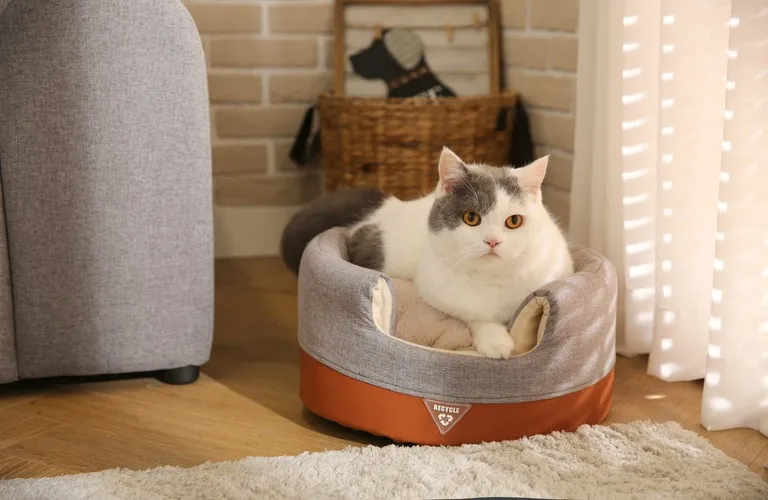
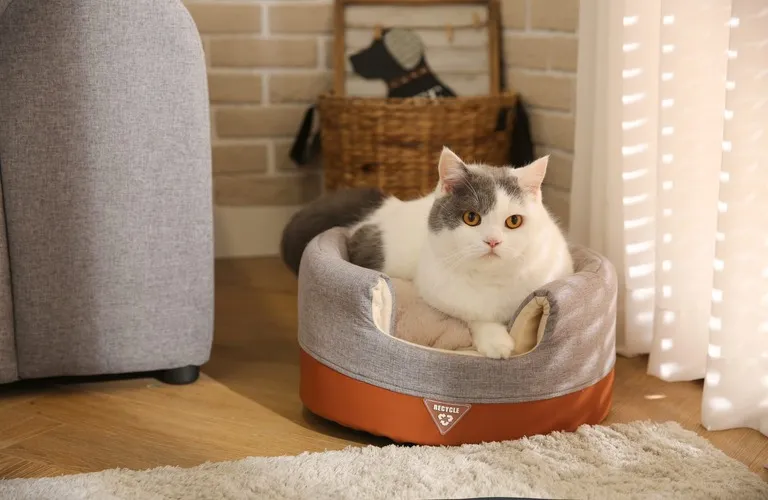
●Beds, mats, and carriers for pets.
●Water fountains, bowls, and feeders.
●Tools for grooming and cleaning pets.
●Litter boxes, pads, and other hygiene items.
●Tools for training and things to take on trips.
Some companies only make one type of product, like leashes and harnesses, while others make a lot of different types of products using the same materials and production methods, like silicone and plastic molding.
Why Is It Important To Pick The Right Pet Product Factory?
Pet products are things that people trust a lot. What customers care about:
●Safety (materials that aren't toxic, no sharp edges, and safe dyes).
●Durability (it won't break after a few uses).
●How comfortable and well-fitting they are (for collars, harnesses, and clothes).
●Hygiene and smell (bedding and litter accessories).
●Branding and packaging (especially for high-end positioning).
Because pets can chew and eat things, and because some things touch food or skin, quality and compliance are more important than low price.
Common Types Of Manufacturing Processes When It Comes To Pet Supplies
(What to Look For When Sourcing For Pet Supply Manufacturers)
1、 Toys and chew things for pets
The main risks are choking hazards, weak seams and poisonous materials.
Check the safety of the materials, testing for durability, strength of the stitching and control of small parts.
2、 Collars, leashes, and harnesses
The main risks are that the buckle might break, the stitching might come loose or the sizes might not match. Check the webbing's strength, the hardware's resistance to corrosion, the load testing and the size tolerance.
3、 Pet beds and other soft goods
The main risks are seam failure, smell, filling quality and shrinkage.
Check the quality of the fabric, the safety of the zipper, how well it washes and how consistent the filling is.
4、 Bowls, feeders and kitchen tools for pets
The main risks are safety when in contact with food, smell, cracking and problems with the coating.Check for materials that are safe for food, a smooth surface, resistance to heat and a design that is easy to clean.
5、 Tools for grooming
Sharp edges, breakage, and bad ergonomics are some of the main risks.
Check the quality of the blade/teeth, the strength of the handle and the protection of the packaging.
6、 Trash and cleaning supplies
The main risks are plastic breaking, leaking and not fitting well. Be careful and check the material thickness, structural design, drop/impact testing and odor control claims.
Where To Search For Manufacturers Of Pet Supplies
1、 Start With The Product And The Process Of Making It
Most of the time, the best factories are set up by process, not by "pet" as a label. For instance:
●Silicone molding factories make bowls, mats, and slow feeders.
●Injection molding factories make litter boxes, feeders, and other things.
●Textile and sewing factories make beds, clothes, and soft toys.
●Metal hardware factories make things like clips, rings, and leash hardware.
●Webbing factories make things like collars/harness straps.
If you only look for "pet factory," you might find general traders. Look for things by process and type of product.
2、 Use A Lot Of Different Channels
●B2B platforms (great for making a long list).
●Trade shows and industry fairs (good for finding verified suppliers).
●Search the web and factory websites (this often leads to good OEM/ODM suppliers).
●Recommendations from QC companies and freight forwarders.
●Finding partners to help with supplier verification and inspection.
How To Check Out A Factory For Pet Supplies
(Factory vs. Trader)
Real signs of a Factory
●Can show videos and equipment from the production line.
● Has a clear address for the factory and allows audits and visits.
●Can go into great detail about the materials and steps in the production process.
●Has quality control checkpoints and can send inspection reports and pictures.
●Gives realistic lead times and capacity planning.
Real signs of a Trader
●A very large sourcing of products from different categories.
●Not clear answers about materials ("safe, good quality").
●Won't accept proof of testing or inspection.
●Forces payment without checking samples and specs.
●Can't explain how long it will last or how safe it is.
Traders can still help with mixed SKUs but you need to know what you're getting into.
Compliance and Safety (Don’t Skip This)
Requirements for pet products vary by market, but you should always pay attention to:
●safe dyes and materials that aren't toxic(non-toxic materials)
●small parts that could cause choking, especially toys.(small parts/choking risk)
●safety of bowls and feeders that touch food.(food-contact safety)
●Warnings and labels on age and pet size information.(labeling and warnings )
●No making of health claims that could be dangerous without proof.(claims control )
If you sell in strict markets, you might want to have third-party testing done on high-risk items, like chewable products and food-contact items.
How to Get Pet Supplies from Manufacturers
(A Step by Step Guide)
Step 1: Make a list of what the product needs.
These may include:
●Product specifications (size, materials, colors, and types).
●Target number (trial + reorder forecast).
●What kind of packaging is needed (bags, boxes, labels, inserts).
●Safety and compliance rules.
●Set a target lead time and destination.
● Preferred terms (EXW, FOB, CIF, DDP).
Step 2: Make a long list and a short list of suppliers
●Longlist: 10 to 20 suppliers.
●Shortlist: 3–5 after checking and talking to them.
Step 3: Request For A Standard RFQ
●Minimum order quantity and unit price tiers.
●Time to lead.
●Options for customization, like color, logo and packaging.
●Policy on defects and warranty.
●Time and cost of a sample.
Step 4: Testing and Sampling
●Order samples from two to three different suppliers.
●Check for safety and durability (pull test, seam strength, chew resistance, etc.).
●Check for smell, finish, sharp edges and stability of small parts.
●Check that the packaging will keep the items safe during shipping.
Step 5: Test Order and Quality Control Before Scaling
●Make a test order.
●Check the items before they are shipped.
●Check the accuracy of the size, stitching/finishing, hardware strength and labeling.
Step 6: Consolidation and Shipping Plan
If you are getting more than one SKU:
●Put everything in one warehouse..
●Make boxes better to lower shipping costs.
●Make sure the packing list matches the boxes to avoid problems with customs.
Step 7: Set up a system for reordering.
In this process, keep track of:
●Last spec sheet and pictures.
●Approved color and material references.
●History of quotes and minimum order quantities.
●Reports from quality control and a history of defects.
●Standards for packaging and labeling.
This is how to grow without confusing your suppliers.
Mistakes People Make When Buying Pet Supplies
Things to not do when searching for pet supply sources:
●Picking the cheapest factory for chew and toy products without testing for safety.
●Unclear requirements for materials and thickness.
●Not paying attention to the strength of the hardware (leashes and harnesses).
●No proof of quality control before shipping.
●Not doing packaging tests (damage and deformation during shipping).
●Starting without a backup supplier for best-selling items.
Final Thoughts
A good pet supply manufacturer is more than just a seller; they are a long-term partner who will keep your brand's reputation and product quality high. The best way to find suppliers is to look at more than just price. You should also think about materials, safety, quality control, repeatability and reliability.