Start With a Clear “Bulk Buyer” Spec Sheet
When you provide suppliers a concise one-page brief, they react more quickly and precisely.
To provide a concised one page brief, add:
•The age range: toddler (2T–5T), infant (0–24 months) or both
•The product category including dresses, coats, leggings, bodysuits, sets and sleepwears.
•Fabric specifications such as: fleece weight (GSM), bamboo mixes, cotton, organic cotton, etc.
•Construction details which include tagless labels, seams, elastic waistbands, snaps, zippers and neckline designs
•Sizing and grading which are tolerance-based measurements (e.g., ±1 cm)
•Color options: quantity of colors and if necessary, Pantone references
•Branding: packaging, carton markings, hangtags, labels and care tags
•Order plan: starting quantity and anticipated frequency of reorders
• Target market: US, EU, UK, AU and SEA (affects compliance needs)
Tip: Compared to regular fashion, children's clothing need greater precision. Important details include label positioning, shrinkage, snap durability and seam softness.
Choose the Right Supplier Type for Bulk Orders
Not every provider has the same function. Typical choices for clothing for babies and toddlers include:
A) Cut-and-sew factories (best for brand building)
•Complete command over packaging, branding, fit and fabric
•Perfect for reliable production and private labelling
•Better long-term dependability but typically higher MOQs
B) OEM/ODM suppliers with ready styles (fastest private label option)
•Provide pre-made styles with tested patterns
•Permit color, label, package and occasionally fabric customisation.
•Perfect for entering the market quickly without requiring complete design development
C) Wholesalers/distributors (best for quick inventory)
•Stock that is ready to ship with little complication
•Less distinction but appropriate for demand testing
D) Sourcing agencies (best for QC and coordination)
•Beneficial for overseeing several factories
•Offer reporting, inspections and coordinated logistical assistance
The Best Ways to Find Wholesale Suppliers of Infant and Toddler Clothing
Instead, than depending just on one sourcing channel, use several at once.
1) Trade shows and wholesale fairs (high trust, relationship-focused)
Trade exhibitions facilitate in-person communication, long-term negotiations and quality comparison.
What to do:
•Find out MOQs by color, size and style.
•Ask for factory information (not just sales representatives)
•Set up sample follow-ups right away.
•Arrange sample follow-ups immediately
2) B2B marketplaces (fast discovery, requires vetting)
Quickly creating a shortlist is helpful but it is not evidence of dependability.
Best practice:
•Shortlist 5–10 suppliers
•Narrow to 3–5 based on responses and capabilities
•Order samples from at least 2–3 before committing
3) Domestic wholesalers (best for speed and consistency)
•Shorter lead times and quicker replenishing
•Generally, more consistent supply but higher unit prices
4) Manufacturing hubs (advanced sourcing, better pricing)
•Availability of specialist factories in production clusters
•For optimal outcomes, local agents or relationships are frequently needed.
Vet Suppliers With a “Quality + Compliance” Scorecard
When it comes to children's apparel, consistency and safety are more important than just cost.
Supplier vetting checklist
Capability
•Do they specialize in products for infants and toddlers?
•Are they able to manage your designs, patterns, trims, and fabrics?
Quality systems
•Do they perform in-line and final inspections?
•Can they provide QC photos or reports?
•Can they support testing and documentation for your market?
•Are they aware of safety risks (e.g., drawstrings, small parts)?
Communication
•Are MOQ, lead times, and defect policies clearly explained?
•Do they confirm specifications in writing?
Supply stability
•Can they maintain consistent fabric quality (same material codes and GSM)?
•Can they support repeat orders with consistent sizing?
Compliance Basics You Should Build Into Sourcing (US + EU)
Compliance varies by region but these are key areas to plan for:
United States (high priority for children's clothing)
Typical requirements include:
•A Children's Product Certificate (CPC) and third-party testing
•Limitations on dangerous substances, such as phthalates
•Monitoring labels to ensure product traceability
•Regulations pertaining to small parts (particularly for items under three)
•Standards for general clothing's flammability
•Guidelines for kids' sleepwear
•Drawstring restrictions because of safety risks
Practical takeaway: Budget for testing, certification and labeling from the beginning and ensure your supplier can support documentation.
European Union (safety and labeling focus)
Key areas include:
•General Product Safety Regulation (GPSR)
•Textile fiber composition labeling requirements
•Safety standards for cords and drawstrings (e.g., EN 14682)
Practical takeaway: Ensure correct product design, accurate fiber labeling and adherence to safety regulations.
Important: This is not legal counsel. Verify criteria for your particular product type and always market.
Sampling Plan for Infant/Toddler Clothing (Don’t Skip This)
Sampling is crucial, particularly when it comes to children's apparel.
Minimum sample package
•Fabric swatches with confirmed material codes
•Pre-production (PP) sample of the final design
•Size set samples (e.g., 12–18M, 2T, 3T, 4T)
•Wash tests (shrinkage, colorfastness, seam performance)
•Trim testing (snaps, zippers, buttons, print durability)
Common return issues
•Unexpected reduction in size
•Uncomfortable labels or rough seams
•Variations in size
•Poor snaps or ineffective cuts
Quality Control for Bulk Orders
QC for children’s clothing should focus on safety, comfort, and consistency.
Inspection checklist should include:
•Measurements within specified tolerances
•Seam quality (no irritation, loose threads removed)
•Secure attachment of snaps and buttons with no sharp edges
•No detachable small parts for under-3 products
•Safe design choices (e.g., avoiding risky drawstrings)
•Accurate carton labels and packaging details
Bulk Pricing and MOQ: What Changes Cost Most
Important elements that affect price:
•Type of fabric (bamboo mixes, organic cotton, specialized finishes)
•Printing technique (embroidery, little print or full print)
•Trims (unique labels, quality buttons and zippers)
•The quantity of colors (MOQ may be needed for each color)
•Requirements for packaging (bags, labels, inserts)
•Costs associated with compliance (testing, paperwork, inspections)
Smart launch strategy:
•Start with fewer colors
•Limit styles
•Focus on high-demand sizes
Then expand after validating sales performance.
Common Mistakes to Avoid
•Purchasing only based on pictures rather than tangible samples
•Ignoring size set testing, which causes returns and sizing problems
•Permitting material replacements without authorization
•Disregarding early compliance standards
•Purchasing too many SKUs, which results in unsold stock
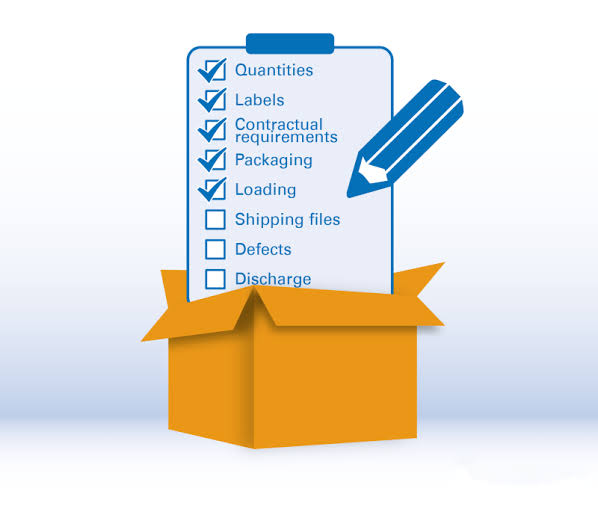
Bulk Sourcing Checklist (Copy/Paste)
Before placing a bulk order, verify the following:
•✅ Specifications, measurements and tolerances agreed in writing
•✅ Fabric codes, fiber composition and GSM confirmed
•✅ Samples approved (PP sample and size set)
•✅ Wash and shrinkage tests completed
•✅ QC plan and inspection checklist defined
•✅ Labeling requirements confirmed (fiber content, care, tracking labels if needed)
•✅ Compliance documentation planned (e.g., CPC for US where required)
•✅ Shipping terms (EXW/FOB/DDP) and timeline agreed
•✅ Defect and remake policy included in the purchase agreement