


Summary of this article:LCL (Less Than Container Load) involves sending your shipment in a container that will be shared with other consignments. This is an ideal option if you aren't yet able to send a full shipping container load.
What is LCL?
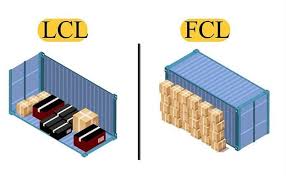
In LCL the cargo is picked up at Container Freight Station and loaded onto one container with other cargoes, shipped overseas, deconsolidated at the receiving CFS, cleared, and delivered. The use of LCL is ideal for mixed SKU, trials and large shipments that aren't small enough for air freight and not large enough for one shipping container.
FCL or LCL Which One is For You?
Choose LCL if you have a smaller volume of shipment and you would like to test your products, choose FCL if your shipment volume is consistent and larger. FCL has fewer stages and damage is less risk since a shipping container has full seal.
LCL Pricing W/M Calculation
W/M calculation (weight or measurement-higher of the two): 1 CBM = 1 m = 1 measurement ton; 1,000 kg = 1 weight ton. Your payment is then calculated based on max (Total CBM, Total weight in tons). CBM is calculated using formula L W H (in meters) X No of Cartons.
True Cost of Shipment
It is important that you always request a three-bucket quote, rather than just your ocean freight rate.
Origin costs: pickup/delivery services, export customs clearance, CFS receiving services.
Ocean freight cost: W/M with minimum rate applicable.
Destination costs: CFS deconsolidation, destination terminal, customs broker services, and delivery trucking (these can often surprise you).
Full Procedure of LCL Shipment movement:
1. Checking cargo information (cartons count, dimensions, weight, CBM, descriptions)
2. Choosing Incoterms (FOB, is most popular; EXW if forwarder is to pick up cargo from the manufacturer)
3. Forwarder booking and CFS cut-off date
4. Consigning to the CFS facility, cargo measurement/weighing
5. Cargo consolidation at CFS and loading into a container with other consignors
6. Ship voyage with tracking facility
7. Unpacking cargo at the CFS facility at the destination.
8. Customs declaration (using the commercial invoice, packing list and B/L)
9. Terminal delivery to the warehouse/3PL.
Key documentation needed:
Commercial Invoice, Packing List, Bill of Lading, Certificate of Origin (if applicable) and Product Certificates (if applicable).
Ways to Reduce Damage and Expenses:
Manage CBM-maximum carton size, utilize the full carton, merge vendors at the CFS before loading.
Packaging-double-wall cartons, protective inserts, marked cartons with SKU information.
Obtain cartons data before booking-size, weight, photos, packing list.
Typical Mistakes:
Ocean freight alone is usually the main deciding factor in choosing FCL over LCL, but not clarifying destination charges will leave you with costly surprises. This, coupled with incorrect CBM calculations and insufficient packaging, can result in damage due to mishandling and/or missed CFS cut-off times.
Conclusion:
While LCL freight is an affordable alternative to costly air freight or fully occupied shipping containers, take care when planning your shipment. Keep your CBM controlled, make sure to request a three-bucket quote and pack accordingly because, generally, LCL involves more handling than FCL.