What Quality Control Should Cover
The remit of a quality control process isn't solely about ensuring goods are not broken. It is to ensure the goods conform to the specification, including the look of the product, its material, dimensions, weight, color, function, logo placement, packaging, labelling, bar coding, carton marking, quantity, accessories, manuals, safety warnings and regulatory documents. A more clearly defined specification will make inspections much easier.
Types of Inspection
Pre-production inspection: Checks on materials, components, and production arrangements before mass production begins. Critical for custom products and high-risk goods.
During production inspection, checks when between 20% and 50% of goods are manufactured, critical for large, detailed and complex orders.
Pre-shipment inspection: This is the most common type of inspection; check on finished and packaged products before the final payment is made. It is the minimum required check by any buyer.
Container loading inspection: Verify the correct goods are loaded into the container in the right way. Critical for high-value and bulk orders.
Factory audit; Review of the supplier's capability, systems of quality management and their standards and compliance. The best check before placing a large order or committing to a long-term supplier relationship.
AQL: How Sampling Standards Work
The AQL (acceptable quality limit) is a method of sampling, which indicates the number of samples to be checked and the number of defects that can be accepted before a batch is rejected. Commonly a standard 0 AQL for critical, 2.5 for major and 4.0 for minor defects are accepted within the consumer goods market. An AQL standard does not mean every product produced will be faultless, rather it sets standards and uses statistical data from the inspected samples to reach a shipping decision.
Defect Classification
Critical defects are anything that would put people, product or process at risk, e.g., sharp edges on children's toys, electrical hazards or the incorrect regulatory labelling of products. These should be 0 tolerance.
Major defects would affect functionality or salability, i.e. The wrong dimensions of a product, non-functioning elements or accessories missing from the product.
Minor defects would include aesthetic imperfections like scratches (that are minor), variations in color within tolerance.
Before starting any inspection, the buyer, supplier and inspector must have agreed on what constitute critical, major and minor defects and what the acceptable numbers of these defects are. The absence of an agreement inevitably leads to disputes.
Creating a Practical QC Checklist
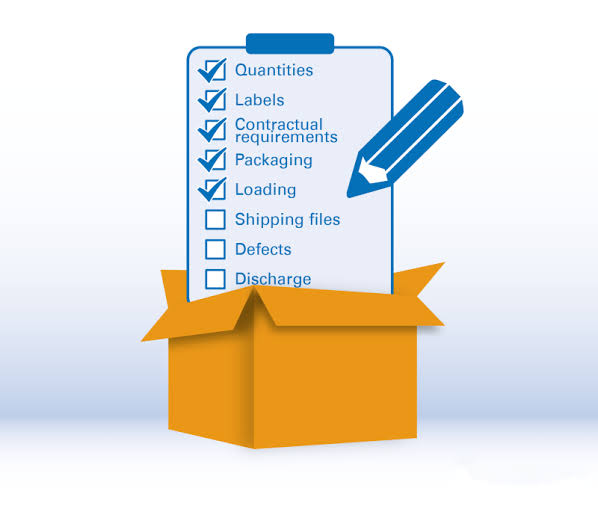
AQC checklist will include the product name, approved sample photograph, required material specifications, required dimensions and tolerance (within +/- % or mm), color standards (from color standards guide), required weight (within +/- %), function tests to be carried out (where possible), logo position and color, packaging (material and dimensions), label/barcode position and data, carton markings (where needed) and quantity per carton and what defines critical, major, minor defect(s). The check list must be generated before production is complete. You will need to describe specifications in a factual way, e.g. Size and dimensions, not simply 'good quality' or 'nice logo'.
Handling Defects After Inspection
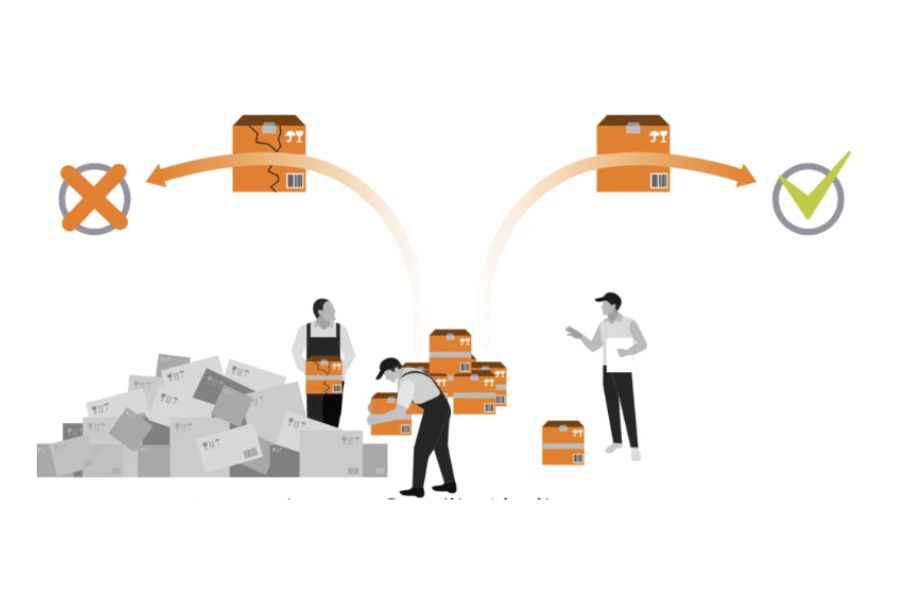
The options are: rework (where the supplier amends their goods), sorting (picking the good items from the faulty ones), replacement (where the supplier ships out new units), discount (where you accept slightly flawed goods at a lower price) or reinspection after rework. Never accept faulty goods on the word that they will be rectified on the next production run, as when the goods have left China, it costs far more to resolve.
Who Should Perform Inspection?
Supplier self-inspection-these are fine as a check on a small order, but are insufficient, as the supplier has a direct interest in having goods cleared.
Sourcing agent-this is very useful for small or medium-sized orders, as you will already have contracted an agent to deal with purchases.
Third-party inspection-these are impartial and best used for high value or bulk orders, or where there is need for formal report.
Buyer’s own team-this offers the most control but is not feasible for most people.
Regardless of who you choose for QC it must be a neutral party, must follow your checklist precisely and must provide photographs of all problems found with a clearly identified pass/fail recommendation.
QC for Specific Product Categories
Apparel; fabric weight, stitch length, dimensions, color accuracy, function of fastenings, labelling.
Electronics; function tests, charging, electrical safety compliance and voltage, labeling standards.
Toys/children's products; choking hazards, sharp edges, smell, age recommendations, compliance standards.
Kitchen and houseware; materials, surface finish, sharp edges, food contact material suitability.
Custom Products; Logo/brand placement, size and color, packaging, barcode and sample compliance.
High-risk products require a certain amount of lab testing and regulatory compliance testing rather than simple visual checks.
Common QC Mistakes to Avoid
Assuming sample quality will match batch quality, inspecting after shipment, poorly defined specifications, chasing the lowest price but expecting premium quality, not defining what defects are, skipping packaging inspection and testing visual compliance against regulatory standards.
Practical QC Workflow
Define specification, select a suitable supplier(s), approve the samples, produce a QC checklist, specify acceptable levels of defects and AQL standard, agree on packaging and labeling, in the Purchase Order Monitor, the production stages perform pre-shipment inspection, agree on defect rectification and if necessary, re-inspection approve shipment and report on supplier performance.
In Conclusion
Quality Control is your primary defense against losing money, letting down your customers and damaging your brand. It must be built into the system as a repeatable process; with the clearest possible specification, the appropriate samples approved, defined standards agreed, inspection before shipping confirmed and processes agreed for defects. Most crucially, the specification must be in place and clearly defined before products go into production, rather than after the problems emerge.