What is Wholesale?
Basically, it’s about getting good deals by buying items in bulk for lower per-unit cost. This is from factories directly, but often through traders or distributors. The actual purchase includes communications with suppliers, Quality Control (QC) with the products, shipping and customs management, cash flow, and after sales. It’s crucial to get the full ‘landed’ cost: this is the price of the product, the price of the delivery in China, packing, inspection, delivery to your country, import duties, taxes, warehousing and allowing for any defects/returns.
Finding Your Platform
Alibaba: Most of the world knows it. Best for new users. There are exporters there. Language is not a problem with international payment support and English communications.
1688: You can get cheaper deals, but it is China domestic. Requires an agent to buy on your behalf.
Made-in-China / Global Sources: Good if you are looking for industrial items, electronics and if the supplier already exports.
Canton Fairs/ Trade Fairs: A great way to talk to suppliers and check product quality in person but only available on certain dates.
Sourcing agents: This will help you source, find suppliers, negotiate and even perform QC. 1688 was highly recommended for difficult cases.
Know Your Product and Requirements
Before you contact anyone, make sure you know exactly what you want. Prepare the following: name, material, size, weight, function, packaging, logo details, order quantity, your target price, where you want it delivered, any compliance needs, when you need it. It prevents misunderstandings and helps get similar quotes.
Before Sending Money, Verify Suppliers
You MUST! do some checks. This includes things like: Company profile, business license, what kind of product they specialize in, how long they have been in business, if they have export experience, look at pictures of their factory and check certifications. Also, ask if they manufacture or if they are traders, request original product pictures/videos, confirm that samples are available and check that you can conduct inspections. Good suppliers answer questions with specific details. Red flags include vague answers, reluctance to send samples, pressure to pay instantly, prices that are far too cheap or bank accounts in names that don’t match their legal company. If placing a large order, use a third party to inspect their factory.
Compare their prices!
Contact 5-10 suppliers with the same product specification. Compare their prices but also their Minimum Order Quantity (MOQ), sample cost, production time, details of packaging, what kind of customization is possible, payment terms, communication style, export experience and willingness to facilitate inspections. It might be worth paying slightly more to a supplier that communicates well and can help with inspections. Also, look at their communication style – a good supplier will ask clarifying questions, whereas a bad supplier will try to dodge everything you ask.
Always Order Samples First
This ensures quality, size, weight, color, functions and packaging. With custom products, you may need several rounds of samples to approve. The sample that you approve must be in writing to show it is the standard for the main production run. A sample doesn’t guarantee bulk production quality – inspections are still necessary.
Safe Payments
Platforms like Alibaba with Trade Assurance are good. For small orders PayPal is reliable, or if not, you may need to make a bank transfer. Always make sure that the bank account name is the same as the supplier’s registered company name, not a personal account or a random third-party account. A typical method for larger orders is to pay 30% as a deposit then 70% after inspection and before shipment. Always have everything in a written agreement.
Get QC Done Before Shipping
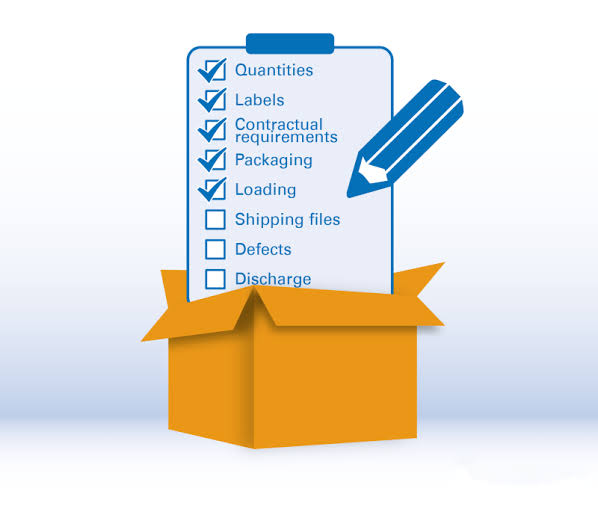
Your supplier/agent may be able to send photos if it’s a very small order, otherwise a third-party inspection service should be used for all orders. This inspection covers all aspects of the products-dimensions, appearance, color, material, weight, functions, packing, labeling, barcodes and number of defects. For certain types of products (electronics, toys, batteries, beauty items, anything food-contact) they should also provide a compliance certificate and laboratory testing results. Let suppliers know their payment depends on passing this inspection.
Shipping and Customs
There are different options for shipping, depending on your budget, volume of goods, and how urgently you need them. Choose between express couriers (fastest and most expensive), air freight (still fast but less than express) and sea freight (slowest and cheapest for large bulk orders). DDP is a form of door-to-door delivery. When you plan your shipping, be aware of the product dimensions, total weights code, what duties and taxes are applicable and which party is responsible for the customs clearance. Volumetric weight can be a costly hidden charge-bulky but light items may cost more for shipping space than their actual weight.
Scams and Warning Signs
Be very wary if you see prices too good to be true, if a supplier refuses to let you see samples, insists on full payment up front, you can’t verify their bank account name matches their company, if there’s pressure to pay instantly, or if they use obviously stolen pictures from brand-name sites, cannot answer detailed product questions or refuse 3rd party inspections. If you are asked to produce products that clearly look like famous branded items, walk away – these are fakes, will likely be stopped at customs, and will lead to legal issues.
Do You Need a Sourcing Agent?
A sourcing agent is particularly useful if you are dealing with the 1688 marketplace in China, are having trouble finding specific suppliers, if language is a barrier, or if you require consolidating many suppliers into one shipment or require QC and shipping coordination. Check an agent thoroughly – ask about their fee structure, how they perform inspections and how they handle disputes. A good agent will be open and honest about their services.
Test the Waters and Grow
The most sensible approach is to do a trial order to test the product and supplier. Do your research, contact various suppliers and compare prices and how well they answer questions, then place a small test order. Only place a large order once you have proven to the supplier that you can sell the product at a profit.
In Conclusion
The safest way to source wholesale goods from China is to follow a process where you verify before you pay, sample before you commit, inspect before you ship and look at the full landed cost before deciding. If you are methodical about it, China can be a very lucrative opportunity for your business.