


Summary of this article:When it comes to packaging glass is really something. It is not a container but it also says a lot about the brand. For example when you buy cosmetics or skincare products, food or drinks, candles or fancy gifts the glass packaging makes you feel like the product is quality and safe. This is something that plastic packaging cannot do. You can find glass bottles and jars in China. They have all sorts of things like glass jars, brown bottles, bottles with droppers, perfume bottles, candle holders, food jars, drink bottles, small containers, spice jars and special packaging that is made for you. What makes sourcing glass packaging different from types of packaging is that it is fragile, heavy and needs to be exactly the right size. It also needs to work with the product. If the price of the bottles is low but they break easily or the caps do not fit or the product inside reacts with the coating or the packaging gets damaged during shipping then it is not a deal. Every part of the packaging including the glass, the lid, the decoration, the inner packaging and the box it ships in needs to work. This guide will show you how to make sure that happens.
What You Can Source
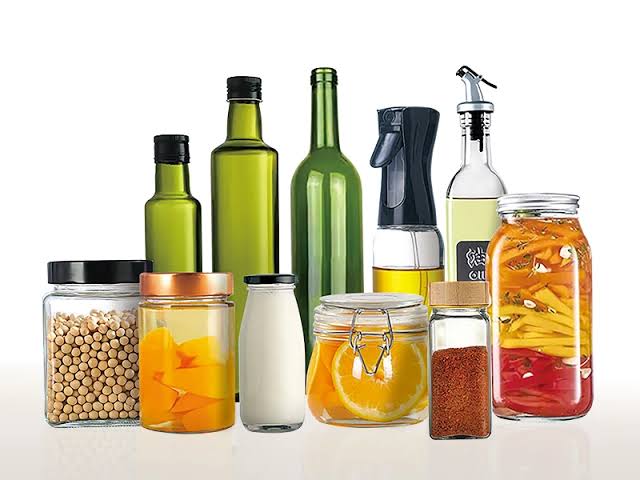
You can source glass packaging like cream jars, lotion bottles, serum bottles, dropper bottles, foundation bottles, perfume bottles, toner bottles, roll-on bottles and sample vials. The main things to think about are how it looks the quality of the decoration whether the pump or dropper works well whether it leaks and whether it works with the formula.
You can also source food glass packaging like sauce bottles, honey jars, jam jars, spice jars, milk bottles, beverage bottles, olive oil bottles, vinegar bottles, storage jars and canning jars. The main things to think about are whether it is safe for food whether the seal works well whether the size is right whether it can handle heat and whether the lid is good.
Candle jars are another thing you can source. They come in shapes and sizes like straight-sided jars, round jars, colored glass, amber, frosted and luxury vessels with wooden or metal lids. The main things to think about are whether it can handle heat, how thick the glass how the surface is finished whether the decoration will last and whether the carton will protect it.
You can also source oil and fragrance bottles in different formats like amber, cobalt blue, clear, roll-on, dropper, spray and diffuser. The main things to think about are the size of the neck whether the cap fits, whether it leaks, whether it protects from UV light and whether it works with the oils or alcohol-based formulas.
Beverage bottles are another thing you can source. They come in formats like juice, milk, soda, wine-style swing-top and custom drink formats. The main things to think about are whether it can handle pressure whether the seal works well whether it works with the filling line and whether it meets food safety standards.
Glass storage jars are also available. They come in shapes and sizes like kitchen jars, spice jars, airtight containers, mason-style jars and decorative jars. The main things to think about are whether the lid seals whether the glass is clear whether the rim is finished accurately and whether the size is consistent.
If you are just starting out it is best to start with glass jars, candle jars, spice jars, food jars and simple cosmetic bottles that use existing molds. Custom perfume bottles, beverage bottles, specialized closure systems and end decorated glass packaging require more technical control.
Where Glass Packaging Is Made
Shandong is a region for glass bottles and jars especially for food jars, beverage bottles and industrial glass packaging. Many suppliers here produce quantities.
Jiangsu is another region. Xuzhou is well known for glass bottle production, including food bottles, cosmetic bottles, fragrance bottles and custom glass packaging.
Hebei has suppliers for bottles, jars, vials and packaging materials. They often produce in bulk. Offer cost-effective prices.
Guangdong is the place to go for packaging, perfume bottles, beauty packaging, decoration work, caps, pumps and export-oriented packaging solutions. If you are looking for cosmetic glass packaging you should look at suppliers in Guangzhou, Shenzhen, Dongguan and nearby areas. They are more familiar with brand requirements and higher decoration standards.
Zhejiang handles packaging, caps, lids, sprayers, droppers, labels and packaging accessories. Yiwu is a place to find low-MOQ packaging accessories and smaller glass packaging orders.
The practical thing to do is to look for food jars in Shandong or Jiangsu decorated bottles in Guangdong or Zhejiang and bulk commodity glass in Shandong or Hebei.
Factory, Trading Company or Sourcing Agent?
If you need a lot of glass packaging it is best to work with a factory. You will have control over the production process and you can get custom molds and repeat orders. However factories often have minimum order quantities and they may not offer decoration or accessory sourcing in-house.
Trading companies are useful when you need a packaging set. For example if you are a skincare brand and you need glass bottles, droppers, pumps, labels, paper boxes and shipping cartons a trading company can coordinate everything for you.
Sourcing agents help buyers compare suppliers, coordinate samples verify closure compatibility inspect goods, arrange decoration, source packaging and consolidate shipments. They are especially useful for mid-sized buyers who do not have a team in China.
Defining Specifications
A picture of a bottle is not a specification. Glass packaging requires dimensions and there are many variables that determine whether the packaging works well. These variables are often invisible in supplier images.
When sourcing glass bottles you need to specify the capacity, overflow capacity, height, diameter, weight, neck finish, mouth diameter, cap type, wall thickness, color, decoration method and packaging method.
When sourcing glass jars you need to specify the capacity, opening size, lid type, thread design, glass thickness, base thickness, weight, sealing method, surface finish and carton packing.
When sourcing bottles you need to specify the closure type, neck size and closure compatibility. You also need to confirm the compatibility with the closure being used.
When sourcing food jars you need to specify the lid material sealing liner type, airtight performance standard, pasteurization or hot-fill requirements food-contact documentation and labeling area dimensions.
When sourcing candle jars you need to specify the glass thickness, heat resistance rating, jar weight, inner diameter, wax capacity, surface decoration, lid fit and heat-related testing requirements.
When sourcing decorated glass you need to specify the decoration method, including artwork files, Pantone color references, logo placement and decoration tolerance.
A complete specification sheet includes drawings, dimensions, capacity, material, color, surface treatment, closure details, packaging method, testing requirements, labeling and acceptable tolerances. The drawing is important because suppliers who quote from a photo and a description can deliver bottles with the general shape but wrong neck finish, wrong capacity or incompatible thread.
Materials, Colors, Closures and Decoration
Glass colors available include clear amber, green, blue, black, white, frosted and custom sprayed colors. Clear glass is good for food, candles and cosmetics where product visibility's important. Amber glass is standard for oils certain skincare products and light-sensitive formulas because it protects from UV light.
Closures include screw caps, metal lids, plastic caps, corks, droppers, pumps, sprayers, roll-on heads, wooden lids, aluminum caps and child-resistant caps. The closure needs to be compatible with the bottle. It needs to work well. A beautiful glass bottle with a cap that leaks or does not fit's useless.
Decoration options include silk-screen printing, hot stamping, frosting, color spraying, labeling, embossing, debossing, electroplating, matte coating, glossy coating and UV printing. Each decoration method has costs, minimum quantities, durability characteristics and visual effects. For premium packaging you need to test the decoration durability because poor process quality can cause printed logos to scratch, sprayed colors to chip labels to peel and hot stamping to fade.
Compliance, Food Contact and Product Compatibility
When it comes to food packaging you need to confirm that all materials, including the glass body, lid materials, liners, coatings, inks and sealing materials are suitable for food contact. You also need to consider hot-fill requirements, pasteurization compatibility and long-term storage.
When it comes to cosmetics and skincare packaging compatibility with the formula is critical. You cannot assume compatibility from material data sheets alone. You need to test the formula in the final packaging set before approving production.
When it comes to oils and fragrance, leakage and chemical compatibility are primary concerns. You need to test the packaging with the product to ensure that it does not leak or react with the packaging materials.
When it comes to candle jars, heat resistance and thermal shock tolerance are important. The jar needs to be suitable for candle use under burning conditions, not decorative storage.
When it comes to beverage bottles you need to verify the filling method, pressure requirements sealing method, cap compatibility and product-specific safety requirements for the filling process.
Do not accept supplier claims of food grade, cosmetic grade or heat resistant without documentation. Test samples with your product under realistic conditions, before committing to production.
MOQ, Mold Costs, Pricing and True Cost
When you are looking for bottles and jars with existing molds you will typically find that they have the lowest MOQs and the fastest development timelines. However if you want custom glass molds you need to be prepared to make an upfront investment and you will have to deal with higher minimum quantities and longer development cycles. Custom glass molds are worth it when the design differentiation justifies the commitment. They should not be your default choice.
If you want custom color spraying, frosting, printing, hot stamping or special closure work this will increase the MOQ further. This is because of the machine setup, ink preparation, color matching and labor minimums at decoration factories. The price of glass bottles and jars reflects the weight of the glass the complexity of the shape the cost of the mold the production method, the defect rate, the decoration the accessories, the packaging and the order quantity.
The important thing to calculate is the full landed cost, not just the price of the bottle. The total cost includes sample fees, mold fees, the cost of the glass body the cost of the cap the cost of the pump or dropper the cost of decoration the cost of labels the cost of packaging the cost of export cartons, inspection costs, domestic transport costs, international freight costs, duties, taxes, estimated breakage loss, warehousing costs and replacement costs. Glass is heavy and fragile. These facts cost money at every step of the supply chain. A low unit price that comes with high weight, weak packaging or poor mold accuracy is usually not actually cheap.
A higher unit price with better sealing, stronger packaging and accurate dimensions is frequently the more profitable choice when you factor in breakage rates compatibility failures and decoration defects.
Quality Control
There are common glass defects, including bubbles, cracks, stones, scratches, uneven walls, deformation, sharp edges, rough rims, black spots, color variation, unstable bases and inaccurate capacity. Many of these defects are only detectable through inspection and they do not appear in factory photos.
When it comes to bottles you need to check the height, diameter, weight, neck finish, mouth diameter, thread accuracy, capacity, cap fit and leakage. For jars you need to check the opening dimensions, lid fit, sealing performance, rim smoothness, glass thickness, base stability and overall appearance. For decorated glass you need to check the logo position, color consistency, printing clarity, coating adhesion, surface scratches, dust inclusion, staining and decoration surface defects.
Closures, pumps, droppers, sprayers and caps need to be checked for assembly accuracy, leakage, function, dip tube length spray effect, dropper suction strength, pump output volume and closure tightness. For food and cosmetic packaging cleanliness is an inspection point. You need to check for dust, oil marks, glass particles, odor or packaging contamination as these can create problems for products that contact food or skin.
You should approve a sample before production and AQL inspection on bulk orders is standard. For high-risk products, such as those involving food, cosmetics or high-value decoration leakage tests, drop tests, torque tests and compatibility tests should be part of the approval process.
Packaging and Breakage Prevention
Glass products that leave the factory in condition can still arrive broken because of weak carton design, insufficient inner protection, rough handling at consolidation, sea shipping vibration, warehouse movement or last-mile delivery. Strong packaging is not optional in this category.
There are common protective options, including paper dividers, foam inserts, molded pulp trays, bubble bags, air column bags, inner boxes, honeycomb board, corner protectors, double-wall cartons, pallets and shrink wrapping. The right combination depends on the glass weight, shape, decoration type and shipping channel.
For e-commerce parcel delivery packaging needs to be substantially stronger than bulk export packaging as drops, compression and rough handling in courier networks create different stress conditions than pallet shipping in containers. You should test packaging with the bottle, cap and outer carton together not just the glass body in isolation.
Even a 3–5% breakage rate is significant when products are heavy, decorated or positioned as premium packaging. The cost of damaged glass, replacement shipments and delayed launches adds up fast.
Shipping and Logistics
Glass is heavy fragile and takes up container space efficiently than most other packaging materials. Logistics planning needs to happen before order confirmation not after. Before ordering you should request unit weight, unit dimensions, inner box size, carton quantity and dimensions gross and net weight pallet information and container loading quantity.
For sample orders express shipping is convenient but expensive per kilogram of glass. For orders sea freight is usually more cost-effective. If glass packaging is being sourced separately from the filling factory you need to coordinate the timelines. Delayed bottles or caps can delay a product launch and that kind of downstream cost is rarely visible when the glass order is being placed.
For cosmetics and food brands producing in China shipping glass packaging to the filling factory before export eliminates one handling step and reduces damage risk. For packaging orders consolidation in China allows everything to be collected, inspected and shipped together as a single consignment.
Storage deserves mention: decorated glass packaging can be damaged if cartons are stacked incorrectly or stored in conditions. This applies at the supplier’s warehouse and at destination.
Common Risks
There are common risks when it comes to glass packaging. Breakage is one of them. It can be caused by weak packaging, poor carton design, rough handling or thin glass. You should test packaging under shipping conditions with the actual product inside.
Leakage is another risk. It can be caused by poor neck finish, wrong cap, weak liner, bad pump or incompatible closure. You should test the packaging set, including the glass body, closure, liner and fill before production approval.
Wrong capacity is also a risk. It can occur when the nominal capacity and actual fill capacity differ. You should confirm which capacity you need explicitly.
Decoration defects are another risk. They can be caused by inconsistent spraying, printing, frosting or hot stamping. You should define tolerances and approve against printed samples, not digital mockups.
Compatibility failure is also a risk. It can occur when oils, alcohol, acids, cosmetics or hot-fill foods react with caps, liners, coatings or labels. You should test the product in the final packaging set.
High shipping cost is also a risk. It can be caused by the weight of the glass. You should calculate the landed cost before production not after.
Mismatched accessories are another risk. They can occur when caps, pumps, droppers, labels and boxes come from different suppliers. You should confirm the visual consistency of the accessories as a set, not component by component.
A Practical Sourcing Process
To source glass packaging effectively you should follow a process. First you should define the product application. A candle jar, perfume bottle, honey jar, sauce bottle skincare serum bottle and beverage bottle each have specifications, compliance requirements and closure systems.
You should use a mold whenever the design allows. Standard molds reduce cost, MOQ and development time. Custom molds are worth the investment when the design advantage is clear and the volume justifies it.
You should prepare a specification sheet covering capacity, dimensions, weight, neck finish, color, closure type, decoration, packaging, testing and compliance requirements.
You should request samples from suppliers and test them for appearance, weight, capacity accuracy, cap fit, leakage, decoration quality, packaging strength and real product compatibility.
You should test the samples with your product filling the bottle or jar with the real formula, food, oil, wax or liquid. You should check for leakage, odor, discoloration, sealing integrity and usability over time not the initial fill.
You should calculate the landed cost, including glass weight, carton dimensions, estimated breakage rate, freight, duties, storage, replacement costs and packaging.
You should confirm the artwork and decoration details using logo files Pantone color references, position drawings and approved physical samples before any bulk printing or decoration run.
You should place a trial order first to test the supplier’s reliability, quality consistency, packaging strength and logistics performance at a scale.
You should inspect the products before shipment as defective or broken glass packaging that arrives overseas can mean replacement costs, delayed launches and supplier disputes that're expensive to resolve from a distance.
You should review the filling and logistics feedback, including breakage rates, leakage rates, filling-line compatibility, customer reviews and shipping performance to identify areas for improvement.
Final Thoughts
Glass bottles and jars from China have benefits, including a range of products established production capabilities and flexible customization options. You can also access packaging supply chains, including glass containers, closures, decoration and protective packaging.
However this category requires planning. Glass is fragile, heavy and precise in terms of dimensions. It also reacts with products, which means every part of the packaging set needs to be specified tested and verified before production begins. If not done properly issues like breakage, leakage, compatibility problems and decoration defects can occur.
To start you should use molds when possible. Examples include candle jars, food jars, spice jars and standard cosmetic bottles. These products are more forgiving when building relationships, with suppliers and learning the requirements of this category. Once you have a foundation you can move on to custom perfume bottles, beverage bottles, end decorated packaging and specialized closure systems.
When you are looking for packaging remember that the cheapest one is not always the choice. You should focus on making a packaging supply chain. This supply chain should be based on the size of the packaging whether it works with things the decoration is consistent and the packaging is protective. By doing this you can get value for your money. This way you can make sure that your packaging is what you need and it works well with your products. For example you can use glass bottles and jars. These are an option and if you plan carefully you can get the best results, from using glass bottles and jars for your packaging.