Basic Regulations Applicable to All Importers
Customs Act
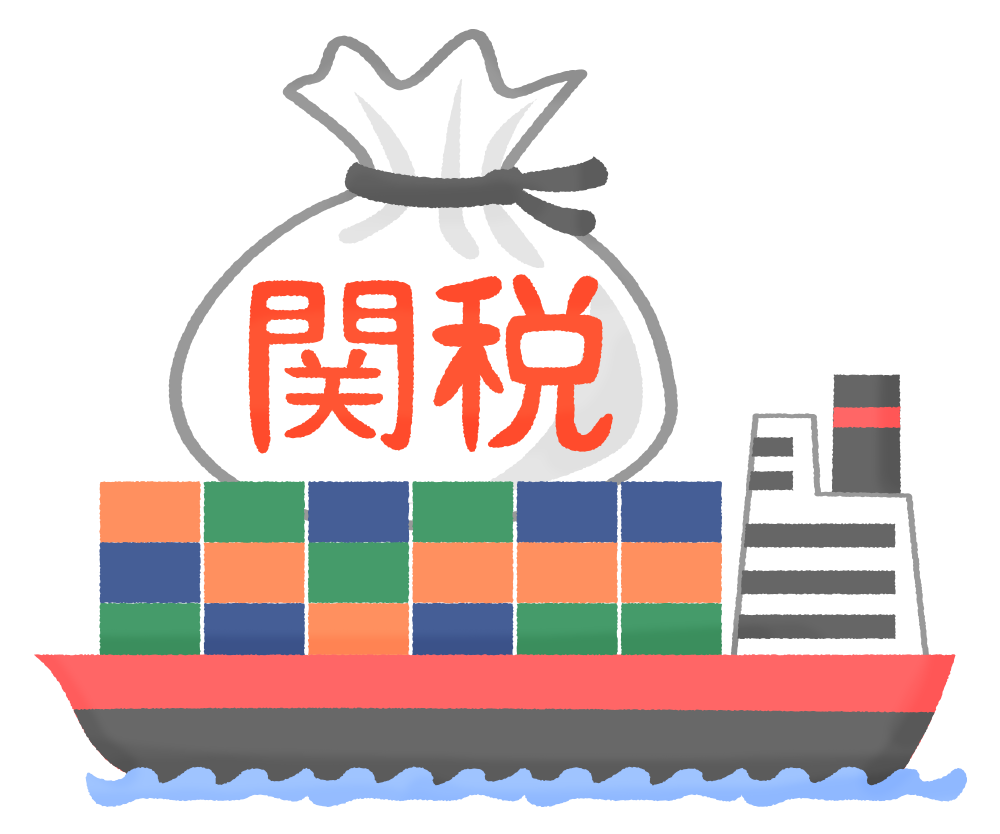
The Customs Act is the most fundamental law that applies to all commercial imports.
There are no exceptions when sourcing from China.
The main points to note are as follows:
・Declaring prices that differ from the actual transaction
・False declarations regarding quantity, item, or intended use
・Incorrect HS codes
・Undeclared import of prohibited or restricted items
The key point here is not whether the value was “declared at a lower price,” but whether it “matches the actual nature of the transaction.”
For example,
・Mold costs
・Royalties
・Design fees
If these are deemed to be part of the transaction with the product price,
they may be added to the taxable value.
Even if unintentional, the fact that this may result in amended tax returns or additional tax assessments is a critically important point in practice.
Foreign Exchange and Foreign Trade Act
The Foreign Exchange and Foreign Trade Act is not a law that uniformly regulates all goods.
However, goods such as those listed below may be subject to regulation depending on their intended use, performance, and technical level.
・Specific wireless communication devices
・Equipment with advanced encryption capabilities
・Components and materials with potential for military use
While many consumer goods can generally be imported without issue,
it is dangerous to assume that “anyone can import them freely.”
If you have even the slightest doubt, it is essential to verify the intended use and specifications before importing.
Legal Regulations to Pay Particular Attention to by Product Category
Electrical and Electronic Products | Electrical Appliance and Material Safety Act (PSE)
Examples of Covered Products
・Power banks
・Power adapters
・LED lighting
・Various household appliances
A particularly important point regarding PSE is that the scope of regulation covers "sales and transfers within Japan."
Products cannot be sold in Japan under the following conditions:
・The PSE mark is not displayed
・The notifying entity is not registered in Japan
This is particularly true for OEM and ODM products,
・The manufacturer claims the product is “PSE-compliant”
・Another company is already selling the product
It is extremely risky to make a decision based solely on these reasons.
Products can only be sold once all requirements regarding the Japanese entity, labeling, and notification have been met.
Apparel & Textile Products | Household Goods Quality Labeling Act
Scope
・Clothing
・Towels
・Bedding
・Textile products such as bags
Labeling Requirements
・Fiber content
・Care labels
・Country of origin
The most common violations involving products sourced from China are deficiencies in care labels and labeling information.
On e-commerce sites and Amazon FBA,
・Missing labels
・Labeling that differs from Japanese standards
These issues alone can lead to sales suspensions or requests for corrective action.
Miscellaneous Goods & Daily Necessities | Consumer Product Safety Act
This law does not uniformly regulate all general merchandise.
It applies to:
・Specified products
・Products that pose a risk of causing serious product accidents
However, in practice, what is particularly important is
the fact that, in the event of an accident, importers bear the same liability as manufacturers.
The cheaper the miscellaneous goods or children’s products, the heavier the liability tends to be in the event of an accident.
Food and Food-Related Products | Food Sanitation Act
Scope
・Food
・Food containers and packaging
・Tableware and cutlery
・Silicone products, etc.
Important Notes
・Even if you do not intend to “sell them as food,”
・Depending on the labeling, shape, or intended use, the product may be subject to regulations
If importing for resale, it is essential to verify the ingredients, materials, and intended use in advance.
Common examples of violations related to labeling and signage
When importing goods into Japan, this is the aspect that tends to be overlooked the most,
are actually the issues related to labeling and product information.
The most common violations are as follows:
・Lack of Japanese text or insufficient Japanese text
・Omission of mandatory labeling items required by law
・False or misleading country-of-origin labeling
・Exaggerated claims that overly emphasize effects or performance
These issues are not only subject to customs inspections at the time of import,
but are also frequently identified after sales have begun.
In fact,
・Corrective guidance from regulatory authorities
・Requests for product recalls
・Suspension of sales on e-commerce platforms
may be required.
It’s easy to think, “I can just fix the labeling later,” but
it is important to note that if issues are discovered after sales have begun, it will impact your time, costs, and reputation.
Why “I didn’t know” isn’t an excuse
Under Japan’s legal system, importers are generally considered to bear the same level of responsibility as manufacturers.
In other words,
・Manufacturing errors on the part of the factory
・Insufficient explanations from suppliers
・Errors in translation or labeling
the ultimate responsibility lies with the Japanese importer.
Reasons such as “The factory said so” or “I left it to the agent or supplier”
do not constitute legal grounds for exemption from liability.
Therefore, for imports into Japan, it is essential to verify legal regulations before purchasing or placing orders
and establishing a system to prevent problems before they arise is essential.
Why are pre-import inspections important?
Many of the problems that actually occur
・could have been prevented if checked before placing the order
・Could have been corrected at the sample stage
・Could have been sold simply by correcting the labeling
.
In other words, it can be said that most of these issues could have been avoided before importation, not after.
To reduce these risks, before purchasing or placing an order,
・Verify legal regulations for each product category
・Pre-checking the content of labels and product descriptions
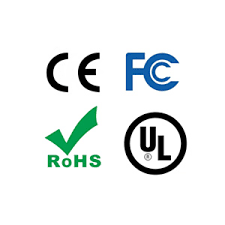
• Assessing compliance with various certifications, including PSE
• Organizing inspection and correction procedures in accordance with Japanese standards
.
At HubBuyer, we handle all of these tasks collectively before importation,
we have established a system to minimize the risk of purchasing products that cannot be sold in Japan.
Summary | Compliance with Laws and Regulations Is Not a "Cost" but a "Prerequisite"
Compliance with legal regulations for imports into Japan is not something to be avoided, but rather a prerequisite that should be built in from the start.
The key is not merely to avoid violations, but to establish a system that prevents them.
Conducting checks before purchasing or placing orders
is the surest way to prevent problems before they arise and ensure a stable, long-term import business.
Because “I didn’t know” is no excuse when it comes to importing into Japan,
your initial decision determines everything.
For sourcing from China or Alibaba, leave it to HubBuyer.