

Summary of this article:One of the quickest ways to start an online store is to use dropshipping, which doesn't require you to buy inventory ahead of time. But it's also one of the models that people get wrong most of the time. A lot of people who are new to dropshipping think it's "easy money," but experienced sellers know that it's a business model and that success depends on choosing the right products, working with reliable suppliers, giving customers a good experience and running the business well. This guide tells you what dropshipping is, how it works, the real pros and cons, the usual costs, how to find suppliers, how to lower risks and how to grow your business in a way that is good for the environment.
What is dropshipping?
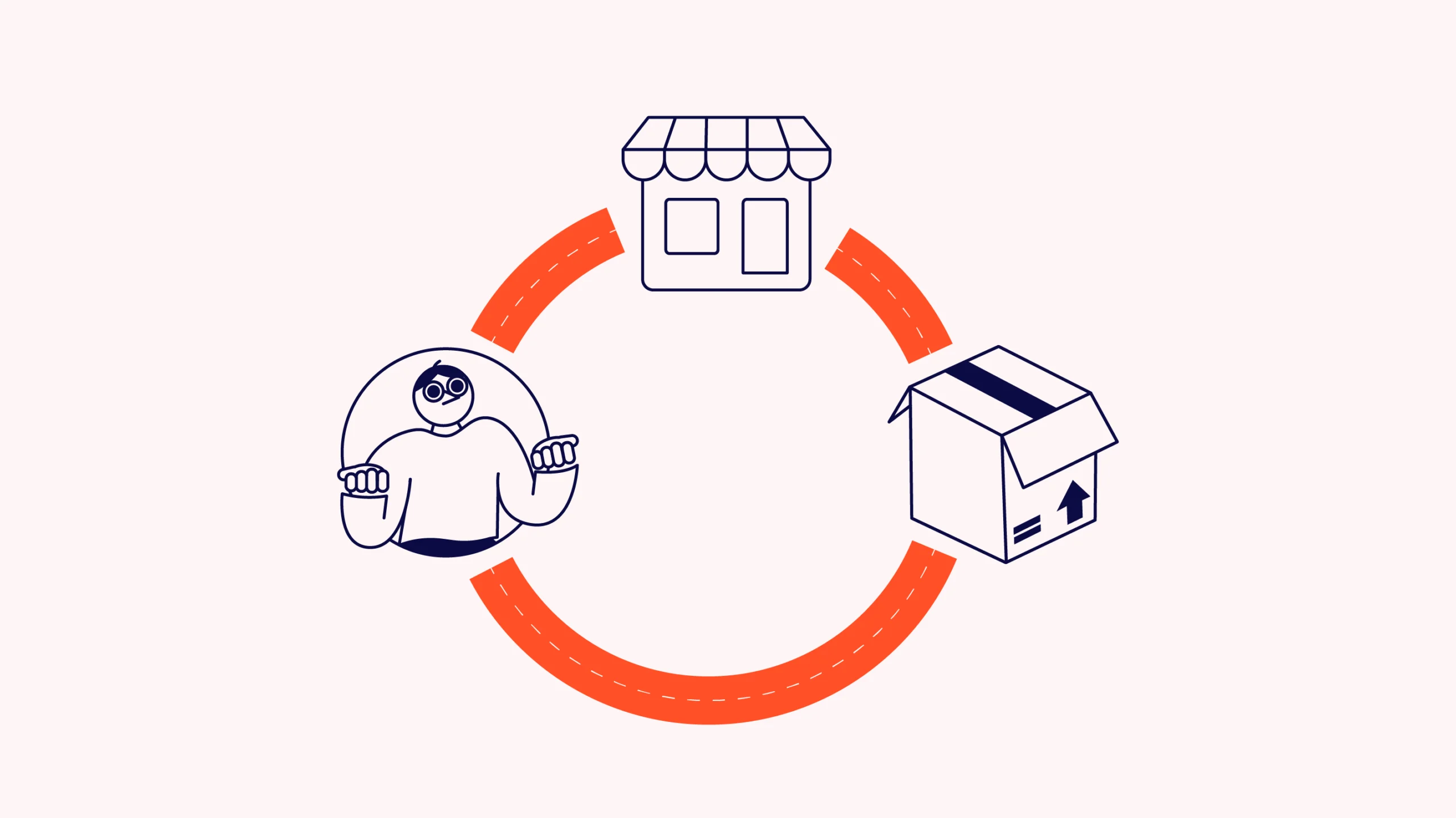
With dropshipping, you sell things online but don't keep any stock. When someone buys something from your store, you buy it from a supplier and have them send it directly to the customer.
So, your main job is:
●choosing a product
●running the store and marketing
●helping customers
●Managing suppliers
The job of the supplier is:
●keeping track of stock
●choosing/packing
●sending and shipping
The difference between what you sell and what you pay your supplier (including shipping and fees) is your profit.
How to Dropship: A Step-by-Step Guide
1. You put items for sale in your store (Shopify, WooCommerce, TikTok Shop, etc.)
2. A customer places an order and pays you the full price
3. You send the order to your supplier, either by hand or through an app or system.
4. The supplier packs the item and sends it to your customer.
5. You offer tracking and help to customers
6. You keep the profit margin after costs.
Important point: Dropshipping does not mean "no work." There is "no inventory upfront."
Dropshipping vs. Traditional E-commerce (Inventory Model)
| Model | Inventory | Upfront Cost | Delivery Speed | Control |
| Dropshipping | No | Lower | Often slower | Lower |
| Traditional (Bulk) | Yes | Higher | Faster | Higher |
| Hybrid (best for scaling) | Partial | Medium | Medium/Fast | Medium/High |
Many successful brands start with dropshipping to test products, then shift to bulk orders for best-sellers.
Benefits of Dropshipping
1、 Low cost to start
You don't have to buy stock ahead of time. You can try out products with less risk.
2、 A wide range of products
You can list a lot of SKUs and see what sells before you buy them.
3、Location that can change
You can run it from anywhere as long as you can handle ads, suppliers, and customer service.
4、 Simple to test markets
Great for learning what kinds of people buy, what prices work, and what creative ideas get people to buy.
Drawbacks (Real Problems That Most Newbies Don't See)
1、 Low profit margins, especially for "common" goods
When everyone sells the same thing, you have to compete on price, which makes ads expensive.
2、 Problems with shipping speed and tracking
Customers ask for refunds, chargebacks and low store ratings when shipping takes too long.
3、 Quality that isn't always the same
You might hear complaints like "not like the pictures" or "arrived broken."
4、 Problems with the supplier's stock
Things run out of stock, prices go up or down, or suppliers change materials without letting you know.
5、 Harder to control the customer experience
You have to work harder to protect your brand because you don't have control over packing, returns, or delivery.
Is it still worth it to dropship?
Yes, but only if you run it like a real business.
Dropshipping works best when you:
●make sure to sell products that solve problems, not just random trendy things
●create content and trust in your brand (TikTok, Reels, YouTube Shorts, UGC)
●Pick suppliers who can always deliver high quality.
●have realistic expectations about shipping and customer service
●when you find winners, switch to bulk fulfillment
When you do the following, dropshipping gets hard:
●sell the same "viral product" as everyone else
●only use paid ads without good creative work
●don't worry about shipping times or the refund policy
●work with suppliers you can't trust
How to Pick Items for Dropshipping (Useful Tips)
Most good dropshipping products have at least one of the following:
Solving problems and showing "wow"
It's easy to show the product in a short video and customers get the value right away.
Not easy to find in stores near you
If customers can buy it quickly nearby, shipping delays will hurt your sales.
Little risk of return
Stay away from things that are hard to size or fit (like fashion without sizing control), break easily or have complicated electronics.
Good margin
You still need a margin after paying for the product, shipping and fees to cover marketing and refunds.
A good rule of thumb for setting a simple margin target is to aim for a markup of 2.5 to 4 times if your shipping is slow or you get a lot of returns.
How to Find Dropshipping Suppliers
Some common routes are:
1、 Platforms and directories for dropshipping
● apps that work with both Shopify and WooCommerce
●simple to get started but there is often more competition
2、 Suppliers from China (most common)
●A lot of choices and low prices
●must handle quality control, shipping plans and the dependability of suppliers
3、 Suppliers in the US, EU and SEA
●faster delivery, more expensive
●great for high-end positioning
4、 Private sourcing agents (recommended when scaling)
A sourcing agent can help if you're doing a lot of business:
●get better prices from factories
●make sure the quality is always the same
●combine shipments
● come up with faster ways to ship
●help with custom branding and packaging
This is the step that usually makes "beginner dropshipping" a stable business.
What Beginners Need to Know About Shipping Methods
Shipping is the most important part of the customer experience in dropshipping.
Some common choices are:
●Express courier (DHL, UPS, FedEx): the fastest, most expensive, and best for expensive items
●Airline or air cargo: good for shipments of medium size
●Sea freight is the cheapest way to ship a lot of things, but not for pure dropshipping.
●Special lines (DDP routes): common for e-commerce; includes customs handling in many cases
Tip: A lot of sellers start with "ship from supplier" and then switch to a China warehouse consolidation model, which makes things better:
●correctness
●packaging
●how fast the shipping is
●brand name
Costs You Should Expect (Not Just the Cost of the Product)
A realistic dropshipping cost structure has the following:
●cost of the product
●cost of shipping
●Fees for payments (PayPal/Stripe)
●cost of the platform (Shopify/apps)
●cost of advertising on TikTok, Meta, and Google
●refunds and chargebacks
●cost of customer support
●cost of quality issues (sending out replacements)
You'll lose money if your prices only cover the product and shipping.
How to Lower Chargebacks and Refunds
"Bad ads" hurt dropshipping stores less than refunds do. Do these:
1. Send clear messages about delivery times
2. Include shipping estimates on the product page, the checkout page, and the confirmation email.Give updates on tracking
3. Customers get scared when there isn't any tracking movement.Be honest when you write about your products
4. If the pictures are misleading, returns will go through the roof.Check the best-selling items for quality
5. After a product sells, try out different suppliers or add quality control steps.Have a clear
policy for refunds.
A clear policy lowers the risk of payment processing problems and disagreements.
Best Ways to Grow Your Dropshipping Business
Step 1: Test quickly and fail cheaply
●test a lot of creatives and audiences
●make the store easy to use
●learn what makes conversions happen
Step 2: Make sure suppliers are stable
●stop changing suppliers every day
●get better terms through negotiation
●have backup suppliers
Step 3: Improve operations (the point of no return)
●work with a partner for sourcing and fulfillment
●do quality control and consolidation
●make shipping routes better
●Add custom packaging to promote your brand
Stage 4: Build a brand
(this is the most valuable thing in the long run)
●make a list of customers' email and phone numbers
●make a plan for repeat purchases
●make unique SKUs or OEM versions
● make the unboxing experience better
Mistakes that happen a lot when dropshipping
●choosing things just because "it's trending"
●not paying attention to customer service and the process for getting a refund
●not figuring out the total cost of landing
●copying ads from competitors instead of making better ones
●putting all your eggs in one basket with one supplier
●putting ads on a bigger scale before fixing problems with fulfillment
Frequently Asked Questions about Dropshipping
Q1: Is it legal to dropship?
Yes, but you have to follow the rules for consumer protection, shipping, and taxes in your country.
Q2: Do I need to set up a business?
It depends on where you live and how much money you make. A lot of people start small and then register when they get bigger.
Q3: Is it possible to dropship from China to Amazon FBA?
Amazon usually expects sellers to keep track of their stock and follow strict rules for shipping and packaging. Instead, a lot of sellers use China prep and bulk shipment to FBA.
Q4: Will dropshipping be dead in 2026?
Not dead; just harder. Stores that are easy to use go out of business quickly. Strong stores win by controlling their supply chains, building their brands, and making good content.
Final Thoughts
Dropshipping is a great way to start an online store but it won't be stable until you treat it like a business that sells goods and provides customer service, not just a way to market.