


Summary of this article:E-sourcing or electronic sourcing, is the process of using digital tools and platforms to find suppliers, send out RFQs, negotiate contracts, compare bids and keep track of supplier performance. This is more efficient and gives you more control than manual, spreadsheet-based procurement. For e-commerce sellers, retailers and importers who have to deal with a lot of different SKUs and suppliers, an e-sourcing strategy can mean the difference between "constant chaos" and a supply chain that can grow. This article talks about e-sourcing, why it's important, the most common e-sourcing models, and a useful framework you can use to create a modern e-sourcing strategy.
What does "E-Sourcing" mean?
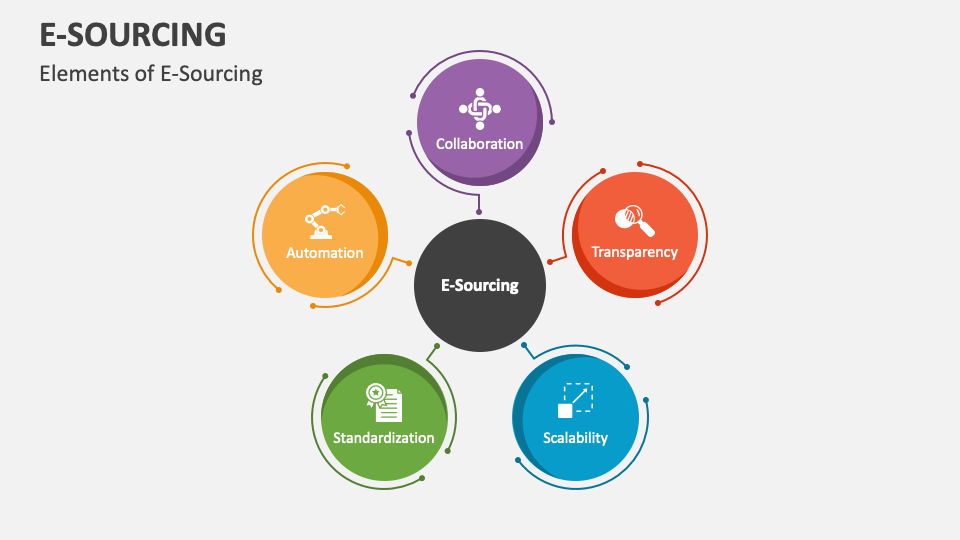
E-sourcing is a way to buy things that uses the internet to do things like:
●Finding and qualifying suppliers.
●Managing RFQs and RFPs (requests for quotes and proposals).
●Bidding and comparing quotes online.
●Steps for negotiating and getting approval.
●keeping track of contracts and documents.
●keeping an eye on supplier performance and risks.
In short, e-sourcing is the "digital engine" that makes a sourcing process work over and over again.
Why E-Sourcing is Important (Especially for Buyers with Many SKUs)
If you get supplies from more than one supplier, you probably have to deal with:
●Quotes all over the place in chats, emails, and spreadsheets.
●Different ways of writing quotes that are hard to compare.
●Missing information about the specs and packaging.
●Unclear "latest version" of prices and lead times.
●Mistakes and confusion when reordering.
●No clear record of how well suppliers are doing.
E-sourcing solves these problems by making:
●A single place to find specs, quotes, and decisions..
● Standardized RFQ forms.
●Clear comparison of suppliers (apples to apples).
●Logs of approvals and communications that can be traced.
● Structured supplier scorecards over time.
Benefits of an E-Sourcing Strategy
1、 Better control over costs (total landed cost)
E-sourcing helps you compare more than just unit price:
●Costs of packaging.
●Cost drivers for logistics (size and weight of cartons).
●Minimum order quantities and price breaks.
●Lead times and capacity during busy times.
2、 Choosing a supplier faster
Standardized RFQs cut down on back-and-forth and speed up the evaluation process.
3、 Better consistency in quality
It's easier to do the following when specs and documents are all in one place:
●Set standards for packaging and materials.
●Make sure QC rules are followed.
●Fix "sample good, bulk bad" problems.
4、 Lowering risks and following the rules
You can keep track of the history of issues, certifications, audits and qualifications for suppliers.
5、 Ability to grow
A digital system keeps things from getting out of hand when the number of SKUs goes up.
Choose the E-Sourcing Model That Works Best for You
Model A: E-sourcing based on a marketplace
Using B2B platforms to find and compare suppliers.
Best for: finding new products and quickly exploring new categories.
Risk: suppliers may not always be reliable without checking.
Model B: E-sourcing based on RFQs
You make standard RFQs and ask suppliers to quote in the same way.
Best for: sellers who want to grow beyond a few SKUs, including importers and retailers.
Risk: you can compare apples to apples.
Model C: E-Sourcing for a Strategic Supplier Network
You create a pool of qualified suppliers and do regular rounds of re-sourcing, cost-cutting, and performance reviews.
Best for: brands and businesses that get repeat orders.
The 8-Step Framework for E-Sourcing Strategy
Step 1: Set priorities and categories for sourcing
Put your spending into groups:
●Best-selling items / core SKUs.
●SKUs for seasonal items or trends.
●Products that are fragile, regulated, and have a high return rate.
This helps you figure out where you need to really know your stuff and where you can move quickly.
Step 2: Make Your RFQ Template the Same (The Base)
A good RFQ template should have:
●Product specifications, such as materials, sizes and tolerances.
●Minimum order quantity (MOQ) and how often you expect to get orders.
●Requirements for packaging (strength of the carton, labels, inserts).
●Rules for compliance (rules for the destination market).
●Needed lead time and production capacity.
●QC needs (level of inspection, photos, rules for defects).
●Format of the quote (unit price, tools, packaging and shipping terms).
Goal: make quotes easier to compare and cut down on confusion.
Step 3: Make a database of suppliers that is the "source of truth" for everyone.
Your e-sourcing system should keep:
●Profile of the supplier (factory or trader, location, and category strengths).
● Logs of communication and history of quotes.
●Licenses, certifications, and audit results.
● Price levels and minimum order quantity.
●Notes on lead time and capacity.
●Past problems and steps taken to fix them.
This database becomes a big competitive edge over time.
Step 4: Set up a qualification process (digital gatekeeping)
Before a supplier can take orders, they must:
●Check the business license.
●Proof of production ability (photos/videos, list of equipment).
●Confirmation of the QC process.
●Results of sample tests.
●Ability to make export documents.
●Compliance papers if necessary (CE, FCC, RoHS, MSDS, etc.).
Then rate suppliers using a simple rating system:
●A (strategic), B (approved), C (trial), and D (blocked).
Step 5: Start the RFQ and Bid Comparison Process
An e-sourcing workflow should look like this:
●Suppliers send quotes in the same way.
●Your team looks at the price, lead time, minimum order quantity, packaging and terms.
● Approvals are kept track of (who picked what and why).
Tip: don't just use the EXW price; use the "total landed cost" logic as well.
Step 6: Negotiate and award (with version control)
E-sourcing makes negotiations better by keeping:
●The history of quotes.
●Important points to talk about in negotiations (MOQ, lead time, packaging, and payment terms).
●Records of the final award decision.
●Spec sheet and contract papers that have been signed.
This stops the common problem of "we agreed before but now they changed it."
Step 7: Add QC and Logistics to E-Sourcing
E-sourcing works best when it is linked to execution:
●Requests for inspections and reports.
●Templates for packing lists and invoices.
●Records of the size and weight of cartons.
●Choosing a shipping method (air, sea, express, or DDP).
●Tracking claims (for damage, missing items, or defects).
You can measure and improve your procurement decisions.
Step 8: Use scorecards to manage supplier performance
Keep an eye on supplier KPIs:
●Rate of deliveries on time.
●Defect/claim rate.
●Being responsive.
●Stable prices.
●Correctness of documents.
●How well after-sales support works.
Then do a review every month or three months:
●Get rid of weak suppliers.
●Talk about projects that will lower costs.
● Find the best suppliers to improve quality and capacity.
E-Sourcing Strategy Checklist (Copy & Use)
● Category segmentation (core, seasonal, high-risk)
● Standardized RFQ template in one system
● Supplier database with quote history and documents
● Supplier qualification + grading process
● Quote comparison includes total landed cost
● Negotiation records + version control
● QC and shipping data linked to suppliers
● Supplier KPI scorecards and review cycle
● Dual sourcing plan for best-sellers
Mistakes People Make When E-Sourcing
1. Making chaos digital instead of fixing the process.
2. A tool won't fix specs that are messy or responsibilities that aren't clear.There is no standard format for RFQs.
3. Quotes can't be compared without structure.Not caring about quality and packaging.
4. A low unit price becomes high after defects and shipping damage. No supplier/shipping efficiency.
5. If you don't keep track of problems, you'll make the same mistakes over and over.Too much automation too soon. Start with a simple workflow and then add approvals and integrations.
Best Practice: E-Sourcing for E-Commerce Sellers(The Practical Guide)
If you sell things online and have a lot of SKUs to keep track of:
●Use e-sourcing to make sure that product specs and quote sheets are the same for everyone.
●Make a "winner SKU" process that includes a trial, a quality control upgrade, shipping optimization and a reorder system.
●Make sure top sellers have two sources.
●Put all the documents in one place so you can reorder quickly and have fewer problems.
A lot of sellers go from "random purchasing" to professional procurement here.
Final Thoughts
E-sourcing is more than just a software activity; it's a plan that includes standardizing RFQs, centralizing supplier data, enforcing qualification and keeping track of performances. When done right, it cuts down on mistakes, raises margins and makes your purchasing more flexible.