What is sourcing a product?
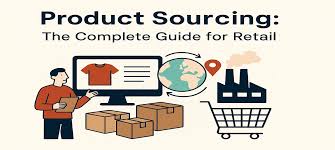
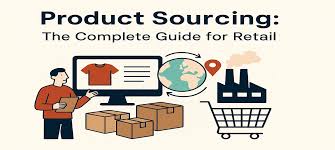
Finding products to sell and suppliers who can give them to you at the right price is what product sourcing means.
●Cost and profit.
●Quality and dependability.
●Time to deliver and dependability.
●Following the rules and keeping records.
●The ability to grow and reorder.
Finding a cheap supplier is only one part of product sourcing. It's making a supply chain that can give customers the same good service every time.
Why Product Sourcing Is Important
Bad sourcing can kill a business, even with great marketing:
●Defects cause refunds, chargebacks and bad reviews.
●Customers cancel and complain when deliveries are late.
●Damage to packaging hurts profits.
●Delays at customs happen when paperwork is weak.
●Inconsistent reorders slow down your best-selling momentum.
On the other hand, strong sourcing gives you:
●Cost of landing that is predictable and better margins.
●Quality stays the same for repeat orders.
●Faster restocking and better planning for inventory.
●The ability to add new SKUs without causing problems.
The Most Common Ways to Find Products
1、Sourcing directly from the factory
You buy straight from the makers.
Best for: Scaling best-sellers, private label and OEM/ODM.
Pros: Better prices and more control.
Disadvantages: Higher minimum order quantities (MOQs) and more work on quality control (QC) and follow-up.
2、 Offline sourcing through wholesale markets
You get your goods from wholesale markets, like those in big cities where you get your goods.
Best for: Finding a lot of things and making quick comparisons.
Pros: A lot of SKUs in one place.
Cons: The quality levels are different; a lot of them are traders or booths.
3、 B2B Platforms (Finding Suppliers Online)
You find suppliers on the internet.
Best for: Finding new products and making a list of potential suppliers.
Pros: Quick, lots of choices.
Cons: Suppliers aren't always reliable; needs to be checked.
4、 Companies that trade
You buy from a middleman who runs factories.
Best for: Small groups, groups with different types of people and less work for managers.
Pros: Easier to talk to each other.
Cons: Costs more; not as clear.
5、 Agents who help you find suppliers or partners for buying
Teams in the area that handle finding suppliers, quality control, consolidation and shipping planning.
Best for: Buying a lot of different SKUs, online sellers, retailers and buyers from other countries.
Pros: Lowers risk and workload for operations.
Cons: Service fee or commission.
6、 Dropshipping (No Inventory Model)
Suppliers send goods directly to customers.
Best for: Testing products with little money up front.
Pros: Not much risk, quick testing.
Cons: Less control over shipping speed and quality.
A Practical Guide to the Product Procurement Process
Step 1: Choose products based on demand and profit.
Before you contact suppliers, make sure:
●The product meets a clear need or fits into a strong niche.
●Your goal selling price is reasonable.
●Your expected margin should be enough to pay for marketing and refunds.
●Competition isn't just about price.
Tip: Always think about "total landed cost," not just the price from the supplier.
Step 2: Make a list of what your product needs
To avoid confusion, please define:
●Sizes, materials, colors and versions.
●Tolerances and functional requirements.
●Packaging (strength of the box, labels and inserts).
●Needs for compliance (certifications, market rules).
●Expected number of orders and plan for reordering.
●Expected lead time and delivery time.
The more clear your needs are, the more accurate your quote will be.
Step 3: Make a long list of suppliers
Use more than one channel:
●Places to find things.
●Regional factory clusters for specialization.
●Exhibitions and trade fairs.
●Recommendations from logistics and quality control networks.
●Finding partners to check things out in person.
Try to get 10 to 20 candidates and then narrow them down.
Step 4: Supplier Qualification (Don't Skip This) Check:
●Business license and proof of legitimacy.
●Factory vs. trading company (make sure you know which one you want).
●Ability and ability to make things.
●QC process (incoming, in-process and final inspection).
●How fast communication is and how good the paperwork is.
It's usually a good sign if a supplier answers quickly and clearly.
Step 5: "Spec Lock" and sampling
Sampling is a step in the process of control, not just a formality:
●Get samples from two or three of the best suppliers.
●Test function, materials, and how long they last.
●Make sure the packaging is safe.
●Give the go-ahead for a "golden sample" reference.
●Confirm specs in writing (version-controlled).
This stops "sample good, bulk bad."
Step 6: Talk about the price and terms (to protect your business)
Important points to talk about in a negotiation:
●Minimum order quantity and price breaks.
●Promises about lead time.
●Terms of payment (deposit/balance, staged payments).
●Policy for handling defects (refund, replacement or credit).
●Standards for packaging and making the most of cartons.
●Labels, barcodes and custom packaging (for branding).
Terms protect you but price is important.
Step 7: Check the quality (QC) before shipping
Depending on how risky it is:
●Simple checks for things that aren't very risky.
●Most orders are checked before they are shipped.
●Checking products that are complicated or worth a lot of money while they are being made.
●Checking the packing for fragile items.
●Supervision of loading for containers .
QC is often less expensive than returns and claims.
Step 8: Make a plan for shipping and consolidation
If you buy from more than one supplier:
●Put everything in one warehouse.
●Improve cartons to lower shipping costs.
●Check that the packing list matches the real boxes.
● Pick a shipping method (express, air, sea or DDP) based on how quickly you need it and how much it costs.
Step 9: Set up a reorder system (grow without making things messy). Keep track of:
●Contacts and quotes from suppliers.
●Standard for packaging and spec sheet.
●A list of things to check and problems from the past.
●Time to lead and schedule for production.
●Set reorder points based on how fast your inventory is selling and how much you have on hand.
This makes sourcing a process that can be done over and over again.
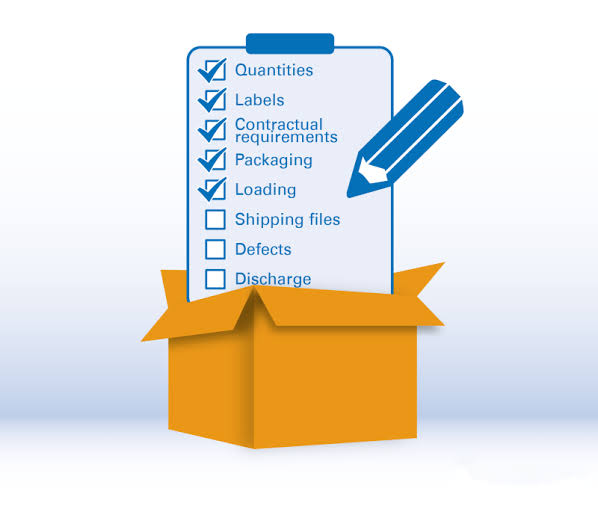
Product Procurement Checklist (Copy and Paste)
●Demand confirmed and target margin calculated.
●Product requirement sheet made.
●Supplier longlist made (multi-channel).
●Supplier legitimacy and capability checked.
●Samples tested and approved.
●Specs written down and golden sample saved.
●Negotiation includes terms and defect policy.
●Before shipping, the QC plan was checked,
●The logistics and consolidation plan finished.
●The supplier's performance tracked for reorders.
Recurrent Product Sourcing Mistakes
● Picking the lowest quote without checking the quality tier.
●Unclear requirements for packaging and product specifications.
●Not taking samples or not doing quality control.
●Getting best-sellers from just one supplier.
●Not taking into account the total landed cost (shipping, duties and defects).
●No paperwork for reordering (starting over every time).
Final Thoughts
There is a system for finding products. The best businesses treat it like a professional workflow, with steps like specs, qualification, sampling, QC, logistics, and reorders. That's how to make a supply chain that helps your business grow instead of causing problems all the time.