What is sourcing for e-commerce?
Sourcing products for online sales channels, like
●Stores on Shopify or WooCommerce.
●Amazon, TikTok Shop, Shopee, Lazada, eBay, and Walmart Marketplace.
●Local platforms (Rakuten, Coupang, etc.).
● It includes more than just choosing products and suppliers:
●Managing SKUs and planning when to reorder.
●Packaging and labeling (barcodes, FNSKU, bundles).
●Quality control to cut down on returns.
●Bringing together goods from many suppliers.
●Planning how to ship (fast lines, DDP routes, sea/air strategy).
What Makes E-commerce Sourcing Different?
When sourcing the old-fashioned way, people often focus on big orders and long cycles. E-commerce sourcing is all about speed, flexibility and customer experience.
Main differences:
1、 Many SKUs make things more complicated
E-commerce companies often get their goods from more than one supplier at a time:
●Different factories for each SKU.
● Bundles and options.
●Lots of small reorders.
You get wrong shipments and wrong inventory when you don't have a system.2、 More sensitivity to quality
Online reviews are harsh. If a 2% defect rate leads to returns and bad reviews, it can become a big problem.
3、 Requirements for packaging and labeling
Platforms might need:
●Labels with barcodes.
●Labels for boxes.
●Warnings on polybags.
●Sets of bundles.
●Add rules.
A supplier who doesn't pay attention to these details causes delays and extra costs.4、 The speed of shipping has a direct effect on conversion.
Customers look at how long it takes to deliver. Faster shipping increases the number of sales and lowers the number of returns.
The best ways to find products for e-commerce(pick one based on where you are)
1、 Online Marketplaces (Quick Testing)
Use B2B platforms to find products and see how much people want them quickly.
Best for: Finding out about new products at an early stage..
Risk: Suppliers aren't always reliable; quality control is needed.
2、 Finding things in the wholesale market (quickly)
Offline markets are a good way to quickly compare a lot of different products.
Best for: Seasonal categories, trendy items and items with a lot of variety.
3、 Direct Factory Sourcing (Best for Scaling Winners)
Direct factory sourcing gets better once you find products that sell well:
●Price and profit.
●Checking the quality.
●Options for personalization.
Best for: building a brand and getting repeat business.
4、Trading Companies (Less Work for Managers)
Useful when you don't have a lot of money to spend on mixed categories.
Trade-off: more money and less clarity.
5、 Sourcing Agents or Procurement Partners (Best for Many SKUs)
For international sellers who work with a lot of suppliers, a procurement partner can:
●Find and talk about.
●Take care of follow-up and quality control.
●Combine shipments from several suppliers into one.
●Take care of shipping planning, labeling and bundling.
For e-commerce businesses, this is often the "scaling upgrade" step.
The E-commerce Sourcing Process (Step by Step)
Step 1: Check that the products are safe to sell online
Before you get something, think about:
●Demand and competition.
●Price range that customers are okay with.
●How easy it is to ship (weight/volume and risk of damage).
●Risk of return (size, fit, and fragility).
●Margin potential after ads, platform fees and refunds.
Tip: Don't buy things that are fragile, heavy, or size-sensitive unless you have good quality control and packaging.
Step 2: Make an SKU Requirement Sheet (Not up for discussion)
Your SKU sheet should have:
●Product specifications (materials, sizes and options).
●Links to photos and other sources.
●Requirements for packaging (unit box, polybag, inserts).
●Requirements for labels (barcode/FNSKU/carton label).
●Instructions for bundling or kitting (if needed).
●Set a minimum order quantity (MOQ) and a reorder frequency.
●Set a target lead time and delivery date.
This makes "chat sourcing" into real business buying.
Step 3: Finding and Qualifying Suppliers
Check the following to make a shortlist of suppliers:
●Type of supplier (trader or factory).
●Experience with exporting and the ability to write documents.
●Consistency in production capacity and lead time.
●QC process and willingness to give proof of inspection.
●How fast and accurately they can communicate.
Step 4: Spec Lock and Sampling
E-commerce sellers should think of sampling as a way to keep things in check:
●Get samples from two to three suppliers.
●Check the product's function, durability and finish.
●Check the quality of the packaging..
●Give the go-ahead for a "golden sample" reference.
●confirm specs in writing (with version control).
Step 5: Place a trial order and do quality control
Run a small batch before scaling:
●Check the rate of defects.
●Check that the right colors and variants are there.
●Check the labels and packaging.
●Check before shipping.
This step keeps you from having to deal with big refund problems.
Step 6: Getting ready for e-commerce and consolidation
When you get a lot of SKUs, it's important to combine them:
●Warehouse getting goods from different suppliers.
●Sorting and labeling SKUs.
●Sets of bundling or kitting.
●Optimizing cartons to lower shipping costs.
●Matching cartons with an accurate packing list.
This step may include FBA prep rules for Amazon and other sites.
Step 7: Shipping Plan (Cost vs. Speed)
Different ways to ship things for e-commerce:
●Express or air for quick restocking.
●Sea freight for restocking best-sellers and large orders.
●DDP lines make it easier to deal with customs in many markets.
When you source well, you don't just look at the cost of shipping.
You also look at the total landed cost and the risk of running out of stock.
Step 8: Set up a system for reordering (growing without making things messy)
To grow, you need to keep accurate records:
●History of supplier quotes and minimum order quantities.
●Standards for packaging and spec sheets.
●List of QC checks and defect history.
●keeping track of lead time.
●Set reorder triggers based on sales speed and stock levels.
●Backup suppliers for items that sell well.
This is where finding suppliers for e-commerce turns into a real supply chain.
The (KPI) AsThe Most Important Key Performance Indicator
The (KPI)is the Total Landed Cost.
When it comes to e-commerce, you need to base your sourcing decision on the total landed cost:
●Price per unit.
●Cost of packaging and labeling.
●Cost of shipping.
●Taxes and duties.
●Cost of defects and replacements.
●Refunds and chargebacks have an effect.
●Time cost (stockouts and delays).
A supplier with a low unit price can be costly if they cause delays and returns.
Common Mistakes in E-commerce Sourcing
●Only picking suppliers based on the lowest price.
●Not following label and spec sheet rules.
●No proof of QC before shipping.
●Too many suppliers without a system (SKU mix-up).
●Not paying attention to the size and weight of the box (shipping costs go up).
●Making orders bigger before checking defect rates.
● Depending on one supplier for best-selling items.
Best Ways to Grow Your E-commerce Sourcing
1. Start with a lot of things, then narrow them down.
2. Quickly test products and then standardize sourcing for the ones that work.Make sure you have two sources for best-sellers.
3. Having one main supplier and one backup supplier lowers risk.Put money into quality control and packaging control.
4. This directly lowers the number of refunds and keeps ratings safe.Put all of your procurement data in one place.
5. Keep track of quotes, specs, and reorders with a system, not just Excel.Use services for consolidation and preparation.
Especially for orders with more than one SKU and platform needs.
Final Thoughts
Finding products for e-commerce isn't the only thing you need to do; you also need to set up a system that always delivers high quality, accurate fulfillment, and predictable margins. Sellers who move from "random buying" to a structured sourcing workflow are the ones who will win in the long run.
Related Articles
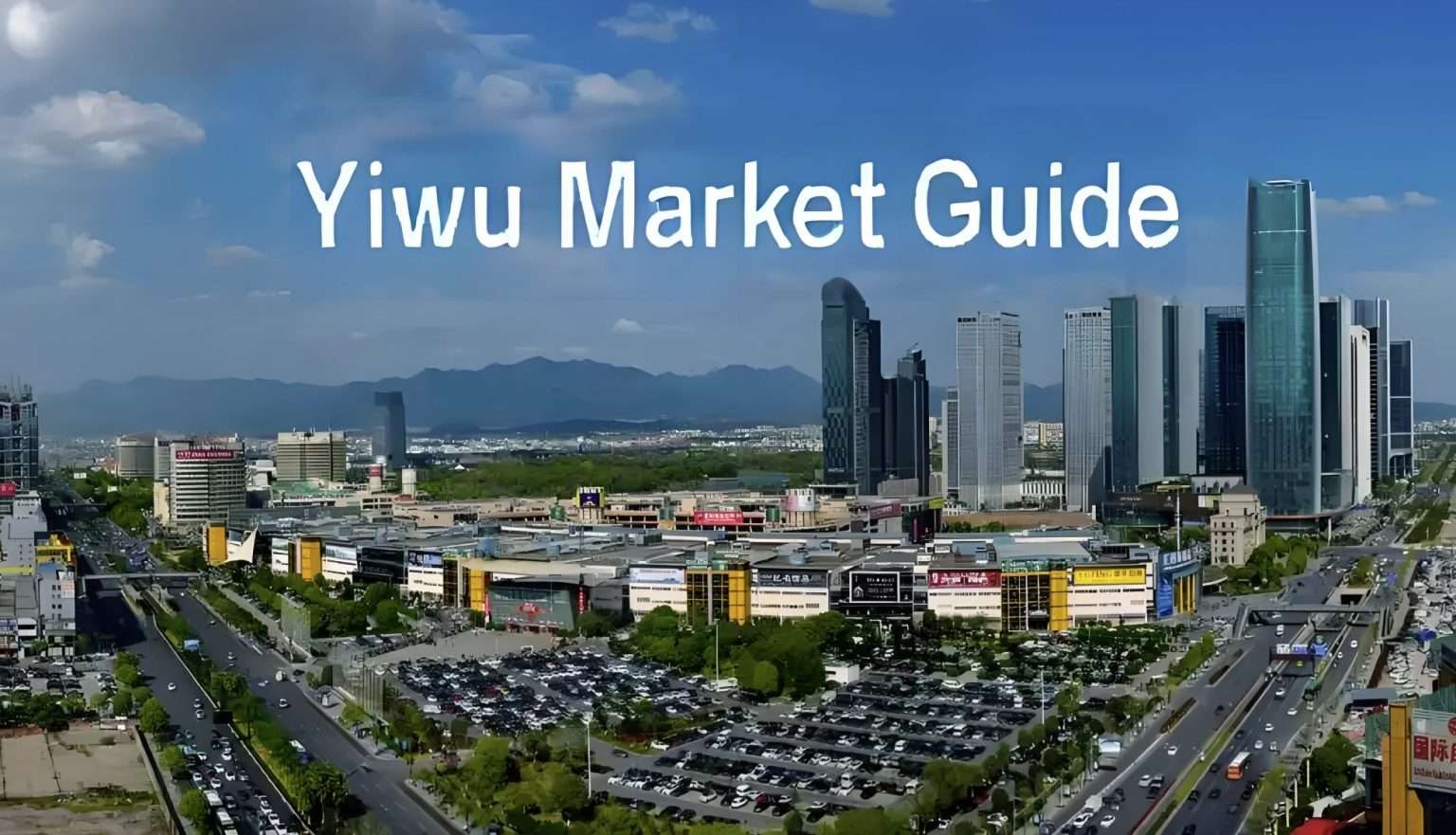
All articlesYiwu Market Guide for International Buyers
The Yiwu Market is a place to find suppliers in China especially for people looking for small items wholesale products with low minimum order quantities, mixed orders, gifts, household stuff, accessories, toys, stationery, packaging and seasonal products. The Yiwu Market is huge it has thousands of suppliers showing their products in one place. You can find anything you need here at the Yiwu Market. The Yiwu Market is not like a store where you pick something and take it home. It is a market. Most booths are like showrooms. Buyers visit the Yiwu Market, place orders and then the products are made or prepared. After that the goods are shipped from the Yiwu Market. To succeed in sourcing from the Yiwu Market you need to know how it works. You should understand what the Yiwu Market is good for, how to choose suppliers at the Yiwu Market how to check product quality at the Yiwu Market and how to ship products from the Yiwu Market. You have to do your research and plan carefully to get the best out of the Yiwu Market. Buyers need to understand the Yiwu Market to source successfully from the Yiwu Market. The Yiwu Market is good for commodities and MOQ wholesale products. The Yiwu Market has products across every consumer category. Buyers should know how to evaluate suppliers at the Yiwu Market and control quality at the Yiwu Market. Logistics is also important once you have bought something from the Yiwu Market.
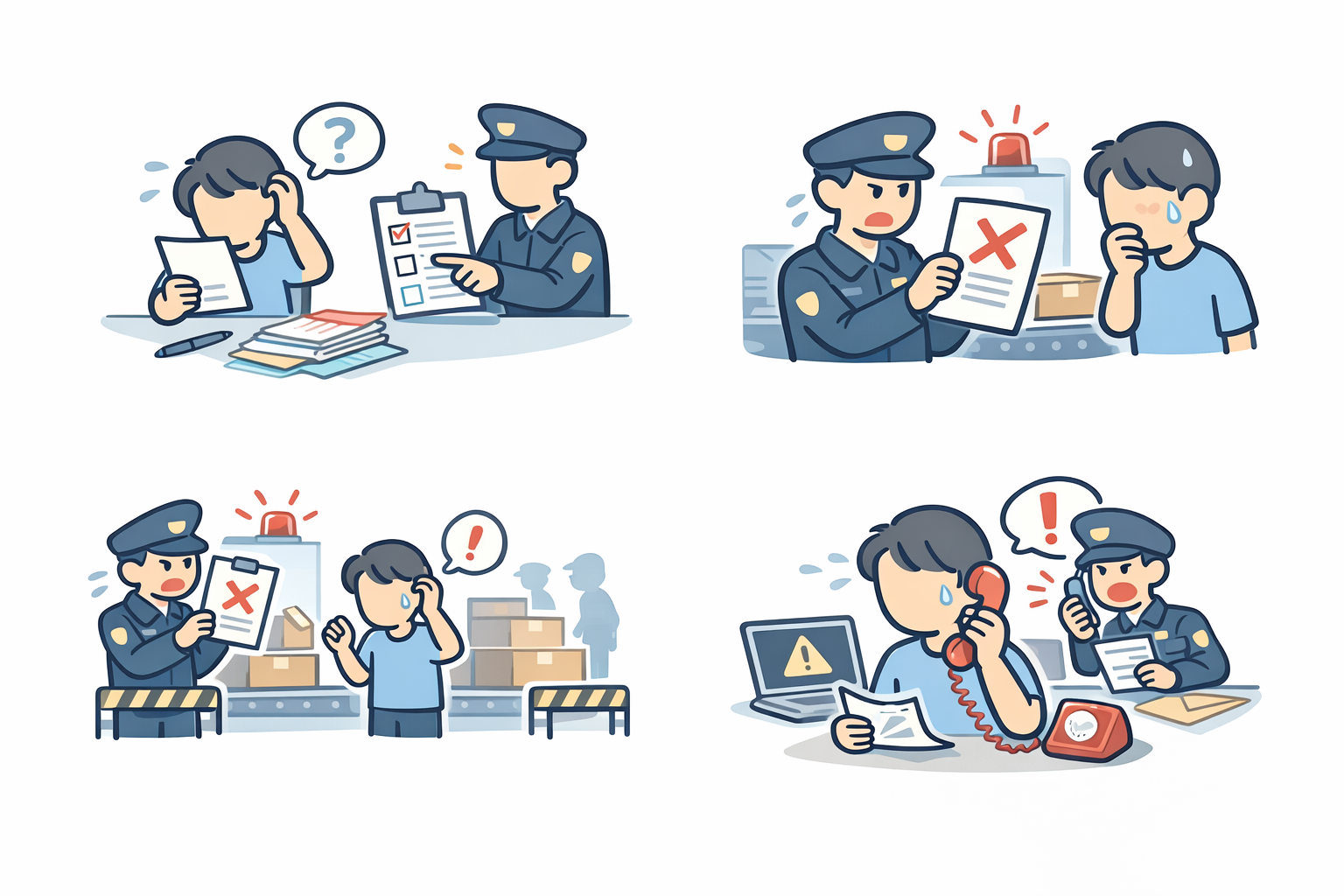
Why Does Customs Hold Things Up Over "Just One Document"?
“We’re stuck because of paperwork”—this is a phrase you often hear in the world of imports. The goods seem fine. The quantities match. Yet, customs clearance isn’t moving forward. Why does paperwork alone cause such a major problem? In this article, we’ll break down the reasons from a structural perspective.
Yiwu's Ultimate Market Sourcing Guide For Global Buyers In 2026
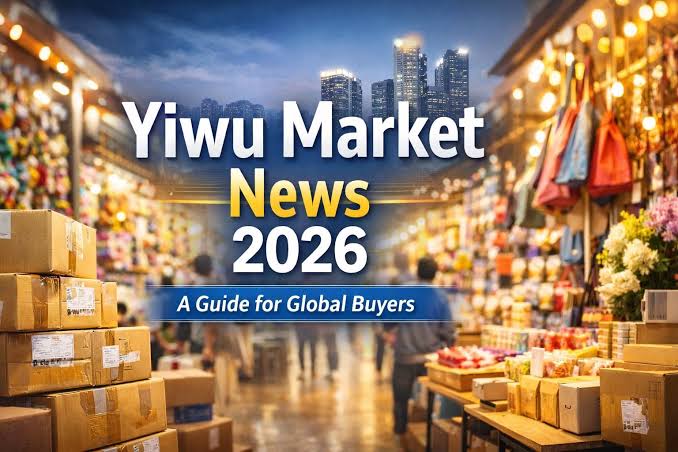
The Yiwu International Trade Market, also well known as the "World's Supermarket" is the world's largest wholesale market for small commodities. This trading market has been designed to serve importers, product distributors, commodity retailers and e-commerce sellers from across 210+ world countries and regions. With over 75,000 physical booths and 400,000+ product SKUs ranging from small to medium and extra large products, of all diversities,categories and types, the Yiwu International Trade Market has become the top sourcing destination for global buyers seeking cost-effective, diversified and customizable wholesale products. The Yiwu's Ultimate Market Sourcing Guide For Global Buyers In 2026 is a guide aimed at elaborating on the Yiwu Market's core advantages, district layouts/product types, standard procurement/purchasing processes,common pain points, professional sourcing solutions and sourcing agent options for global newcomers and long-term buyers.
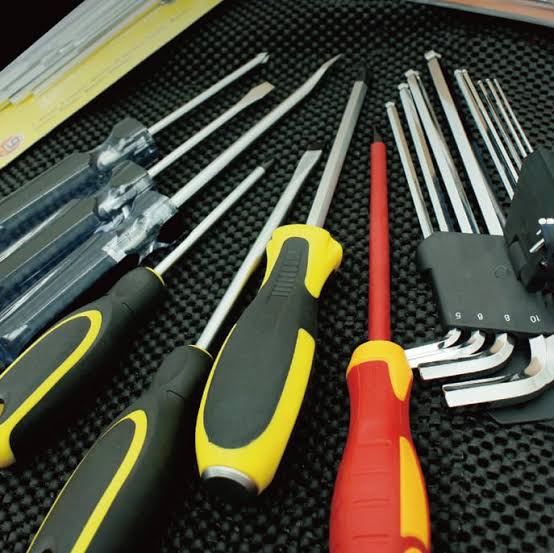
Hardware Products and Tools Sourcing from China
When you purchase hardware products from China you can earn a lot of money. However if you only consider the price you will likely end up losing money. You need to think about the strength of the hardware products materials and how accurate the sizes of the hardware products. You also need to consider how well the hardware products resist corrosion and the quality of the surface treatment of the hardware products. Hardware products from China are really different from the things you can buy in stores. China is one of the places in the world where they make hardware and tools. They make all sorts of things like hand tools, fasteners, hardware for furniture, tools for building and tools for gardening. If you want to buy hardware products from China and do well you have to be very careful. You need to be careful about what hardware products you're buying and who you are buying the hardware products from. You need to check the quality of the hardware products. What certificates the hardware products have. You also need to think about how you will get the hardware products, from China to where you need the hardware products to be.