


Summary of this article:One of the most important things you can do to make your product business successful is to find the right manufacturer. A good factory can help you save money, keep quality stable, and grow your business smoothly. A bad factory can cause delays, defects, refunds and a lot of stress in the supply chain. This guide will show you how to find manufacturers, how to make sure they are real factories and not just traders, how to compare quotes the right way and how to choose the best supplier for a long-term relationship.
What does it really mean to "find manufacturers"?
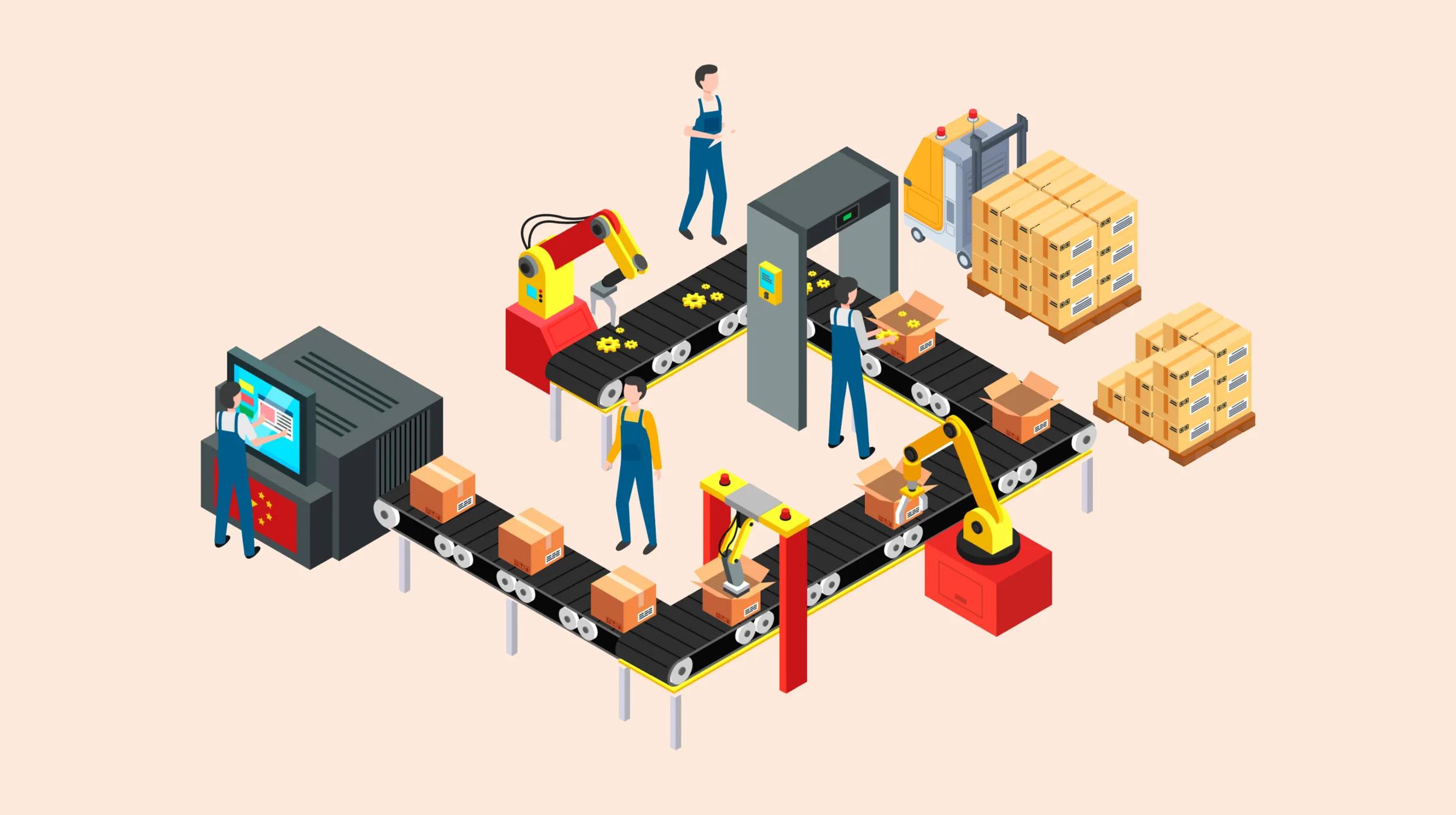
"Finding a manufacturer" usually means more than just looking at a list of factories. A full search for a manufacturer includes:
●Finding factories that make the type of product you need.
●Checking that production is possible and that there is enough space.
●Checking that the license and location is real.
●Checking systems for quality and experience with exports.
●Taking samples and confirming specs.
●Discussing terms like minimum order quantity (MOQ), lead time, and defect policy.
●Making a system for quality control and reordering.
The goal isn't just to find a factory; it's to find a partner who is dependable and can grow with you.
Step 1: Get Ready Before You Search
(The Step That Most People Skip)
Before you get in touch with manufacturers, make sure you know:
●Product specifications (materials, size, function and variations).
●Price range and expected number of orders.
●Requirements for packaging, such as the strength of the carton, the unit packaging, and the labeling.
●Rules for your market that you need to follow (certifications, labeling rules).
● Expected shipping time and destination.
Why it matters: If you don't know what you need, factories will give you different prices, and you'll compare the wrong things.
Step 2: The Best Ways To Find Manufacturers
1. Manufacturing clusters (the best way)
Start with areas that are known for your type of business. Factories tend to group together by industry.
This helps you find better suppliers more quickly and compare prices.For example, you could search for "product + factory + city/cluster."
2. Exhibitions and trade shows
Trade fairs are a high-quality way to meet verified manufacturers, compare samples, and build relationships—especially if you plan to scale or need OEM/ODM support.
3. B2B Platforms (Good for Finding Things, Not for Trusting Them)
You can quickly make a long list with B2B marketplaces. Use them to find things, and then check them out for real.
4. Google Search And Factory Websites
A lot of strong factories don't put a lot of money into platforms. You can find better suppliers by searching the web but you need to be careful.
5. Recommendations from Logistics/QC Networks
Freight forwarders and inspection companies usually know which factories have stable quality and export performance.
6 Sourcing Agents or Procurement Partners
If you're in another country or looking for a lot of different products, a local partner can help you:
●Go to factories.
●Check ability.
●Handle QC and consolidation.
●Lower the risk of miscommunication and bad execution.
Step 3: How to Tell the Difference Between a Real Factory And A Trading Company
Not every "manufacturer" you see online is a real factory. Some are traders who act like factories.
Things that show a real factory:
●Can show videos of the production line and the tools used.
● Has a clear address for the factory and can host visits and audits.
●Can give a lot of information about the materials and process of making things.
●Has stable lead times for production and plans for capacity.
●Can give out SOP/QC process documents (basic level).
Signs that you might be dealing with a trader:
●A very wide range of products in different categories.
●Can't show the factory floor or equipment.
●Unclear answers about how things are made.
●Lead times that don't always match up and capacity that isn't clear.
"We can do everything" without going into technical detail.
Important note: Not all traders are bad. They can be helpful for SKUs that are mixed and low volumes. Being open is the most important thing.
Step 4: Make a Short List (Use a Qualification Checklist)
When you have 10 to 30 possible suppliers, use the following to qualify them:
●The scope of business licenses and registrations.
●Proof of the factory's location and facilities.
●Experience with exporting (target markets).
●System for quality (checks on incoming, in-process, and final products).
●How fast and accurately you can talk to each other.
●Minimum order quantity (MOQ) and price tier structure.
●Capacity and lead time during peak season.
●Ability to meet the rules and regulations.
●Willingness to help with sampling and inspection.
Goal: make a list of 3 to 5 manufacturers for each product line.
Step 5: Run a standard RFQ to get quotes that are similar.
To make sure you can compare factories correctly, send a standard RFQ that has:
●Name of the product + pictures or drawings.
●Requirements for materials and finishes.
●Size, weight, and tolerance (if needed).
●Different types and packaging needs.
●Number of items ordered (trial + forecast).
●Target shipping term (EXW, FOB, CIF, or DDP).
●The country of destination and the time frame.
●Required labels and certifications.
●Ask for lower prices for larger orders.
Tip: When you get a quote, ask the factories to confirm that it includes packaging, labels, and inner protection.
Step 6: Sampling and "Spec Lock" (Stop Problems with Bulk Quality)
If quality is important, sampling is not optional.
Best way to do it:
●Get samples from two or three factories.
●Check the function, durability, look and packaging.
●Give the go-ahead for a "golden sample" reference.
●Make a written specification sheet that can be changed.
●Enforce change control (no changes without written permission).
This stops the most common problem, which is that the sample is good but the bulk is bad.
Step 7: Test Order and Quality Control Before Scaling
Before you place a big order:
●Make a small test order.
●Check the shipment before it leaves.
●Check the strength of the packaging and the size of the boxes.
●Check that the labels are correct and that the variants are sorted correctly.
●Check the paperwork (invoice, packing list, HS code).
If the execution is good, then scale.
Step 8: Talk about terms that protect you, not just the price.
A good manufacturer agreement should include:
●Promises about lead time.
●Minimum order quantity and price breaks.
●Terms of payment (deposit/balance or staged payment).
●Policy for dealing with defects (replacement, refund, or credit).
●Warranty and spare parts (if they are needed).
●Standards for packaging (to keep things from getting damaged).
●Owning the tools (for OEM/ODM).
●Keeping things private and protecting intellectual property (if necessary).
Best Practices: Building Relationships with Manufacturers And Scaling
Once you find a good factory:
●Make predictions early for the busy season.
●Keep a record of all approvals and specs.
●Keep an eye on the number of defects and deliveries on time.
●Find a backup supplier for your best-selling products.
● Do reviews every three months to lower costs, improve quality, and speed up delivery.
This makes "a supplier" a long-term benefit.
Quick Checklist for Finding a Manufacturer (Copy and Use)
✅ Product requirements set (specs, packaging, compliance) .
✅ Longlist made from a number of sources.
✅ Checked by factory vs. trader.
✅ Made a shortlist of 3 to 5 suppliers.
✅ Standard RFQ sent to get similar quotes.
✅ Samples approved and spec sheet locked.
✅ Trial order finished and QC passed.
✅ Contract terms include defect policy and lead time.
✅ Shipping and documentation plan confirmed.
✅ Supplier performance tracked for reorders.
Final Thoughts
The steps to finding manufacturers are: search, verify, sample, trial, and scale. You can avoid most sourcing disasters and build a supply chain that supports long-term growth if you follow a structured approach.