What Does It Mean to Buy from Primary Sources?
Primary sources are the original suppliers in the supply chain. In most cases, these are manufacturers, factories, direct producers, brand owners, farms, processors, or first-level authorized distributors. They are closer to production than middlemen, trading companies, or secondary wholesalers.
Buying from primary sources gives businesses a major advantage: lower cost at the beginning of the chain. When fewer intermediaries are involved, there is usually more room for profit, better control over specifications, and stronger negotiating power. This is especially important for companies that want to supply retailers consistently over time.
For example, if a wholesaler buys directly from a factory rather than from another reseller, the wholesaler can often secure better unit pricing, customize packaging, request quality improvements, and manage supply with more flexibility. These benefits become even more valuable when serving retailers that require stable stock and predictable lead times.
Why Retailers Prefer Working with Reliable Wholesale Suppliers
Retailers operate in a fast-moving environment. Whether they sell through physical stores, supermarkets, chain outlets, online shops, or specialty stores, they depend on product availability and pricing stability. A retailer cannot afford frequent stockouts, poor-quality goods, or suppliers who respond slowly.
This is why many retailers prefer working with wholesale businesses that source directly from primary sources. These wholesalers often offer better value than local distributors who add more cost but provide less control. A well-organized wholesale supplier can become a bridge between production and retail, making it easier for retailers to access the products they need without dealing directly with factories.
Retailers also value suppliers who understand market needs. They want clear quotations, low error rates, practical minimum order quantities, attractive packaging, and products that match customer expectations. If a wholesale business can combine direct sourcing with retail-friendly service, it becomes much easier to build long-term buyer relationships.
The Business Advantage of Buying Direct and Selling to Retailers
The main advantage of this model is profit margin. When you buy close to the source, your base cost is lower. This creates more flexibility in pricing and allows you to serve different kinds of retailers, from budget-focused stores to premium retailers that want better packaging and more consistent quality.
Another major advantage is better control. Businesses that buy from primary sources can often control product specifications, materials, private labeling, packaging design, and production schedule more effectively than those buying through multiple layers of resellers. This makes it easier to respond to retailer requests and market trends.
Scalability is another benefit. Once a business has a stable relationship with reliable primary suppliers, it can expand more efficiently by adding retailer accounts, entering new regions, and introducing related product lines. Instead of starting from zero each time, the business grows from a stronger sourcing foundation.
Finally, this model can improve brand positioning. Even if the wholesaler is not manufacturing the goods directly, it can still become known for dependable quality, competitive pricing, and efficient supply. Over time, retailers may view the wholesaler not as just another vendor, but as a strategic supply partner.
How to Identify the Right Primary Sources
Not every factory or producer is the right partner. Some offer low prices but poor consistency. Others have good production ability but weak communication. To succeed in this model, businesses must evaluate primary sources carefully.
The first step is to understand the supplier’s real role in the supply chain. Are they a true manufacturer, a processor, a direct producer, or simply a trading company presenting itself as a factory? This matters because it affects price, control, lead time, and credibility.
The second step is capacity evaluation. A supplier must be able to meet retailer-driven demand over time, not just provide a good sample or one successful order. Production capability, quality management, equipment, staff experience, and delivery performance all matter.
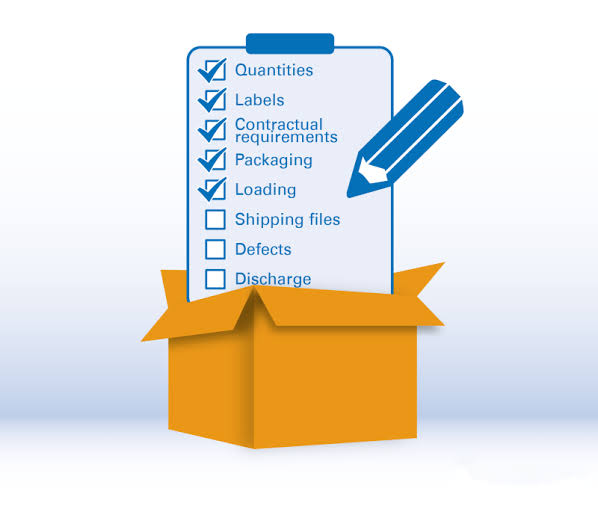
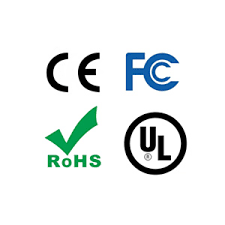
The third step is documentation and compliance. Depending on the product type, businesses may need certifications, testing reports, export records, ingredient lists, packaging compliance, or factory audit information. Retailers often want assurance that the products they are buying are safe, legal, and consistent.
The fourth step is communication quality. A supplier that is difficult to reach or slow to answer during the early stage often becomes a bigger problem later. Strong communication is essential when dealing with production timelines, packaging revisions, quality issues, and urgent replenishment needs.
Key Challenges in This Business Model
Although the concept sounds straightforward, buying products from primary sources and selling to retailers comes with real challenges.
One of the most common problems is supplier inconsistency. A product sample may be excellent, but mass production may vary. This can create serious issues when supplying retailers, especially those with strict expectations around color, materials, size, labeling, or shelf presentation.
Another challenge is inventory risk. Retailers often want reliable stock, but wholesalers do not want to hold too much inventory. If demand forecasting is weak, a business may end up overstocked, understocked, or forced into rushed purchasing decisions that reduce profit.
Pricing pressure is also a major factor. Retailers want competitive prices, but they also expect service, quality, and flexibility. A wholesaler must set prices that remain attractive while still covering shipping, quality control, storage, staff, and possible returns or claims.
There is also the challenge of retailer diversification. Different retailers want different things. Some care most about price. Others prioritize branding, packaging, low MOQ, fast shipping, or exclusivity. A successful business must understand how to serve multiple retail profiles without creating unnecessary complexity.
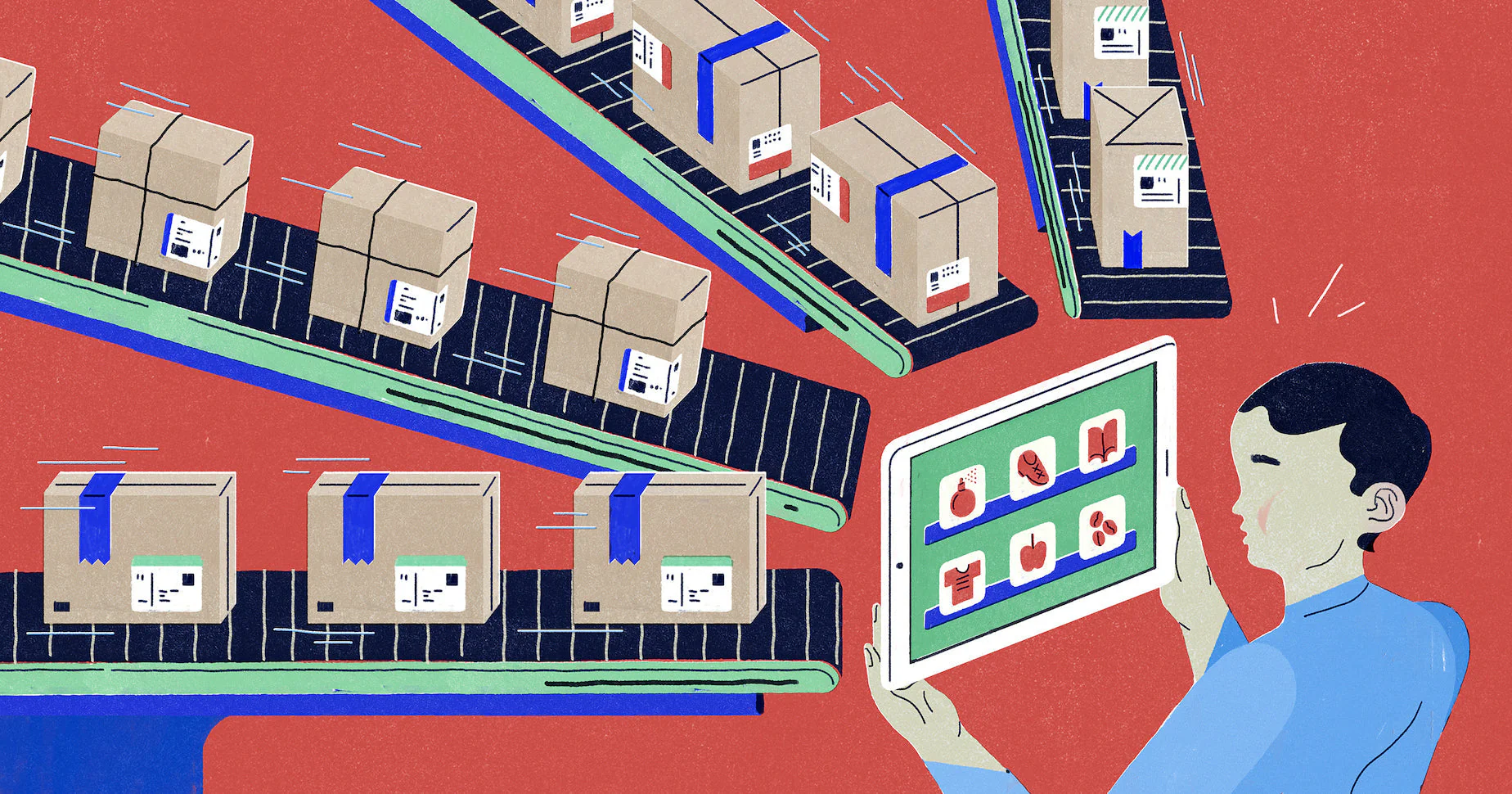
Finally, logistics and timing can become a weak point. Even when sourcing is good, late shipments or poor delivery coordination can damage trust. Retailers often run on tight schedules, especially during promotions, peak seasons, and holiday periods.
How to Build a Profitable Wholesale Process
A profitable wholesale process starts with careful product selection. Not every product is suitable for retailer distribution. The best products are usually those with repeat demand, reasonable margins, manageable shipping requirements, and clear retail appeal.
After choosing products, the business must create a sourcing system. This means identifying primary sources, comparing prices and terms, testing samples, checking quality standards, and securing backup suppliers where possible. Depending on one source alone can create unnecessary risk.
The next step is cost analysis. Many new wholesalers focus only on unit price, but real profitability depends on total landed cost. This includes product cost, domestic transport, export fees, quality checks, international freight, customs costs, warehousing, packaging changes, and possible damage or return risk.
Once sourcing is stable, the business should build a retailer sales structure. This includes product catalogs, wholesale pricing sheets, MOQ terms, lead times, packaging information, and reorder processes. Retailers want clear and efficient information. If the buying process feels confusing or unreliable, they may move on to another supplier.
Customer service also plays a major role. A business that responds quickly, solves problems calmly, and keeps buyers informed will usually retain more retailer clients than a business that only competes on price.
The Importance of Quality Control
When selling to retailers, quality control is not optional. Retailers sell to end customers, so product quality affects their reputation directly. If the wholesaler sends inconsistent or defective products, the retailer may face complaints, returns, and poor reviews.
This is why businesses sourcing from primary sources should implement quality control at multiple stages. Sample approval is the first step, but it is not enough. Pre-production confirmation, in-process inspection, pre-shipment inspection, and packaging checks can all help reduce risk.
Good quality control is especially important when working with overseas suppliers. Distance makes it harder to solve problems quickly after goods are shipped. Preventing mistakes before shipment is far better than dealing with claims later.
Consistency matters just as much as quality. Retailers often want the same product to look and perform the same way across repeated orders. Even small variations can create dissatisfaction if they affect shelf appearance or customer experience.
How to Price for Retail Buyers
Pricing is one of the most strategic parts of the business. A wholesaler needs to leave enough room for the retailer to make a profit while still protecting its own margin. If the price is too high, retailers lose interest. If it is too low, the wholesaler may struggle to sustain the business.
Good wholesale pricing starts with accurate cost calculation. Then the business should consider retailer type, order volume, reorder potential, market competition, and product positioning. In some cases, offering tiered pricing based on quantity works well. Larger orders can justify lower unit pricing because they improve factory efficiency and reduce handling costs.
It is also important to avoid competing only on price. Retailers often pay more when they trust the supplier’s quality, consistency, communication, and service. A dependable supplier with strong execution is often more valuable than a slightly cheaper supplier who creates constant operational problems.
Building Strong Relationships with Retailers
Retail success is rarely built on one transaction. The real value comes from repeat orders, long-term cooperation, and growing trust. This means wholesalers should focus not just on selling products, but on helping retailers operate more effectively.
That may include sharing best-selling product ideas, suggesting packaging improvements, offering practical reorder systems, helping with seasonal planning, or introducing related product lines. The more a wholesaler understands the retailer’s business needs, the more useful and trusted that supplier becomes.
Communication matters here as well. Retail buyers appreciate suppliers who are clear, honest, and proactive. If there is a delay, they want to know early. If a product needs to be adjusted, they want options. If stock is running low, they want timely notice. Businesses that communicate well are easier to work with and more likely to keep accounts over time.
Common Mistakes to Avoid
Many businesses enter this model thinking that direct sourcing automatically guarantees success. It does not. Some of the most common mistakes include choosing suppliers only based on price, failing to inspect products properly, ignoring retailer requirements, holding the wrong inventory, and underestimating logistics complexity.
Another mistake is trying to sell too many unrelated products too quickly. While variety can attract buyers, too much product expansion can reduce focus and make sourcing, pricing, and inventory harder to manage. It is often better to build strength in a focused category first and then expand carefully.
Poor documentation is another issue. Clear product specifications, price terms, payment terms, delivery timelines, and packaging details should always be confirmed. Misunderstandings in wholesale can quickly become expensive.
Some businesses also fail by treating retailers like one-time customers instead of long-term partners. Retailers that reorder regularly can be far more valuable than one large but unstable order. Retention often matters more than short-term sales volume.
How a Sourcing Partner Can Help
For businesses buying from overseas primary sources, working with a professional sourcing partner can improve efficiency and reduce risk. A strong sourcing partner can help with supplier screening, factory communication, price negotiation, sample coordination, quality checks, production follow-up, and shipping arrangements.
This is especially useful when entering complex supply markets where language, culture, or supplier verification can become obstacles. Instead of spending excessive time managing every step manually, businesses can work with an experienced sourcing service to build a more reliable supply chain.
For example, HubBuyer: Your One-Stop Chinese Sourcing Agency Service Platform helps global clients connect with reliable Chinese supply chains and supports the full process from supplier screening and quality control to logistics fulfillment. For wholesalers looking to buy products from primary sources in China and sell confidently to retailers, the right sourcing support can make the process more efficient, transparent, and scalable.
Long-Term Growth Opportunities
The business model of buying from primary sources and selling to retailers remains one of the most practical paths in wholesale trade. As retailers continue to look for better pricing, better product variety, and more dependable suppliers, wholesalers with strong sourcing systems will continue to have opportunity.
Growth can come from many directions. A business may expand into more retailer accounts, develop private-label product lines, improve packaging for better retail presentation, or add new categories based on buyer demand. It may also move into regional distribution, e-commerce retail support, or specialized product segments.
The companies that grow best are usually not the ones chasing the cheapest deal every time. They are the ones that build stable supply, protect quality, understand retail needs, and operate with consistency.
Conclusion
To buy products from primary sources and sell to retailers successfully, a business needs more than access to cheap goods. It needs supplier verification, strong quality control, practical pricing, efficient logistics, and a real understanding of what retailers value. When done well, this model can deliver strong margins, long-term customer relationships, and scalable growth.
The key is to think beyond one transaction. Direct sourcing creates opportunity, but trust, execution, and consistency are what turn that opportunity into a real wholesale business. Companies that build solid systems from the start will be in a much stronger position to serve retailers and grow sustainably in competitive markets.