Introduction: Is the Factory Relocation a Failure?
In the apparel OEM industry, changing factories is often seen as a sign of failure.
Especially when problems arise during the first transaction, people tend to think, “Maybe my negotiation skills were poor,” or “Maybe things will improve if I just wait a little longer,” and end up postponing the decision to switch factories.
However, in reality, changing factories is rarely a failure; it is often a rational decision made after carefully assessing the situation.
Why people keep working at a factory even if they're dissatisfied
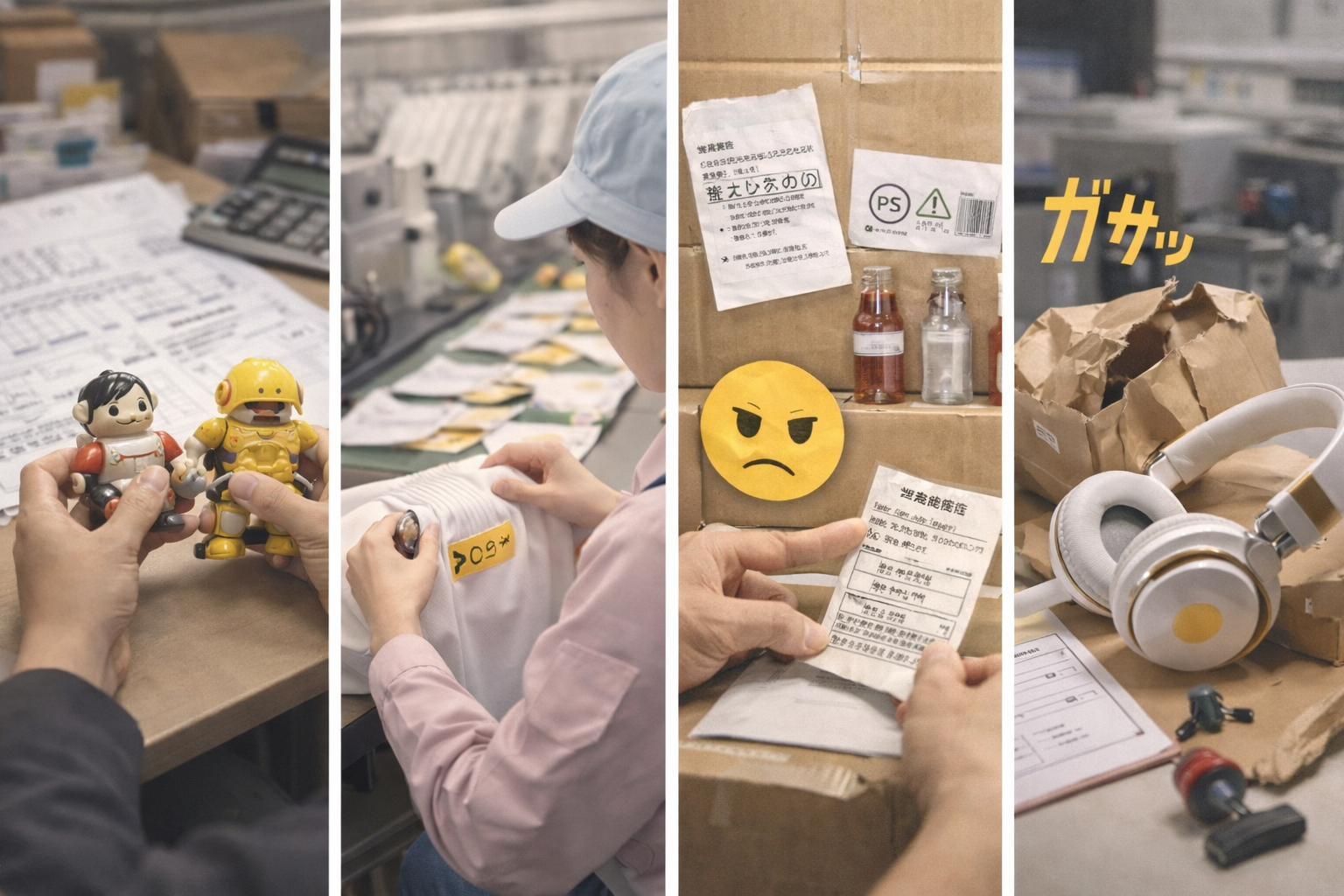
In this case as well, there were clear complaints about the first factory.
Variations in quality, differences in interpretation of specifications and a slow response to requests for improvement. While none of these issues were fatal on their own, they became a source of stress when they are piled up.
The reason we continued doing business with them was simple: we were held back by the psychological barrier of having“already invested time and money.”
The more samples we produced, the more mass production we carried out and the more back-and-forth communication we had, the stronger the feeling became that“if we stop now, everything we've done so far will be wasted.”
The decisive factor that led to the decision to change factories
What ultimately led us to decide to switch factories was not so much the quality itself as the company's attitude.
Specifically, when we consulted them about an issue that arose with a mass-produced item, we received only a vague response such as,
“We'll be more careful next time.”
Even when we shared areas for improvement based on the specifications, no concrete measures to prevent recurrence were presented and it was unclear who was responsible.
We had no choice but to conclude that if this situation continued, there was a high probability that the same problem would occur in the next batch.
Why "I can still handle it" is the most dangerous mindset
At this stage, many people tend to say, “It's not fatal yet.”
However, in the OEM industry, this is precisely the most dangerous stage.
If you don't take action while quality issues are still minor, the problem will escalate rapidly once sales volumes increase.
By the time they surface in the form of returns, negative reviews or brand damage, it will be far too late to simply switch factories.
Preparations We Actually Made in Preparation for the Factory Relocation
After deciding to switch factories, the first thing we did was“articulate the issues with the previous factory.”
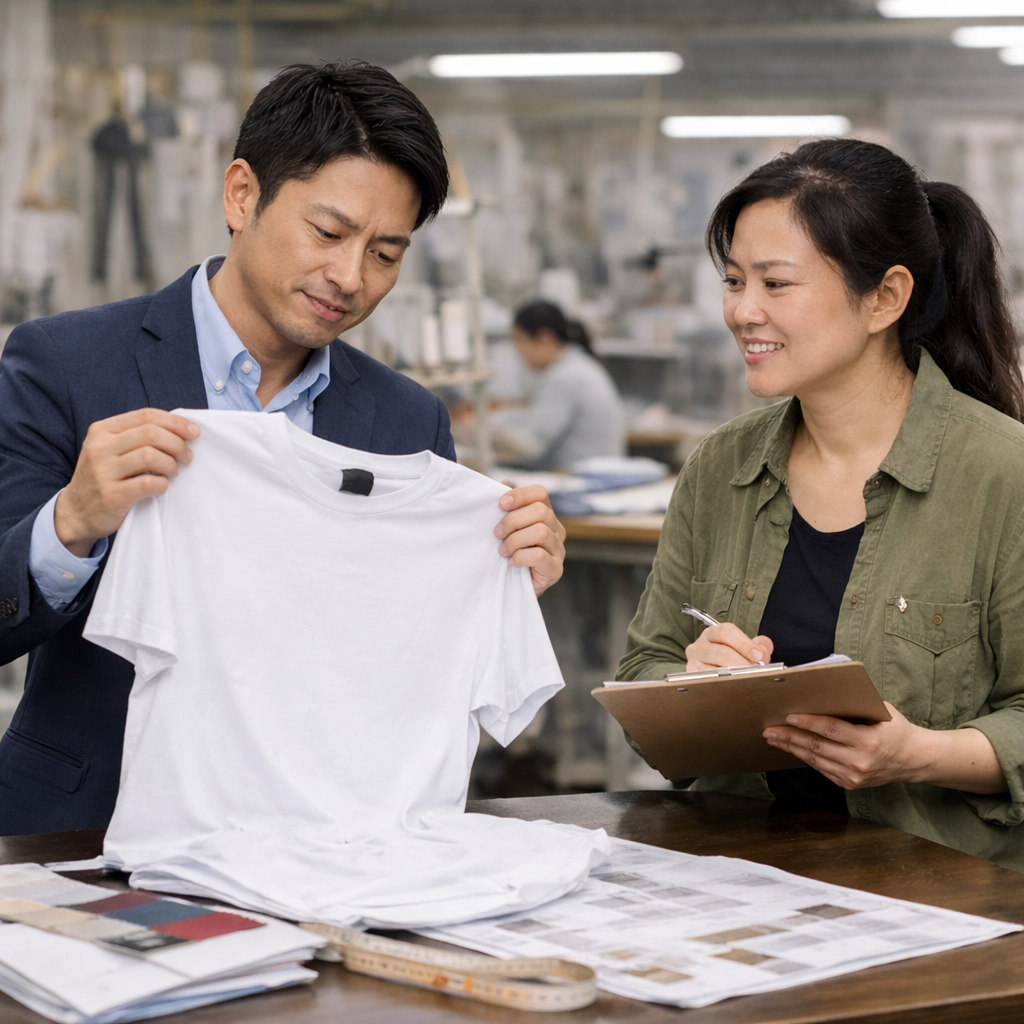
Rather than relying on vague feelings of dissatisfaction, we systematically identified “what didn't work” and “what couldn't be replicated,” and incorporated these findings into our criteria for selecting the next factory.
Based on that, we clearly communicated to the new factory from the very beginning that the quality had to meet Japanese standards, along with our acceptable defect rates and response time criteria, and we conducted detailed checks during the sample stage.
Changes that occurred immediately after the factory was renovated
The first change I noticed after switching factories wasn't the price.
There was a clear difference in their understanding of the specifications and the specificity of their responses to my questions.
They clearly communicated what was and wasn't possible and explained the reasons why.
At that point, the stress associated with doing business with them decreased significantly.
The Actual Results Achieved Through the Plant Relocation
As a result, product quality has stabilized and the number of correction requests during inspection has decreased.
While the price itself did not drop significantly, the hidden costs associated with remanufacturing and handling complaints have plummeted.
Above all, the most significant benefit was that we were able to establish a criterion for deciding whether or not we can entrust this factory with our next order.
This is worth far more than the monetary value.
Is changing factories a risk or an investment?
Changing factories certainly takes some effort.
However, this is not a risk; it is an investment to prevent future problems before they arise.
Continuing to do business with a factory that isn't a good fit is the greatest risk of all.
Summary: The Importance of Having Criteria for Transforming a Factory
In the apparel OEM industry, changing factories is not uncommon.
What matters is not “whether to change,” but “whether you can determine the right timing to do so.”
Instead of simply putting up with problems, organize them systematically and use the lessons learned for future success.
By adopting this perspective, your OEM business will become more stable.
For sourcing from China or Alibaba, leave it to HubBuyer.