What Does a China Sourcing Agent Actually Do?
A sourcing agent's role typically encompasses searching and vetting suppliers, negotiating prices, arranging for product samples, overseeing production, inspecting final products before they are shipped off and coordinating international shipping. Therefore, the fees that you pay your sourcing agent should reflect the value and complexity of services they provide.
Typical services a sourcing agent will offer:
•Finding and comparing product suppliers and verifying factories.
•Negotiating and placing sample orders, along with checking sample quality.
•Placing and following up on larger product orders.
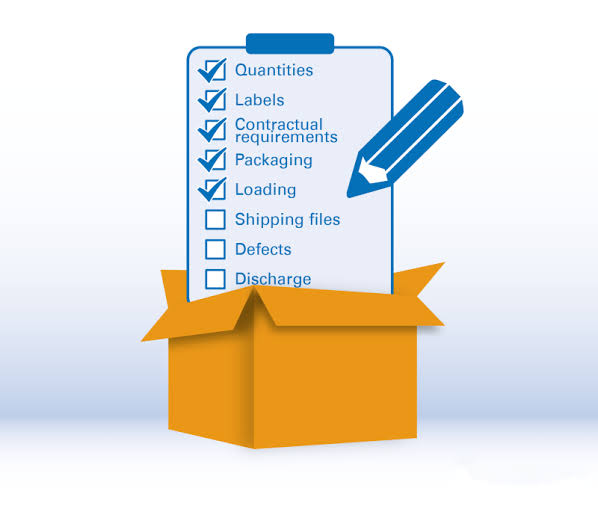
• Performing quality checks, packing inspections and verifying labeling.
•Providing warehouse facilities for goods, consolidating orders and handling export paperwork.
- Arranging international shipping.
The fee you pay for finding a supplier for a commodity will vary greatly from the fee for a highly specialized custom manufacturing project that involves multiple factories, rigorous quality checks and complex international logistics.
Why Sourcing Agent Fees Vary So Greatly
There's no one-size-fits-all approach to China sourcing and the complexity of each sourcing project varies greatly. As a result, sourcing agent fees equally fluctuate.
Most times, China sourcing agent fees are determined by:
•The product type and overall order value.
•The number of suppliers involved and the level of product customization.
•The rigor of the quality control process and the communication workload required.
•Whether consolidation, warehousing and particular shipping methods are necessary.
•The overall risk level is associated with the product and industry.
•The frequency of orders and the need for ongoing support.
•The most important thing to remember is to compare what is included in the sourcing fee and not just look at the price alone.
Common China Sourcing Agent Fee Models
Fee Model, How It Works and Common Use Case
•Commission-based: A percentage of the final product order value Full-service sourcing of products
•Fixed service fee: A set fee for a specific task or set of tasks, One-time supplier searches, quality checks and consulting
•Product markup: Agents add a margin to the product price placed by the supplier
•Monthly retainer: A set fee per month for all requested services. Frequent importers or larger companies with ongoing sourcing needs could function using this sourcing agent fee charge format
•Hybrid model: A combination of different fee types. For more complex or customized sourcing projects
The fee model best for you will depend on factors such as order size, product complexity, how frequently you place orders and your transparency preferences.
Commission-Based Sourcing Fees
•This is a very common payment model where the sourcing agent charges a percentage of the total value of the product you order.
•The typical range is between 3% to 10%, depending on order size and complexity. Generally, higher percentages are charged on smaller orders and lower percentages for larger orders.
•This is a fair and standard approach when the agent offers a full-service package that includes supplier research, price negotiation, sample verification, production follow-ups and shipment management.
Key Questions to Ask:
•Is the commission calculated based on product price only or on the total order cost?
•Does the commission cover domestic shipping, inspections and international freight?
•Do you share the original supplier quotation with us?
•Is there a minimum service fee, especially for smaller orders?
•Are there additional charges for sampling or packaging?
A commission structure is problematic, if the agent fails to reveal the actual cost of products to you or if they are not upfront with the commission calculation methodology.
Fixed Service Fees
The agent charges a fixed price for a defined service such as finding suppliers and verifying factories or conducting quality inspections.
Common Fixed-Fee Services
•Supplier finding reports, including factory validation
•Sample ordering and checking
•Price negotiation assistance
•Product photography services
•Packaging and artwork design assistance
•One-time product sourcing consultations
This model is ideal if you require assistance with just one or two specific steps of the sourcing process. For example, you may already know the suppliers you want to work with but need an agent to arrange a quality inspection in the factory.
Note that fixed-fee services often have limited scopes. If additional tasks become necessary later, these will likely incur extra charges. You should clarify what is included and what you can expect if the initial supplier search does not yield satisfactory results.
Product Markup Model
•In this model, the agent provides a final all-in product price to the buyer that already includes the agent's markup and any other associated costs.
•The biggest advantage of this model is its simplicity – there are no complicated calculations and you receive one clear product price.
The primary drawback is the lack of transparency. It is often unclear how the agent arrived at the final price and the buyer cannot determine the agent's profit margin.
Questions to Ask:
•Is this the final price we will pay or the manufacturer's price?
•Are you adding a commission or markup on the supplier's quotation?
•Can you provide a detailed breakdown of the costs?
•What is included in the price – domestic shipping, inspection, etc.?
•Does the price change base on repeat orders?
If transparency is critical for your business, you may prefer an agent who shows supplier quotations directly and charges a separate service fee.
“Free” Sourcing Services: Are They Really Free?
While the promise of “free” sourcing may be appealing, the reality is that sourcing agents must make a living. Typically, they earn their compensation through other means.
How “Free” Sourcing Is Usually Funded
•Commissions from the suppliers they introduce
•Markup on the product price and higher shipping rates
•Warehouse and consolidation fees with hidden charges
• Arrangements with factories to supply at the highest commission rate
Fee Type What It Covers
•Sample fees Cost of samples from suppliers
•Domestic shipping from factory to agent’s warehouse
•Inspection fees Inspection of quantity, quality, packaging and labels
•Warehouse fees Costs of storing goods in the warehouse (short or long-term)
•Consolidation fees Combining products from multiple factories
•Repackaging fees Changing the packaging of goods
•Labeling fees Adding barcodes or any other specific product labels
•Product photography fees for photos or videos
•International shipping fees to your destination country
•Bank charges for international money transfers and currency exchange fees
These are all necessary costs when you’re sourcing from China, but a reliable agent should not hide them from you.
How to Calculate the Real Total Cost
To properly assess the true cost of your China sourcing project, it's essential to calculate the total landed cost of your products rather than just the product price and sourcing agent fee.
Total Landed Cost Should Include
•Product price + sourcing agent fee
•Sample cost + domestic China shipping cost
•Inspection fees + packaging + labelling costs
•Warehouse fees + consolidation costs + international shipping costs
•Import duties + taxes + payment charges
•Potential costs for defects or replacements
A responsible China sourcing agent will outline the full fee structure and not just tell you a supplier is cheap; they will explain whether the supplier can maintain consistent quality and whether the overall total landed cost makes business sense.
What is a Fair Sourcing Agent Fee?
A fair sourcing agent fee meets three key criteria:
1. Transparency - you clearly understand how your money is being spent.
2. Relevance - the cost is commensurate with the level of service and support you're receiving.
3. Value Creation - the fee contributes to better outcomes for your business, rather than simply being an additional cost.
Don't let the lowest price be your primary decision-making factor when choosing a China sourcing agent. Prioritize transparency, effective communication, quality verification expertise, robust quality control processes and ultimately a cost-effective overall solution.
Things to Ask a Sourcing Agent Before Agreeing to Pay.
•What is your payment structure: Commission, Fixed fees, Markup or mixed?
•Can you provide original supplier quotations?
• Do you get commissions from your suppliers?
•Does it include sample sourcing, supplier inspection and quality check?
• Will you charge any warehouse storage or consolidation fee?
•How is the shipping fee computed and what is the minimal charge?
• What happens if quality problems occur or if I cancel after supplier search is conducted?
•Will I own supplier information after making a payment?
You can infer a lot from how the agent responds to these queries about their honesty and trustworthiness.
Red Flags of a Sourcing Agent Fees
•Claims to provide service for free but doesn't explain the profit-making mechanism.
•Won't present you with a quotation or expense breakdown in written.
•Price of the product jumps without a concrete reason.
•Inspection services are quoted but description is ambiguous.
•The product shipping cost is above average market rate.
•Pressure for payment soon.
•Refuses to clarify if you will receive supplier commissions.
•Asks you to transfer money to their personal account.
•Offers ridiculously cheap product prices to attract the order.
•A reliable sourcing agent will clarify costs instead of confusing you.
Compare between different sourcing agents.
Give the same product requirements to 2 to 3 sourcing agents and compare their services on the following basis:
•Quote clarity and transparency.
•Agent's product experiences and supplier vetting method.
•Speed and nature of their responses.
•Discussion of potential risks and logistics knowledge.
•I am willing to start with a test order.
•Professionalism in writing.
A Test Order is Key.
Once you feel that the rates appear fine, you may want to test your chosen sourcing agent before you decide to put in a larger order. During this test period, evaluate whether the following apply:
•Quotation is clear before your payment and it is properly explained.
•Whether the supplier choice you received is objectively compared for you.
•Whether samples you were sent has been thoroughly checked with detailed information and prompt updates on the samples.
•Whether inspection photos can help evaluate the quality of goods with proper report of flaws found.
•Whether the shipping rate is acceptable and the finished products meet your quality standards.
By doing a test order you find out whether the agent is only good at sales-talk or is he or she capable of running the procurement processes.
Conclusion.
Most sourcing agents charge their clients by commission, fixed service fee, product mark-up, monthly retainer or some combination of the listed payment types. It's impossible to know if this or that payment type is good or bad, because the payment itself is never the issue, only whether the payment is disclosed.
The ethical sourcing agent provides full transparency of fees; inclusive and exclusive services provided; and how supplier selection, quality control, warehouse, shipping and related functions will be managed.
The key objective isn't to minimize sourcing agent costs. Instead, it is to minimize sourcing agent risks and secure a consistent and reliable supply chain. If the sourcing agent can help avoid errors, boost product quality and streamline supplier relationships, then the fee will be a worthwhile price to pay.