The Importance of Product Inspection When Importing from China
Product inspection verifies that your supplier made what you ordered – not what you agreed to, or what the sample photo depicted. Product inspection can check quantity requirements, appearance, sizing, material and function, packaging and labeling, as well as verify that the delivered product conforms to your approved sample. It’s most useful just before paying your balance, because if products have already left China, issues can quickly become impossible or costly to resolve. It's not an extra, painful process - it is responsible buying practice.
Confirm Product Specifications Prior to Inspection
Unless you want a subjective product inspection based on individual inspector taste, a clear, detailed checklist needs to be developed with objective standards. Your product inspection should check against exact product specification – not a loose description of such, so the list should specify all necessary details including the product name, size (WHL), material type, color, printing information (logo details etc.) packaging, labeling, as well as references to an approved sample. Without such information, it’s hard to distinguish genuine product issues from subjective ones.
Check Order Quantity and Accuracy
The inspector must not only confirm the total quantity received, but also the breakdown of quantity per product color, size, or style, cartons, models, or batches. Often, total quantity will be correct but specific sub-SKU counts can be off, as could be, for example, 700 black, 300 white (vs. A PO asking for 500 black, 500 white) products. For items sold into Amazon FBA or a retailer, accuracy of SKUs is of utmost importance, as being off by a small fraction can lead to a huge mess.
Inspect Product Appearance and Workmanship
Product appearance and workmanship inspection will usually catch scratches, dents, cracks, discoloration, adhesive stains, excess glue marks, and threads, among others. The “right” look and feel varies depending on the product (e.g. Minor scratch tolerance on an industrial tool is acceptable, not so on cosmetics), so it is very important to agree the pass and fail standards prior to inspection – they are sometimes categorized as critical, major, and minor to simplify negotiation of outcome.
Check Product Size, Weight, Color, and Material
A product may look fine when unpacked but does not meet exact measurements or specifications. Inspecting size, weight, color (match to Pantone codes or physical sample switches is necessary, because product color photos are very poor representations), material composition (requires lab test for specific materials beyond visual analysis. If material is very important then you would order lab tests before production).
Test Product Function and Performance
Test of function and performance reveals those defects which appearance only missed: Does it zipper, does it leak, does it turn on and charge, does it connect? Basic electrical functions – turn on, test charging – are standard for most electronics but should not be treated as a replacement for professional certification. Most moving parts products will only break after some operations are repeated multiple times and they would do good to be test for such.
Verify Product Packaging
Packaging not only protects the goods throughout transit to customers but also has a great impact on buyer's purchase decision and experience. Checks should include product packaging structure (box type, cushioning, inserts, etc.), printing quality, labels, stickers, manual contents and language, as well as any warning signs/information and, finally, the number of packages per carton. Damaged cartons and products can seriously affect reputation, both online and with FBA.
Check Product Label, Barcode and Compliance Marks
Errors on labels or barcodes can lead to shipment delays at the port of destination or issues with warehousing. Label check includes product label accuracy, SKU number validity and accuracy (barcodes are often scanned and not merely visually inspected), Country of Origin (COO), care instructions, and CE/FCC/ RoHS marks (if relevant for the product). All consumer products must comply with local consumer legislation; it’s easy to forget the nuances of consumer protection regulations of various regions so it pays off not to take them for granted that suppliers know how.
Inspect cartons and shipment marks
Your containers may contain the “correct” goods and even proper internal packaging, but the cartons might be poorly stacked, too weak to handle the trip, and the shipping marks may be inaccurate, creating confusion at ports. Common carton issues include incorrect unit quantity per carton, missing labels, wrong markings, damaged boxes, and insecure packing. Sea shipping, where most containerized cargo from China travels, may also require packaging with additional moisture protection.
Utilize AQL Defect Classification System
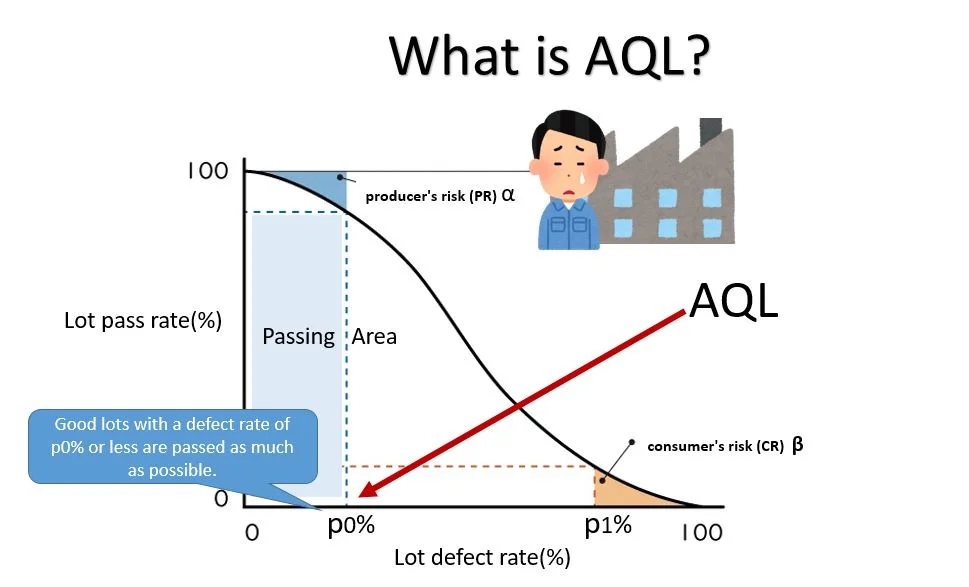
AQL inspection is standard and provides an objective methodology of checking a predetermined random sample and passing the entire batch based on whether the sample meets the acceptable quality level (e.g., 0 critical, 2.5 major, 4.0 minor defects per 100 units for consumer goods - AQL standards are set in accordance with the risk of product). It avoids sorting and allows a defined maximum level of “acceptable” non-conformities. Again, the AQL should be clearly communicated beforehand.
Compare Finished Product with Approved Sample
Your A-sample (the “golden sample”) represents the benchmark for how mass-produced goods must look like – especially when it comes to size, material, color, logo and functionality. It’s common for a supplier to send an excellent sample and use inferior materials for mass production. Make sure your purchase contract states that production MUST meet the quality standards of the sample (or at least not to exceed a certain level).
Review Photos, Videos and other Evidence of Inspection
A good report from inspector will show pictures or even videos of all defects, as well as cartons, packages, labels, function testing performed, etc. Even in case the goods pass, review these photos; they can indicate cosmetic issues of your product (e.g. Dents or scratches on highly visible parts), which can help to discuss future corrective actions, get discounts on current production, or at least understand if you will have issues after you receive the items at the end of the supply chain.
Conduct Container Loading Inspection (CLI)
If a manufacturer shipped a full container load via sea Freight, CLI could be the last check before departure. It can verify the containers themselves, the goods are correctly loaded, the shipping marks are accurate, and the load is packed safely and appropriately. This is usually performed on an additional fee by some product quality inspection service providers.
What To Do When Inspection Fails
When an inspection fails, the next step involves diagnosing the cause – did the product fail function tests, were the dimensions off, is the workmanship poor, or is it packaging and labeling? After that, you'll decide between options like reworking the affected products, replacing failed units, sorting out goods from bad, relabel products, negotiating price adjustments for damages, re-inspecting or outright rejecting the entire batch. Never ship products with critical defects even if they promised compensation later. Once the product has left their facilities, your leverage is significantly diminished.
How to Avoid the Most Common Product Inspection Mistakes
Inspection is too late (especially if the goods already have reached destination), your checklist is poorly developed, you rely on photos (especially at face value) taken by the supplier only, ignore the smaller aspects (like carton and labels) by concentrating only on appearance, skip defect standard agreements (AQL), think one inspection success guarantee you future reliability… etc.
Final Product Inspection Checklist
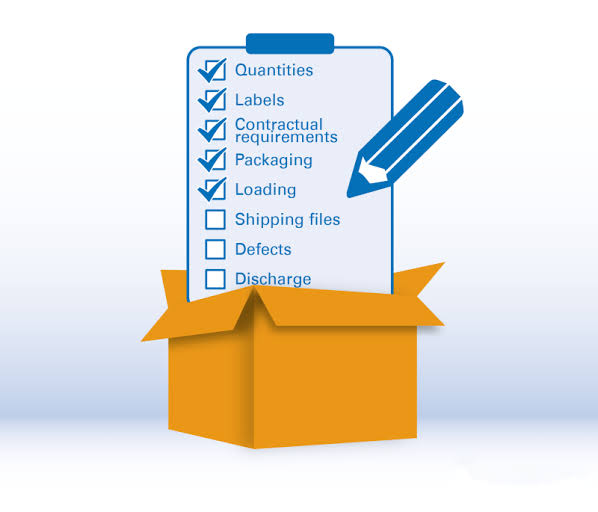
● PO conformity & quantity verification per SKU
● Conformity to the approved sample
● Correct material, size, and color
● Acceptance of workmanship
● Passing of function test (including accessories)
● Correct and appropriate packaging
● All labeling, marks, & compliance items are correct and verified.
● Carton and shipping marks conformity
● Meeting agreed AQL standards, No critical defects
● All documentary evidence and images reviewed & approved
● Balance payment made after passing all above check points.
Conclusion
The best method to be sure of the quality you are receiving is to utilize a standard and documented process to verify the product, not a handshake based on verbal commitments. Implementing a product inspection checklist may not save you any cost upfront, but it WILL cost significantly less than repairing/replacing an entire batch that doesn’t conform to your specifications post shipment. It demonstrates you are a serious professional and most good suppliers should be able to embrace it without any problem.