Why Importers Get Confused by Certification Claims
Every regulation has a different question to answer. RoHS asks "is this electronic equipment manufactured with the banned hazardous substances"; REACH asks "are the chemicals in this product regulated"; CE asks "did the product fall under EU harmonization legislation and if so did the marking proceed correctly"; FCC asks "Is the radio-frequency interference brought to bear lower than threshold limits in the US"; UL asks "Is this product complying with the recognized safety standards". One product can fully comply with one regulation and totally fail another, the question you should be asking is not "have I the certificates", but "which regulation affects this exact product in my market".
Quick Comparison: What Each One Covers
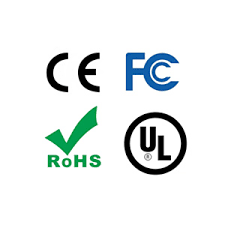
RoHS primarily concerns electrical/electronic goods within the EU and limits substances like lead, mercury and some flame retardants. REACH has a much wider scope that encompasses chemicals in everything from textiles and plastics to toys. The CE mark relates only to certain EU-regulated product categories, it is not a broad quality mark, and no central EU authority issues the 'right to use CE'.
● FCC covers radio-frequency equipment going into the US and requires the equipment to have been authorized for import.
● UL is a safety mark issued by a safety testing organization recognized under OSHA's NRTL scheme and is not a government-directed label.
● RoHS: Hazardous Substances in Electronics
● RoHS can impact on the sale of certain types of products, such as LED lights, chargers, or electronic toys-raising the question of whether restricted substances in the finished device are over the legal limits; not whether the product is operable. Importers need to ask for a RoHS report on this specific model with the accompanying test standards, date & lab name checked. Sometimes but unfortunately accept a report on a similar model with the plastic housing, plating or the solder altered after the test.
REACH: Chemical Compliance Beyond Electronics
REACH is also wide-ranging, covering textiles, jewelry, toys, furniture and packaging that may contain chemicals, coatings or surfaces of a coated product. The scope of Substances of Very High Concern (SVHCs) includes importers, and there is a limit of 0.1% weight, above which documented testing will be necessary. Check the precise contents of the material tested (for example the plastic, coating, fabric, adhesive) rather than a generic 'REACH compliant' statement, which is especially relevant for products that will contact skin or are suitable for children.
CE Marking: EU Conformity, not a Quality Certificate
CE marking is one of the most confusing marks in trade. It is only necessary for certain products within a directive (e.g. Toys, Medical Equipment, Machinery or Electric items). CE should not appear elsewhere.
A CE file consists of a Declaration of Conformity, test reports, technical files and all the notified body certification- where necessary- on higher risk products.
The EU has issued a warning that some voluntary certification bodies might issue certificates that are not legally correct for CE purposes. Suppliers claiming 'CE available' should be pushed for which directive applies and a full technical file.
FCC: U.S. Rules for Radio Frequency and Electronic Devices
FCC compliance is required for transmitting RF energy radiating devices such as RF based Bluetooth and Wi-Fi devices, wireless chargers and IoT devices - but is only concerned with emissions and interference, not overall safety. Importers are to establish if the device is an intentional or unintended radiator, and that the device is imported under the permitted-import state. Refused entry is a possible if requirements are not met. Documents being requested should be what the FCC ID/grant states, test reports and that the wireless module or antenna has not been modified since testing.
UL: Product Safety Certification and Market Acceptance
UL refers to electrical safety and fire risk. Check the UL Solutions product IQ database. It is not always legally necessary, but retailers, insurance companies or marketplaces may expect it. Importantly a UL power supply may not mean your finished product is UL listed be sure to check the file number, the model and if the certification applies to the component or the final product.
How These Requirements Overlap
According to what you sell, the requirements pile up: With a Bluetooth speaker sold in the EU, you may need your CE, RoHS, REACH and battery regulations satisfied all at once (as well as the usual) but with it sold in the U.S., you may need to worry about FCC, the transport paperwork for the batteries, perhaps NRTL, etc. etc. Non-elect member electronic products such as kitchen roll-overs may not need the FCC and RoHS (and maybe even not the CE) but would at least require a review on food-contact or REACH regulations. Not about obtaining whatever certificates, but just about putting together a product-specific compliance map.
How to Verify Supplier Certificates and Test Reports
Certificates count only if they match the exact product, factory, and market. Otherwise, Buyer should verify Model number, Factory name, test standard, test date, samples or full products. Such as Company name mismatch, "Test date after 1990" which means out of date, Quantity and resolution of report, "All products have same certificates" found by supplier.
What to Ask a Chinese Supplier Before Ordering
"Particular questions-rather than general ones-help differentiate these earnest suppliers from those who are just looking after certificates to boost sales. For example, 'which tests do we need to do and to what standard,' 'have the materials evolved since we last tested,' 'who bears the cost of any rejected compliance tests,' 'do the various factory names on the paperwork actually correspond with the production factory."
Common Mistakes Importers Should Avoid
Common mistakes are: making a through discount of the five symbols and showing that they are not interchangeable, and that even if they were the importer cannot escape legal exposure by use of the suppliers certificate, asking for CE that's are not entitled to, depending on component certificates to pass projects finished-products, forgetting to control the movements of changes in materials during the process that may invalidate all tests conducted to date.
A Practical Compliance Workflow for Importers
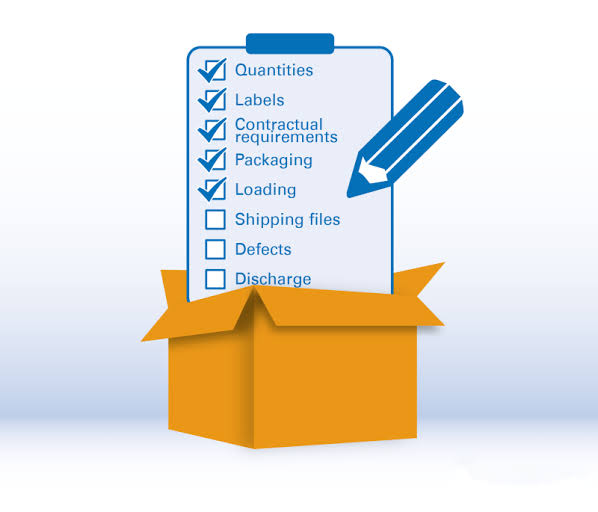
A series of steps can be taken which will greatly facilitate the transfer from product design into production. These include setting out the end destination; determining the product classification; identifying the list of applicable requirements; conducting diligent documentary checks on suppliers; conducting early testing ahead of mass production where the risks justify so doing; incorporating appropriate compliance terms in purchase order; examination of labels and packaging before shipment; and record keeping.
Conclusion
RoHS, REACH, CE, FCC, UL are all very different tools for very different risks-not interchangeable safety assurances. The safest strategy is not to obtain the most certificates, but first, to accurately determine which are needed, then check them thoroughly, manage all manufacturing changes to keep the product in compliance, and keep a comprehensive dossier ready for an inspector, a customer, or an inquisitor.