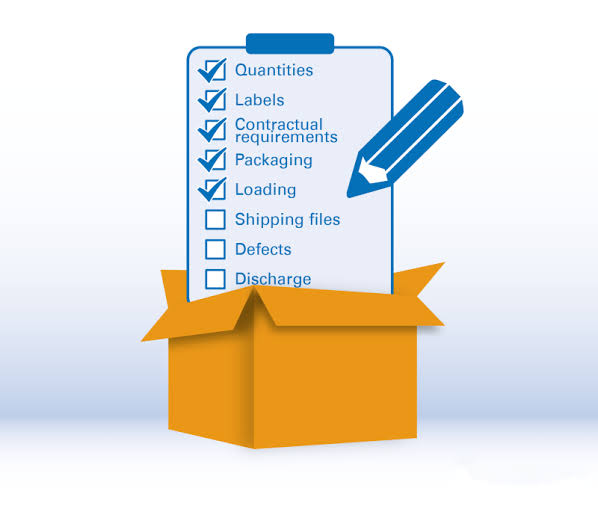
Summary of Customs Duties and Costs for Purchasing from China
When buying goods from China into Japan, customs duties and related fees apply. The key points are summarized below.
① The amount of customs duties depends on the product price and the applicable duty rate.
② The importer is responsible for paying customs duties and related fees to Japanese customs.
③ A customs broker calculates the customs duty amount and files the declaration.
After that,
a. The customs broker pays the amount on behalf of the importer and collects the payment upon delivery of the goods
b. The customs broker issues an invoice, and the goods are delivered after the importer makes payment
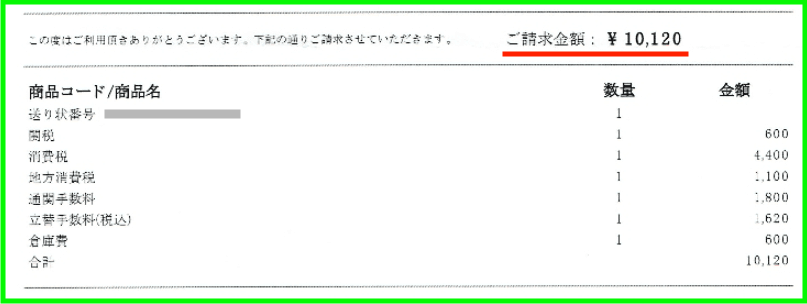
Customs duties and related costs include: customs duties, consumption tax, local consumption tax, customs clearance fees, advance payment fees, and warehousing fees.
Other costs may apply depending on the situation.
It may seem complicated at first glance, but it’s actually very simple.
1: Place an order for the goods with a Chinese import agent.
2: Wait for the customs broker to contact you, then pay the customs duties and related fees.
These are the only two steps the importer needs to take.
Here is an example of an actual invoice from HubBuyer, a Chinese import agent (image partially edited).
This invoice reflects the amount paid in advance by the customs broker and collected via cash on delivery once the goods were delivered to the business.
For FBA direct shipping, the process and billing typically follow the steps below.
① The goods arrive at Japanese customs
② The customs broker declares customs duties based on the invoice and determines the tax amount (the invoice is issued by HubBuyer)
③ The customs broker sends an invoice for customs duties and related fees to the importer
④ Once payment is confirmed, the customs broker retrieves the goods from customs and ships them to the FBA warehouse
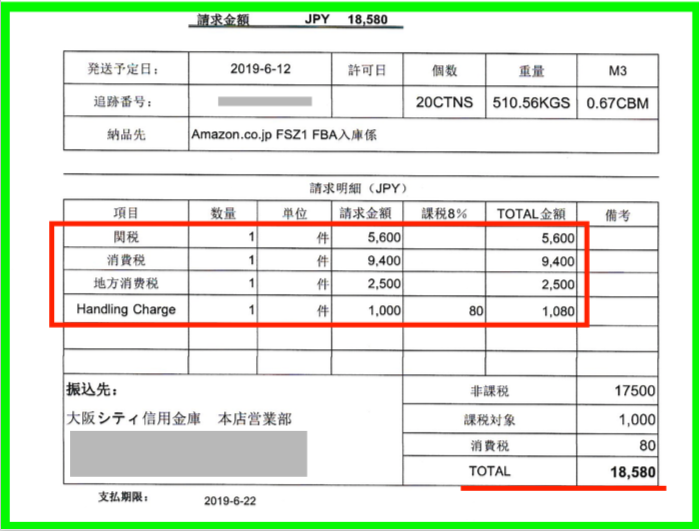
While the process may vary in some cases, it generally follows the steps above.
Some customs brokers send the invoice by mail after the goods have been delivered to you.
When calculating the cost of goods, it’s a good idea to keep in mind whether or not you’ve paid customs duties.
Additionally, for personal imports, customs duties, consumption tax, and local consumption tax are exempted for small amounts (exceptions apply).
Please check the Customs website for more detailed information.
You can also contact us by phone or email.
http://www.customs.go.jp/index.htm