Quick Comparison: Alibaba vs AliExpress
| Feature | Alibaba.com | AliExpress |
| Main purpose | B2B sourcing & wholesale purchasing | Global retail marketplace for consumers |
| Typical order size | Medium to large (bulk/MOQ-based) | Small orders, single items, low MOQ |
| Best for | Private label, OEM/ODM, wholesale, repeat procurement | Sampling, small purchases, quick product tests |
| Customization | Common (logo, packaging, OEM/ODM) | Limited (some sellers offer light customization) |
| Pricing | Lower per unit at scale; negotiation-based | Higher per unit; more “retail-like” pricing |
| Shipping workflow | You usually arrange freight (EXW/FOB/CIF/DDP) | Often built-in cross-border shipping options; “Choice” programs in some regions |
| Buyer protection | Trade Assurance for eligible orders paid on-platform | Platform dispute/refund flows; “Choice” may include free returns/guarantees in some markets |
7 Key Differences That Matter for Importers
1、Target Buyer Categories: Business Procurement vs Consumer Shopping
Alibaba.com is designed to suit business wholesale buyers sourcing from suppliers and manufacturers. These target buyers are often of the category which typically places wholesale/bulk orders and deal in long-term trade.
AliExpress on the other hand holds its position as a world known retail platform, set up to make it easier for the placing of international retail orders from consumers to sellers with the capacity of shipping to multiple countries.
2、 MOQ & Pricing: Alibaba Wins for Wholesale, AliExpress Wins for Retail.
● Alibaba often presents to you product MOQs, unit price tiers and negotiation opportunities.
● AliExpress often presents to you a 1 piece (or a really small product quantity) but unit prices would be typically higher.
3、 Customization & Private Labelling: Alibaba Is The Default Choice
Should you need:
● Customised fabrics/material specifications.
● Product logo printing/embroidery.
● Customised product package hangtags, barcodes and inserts.
● OEM/ODM product manufacturing.
Alibaba would be the better fit when it comes to product customization and private labelling because it deals largely with B2B online marketplace manufacturers, suppliers, exporters and importers from all over the world.
4、 Supplier/Buyer Relationship: Alibaba Is “Build A Vendor,” AliExpress Is “Buy A Product”
Alibaba functions with all interest focused on building a reperformable supply chain (samples → production → inspection → reorder).
AliExpress is closer to a marketplace shopping workflow: Choose a product, place an order, make a payment and track delivery.
5、 Quality Control: Alibaba Offers Standard QC Services, AliExpress Offers Regular QC Services.
On Alibaba, orders are way easier to systematize. it’s normal to
● Validate a “golden sample”.
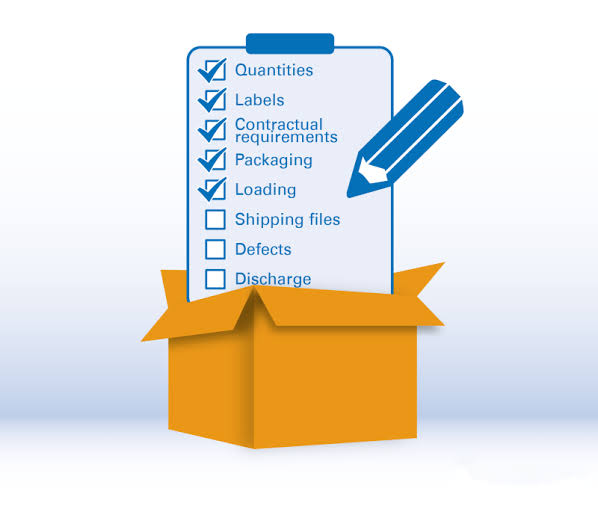
● Execute pre-shipment inspections.
● Make use of contracts/spec sheets and acceptance criterias.
On AliExpress, quality control entails:
● Supplier store ratings + product photo reviews.
● Pre-purchase sample testing orders.
● Picking suppliers with clear return options (where available).
6、 Shipping & Logistics: AliExpress Is More Plug-and-Play
AliExpress has been built to enhance international retail buying and the Alibaba Group describes AliExpress services as “Choice Friendly Services” which potencially include delivery guarantees and free returns in some markets.
Alibaba purchases on the other hand often demand that you plan freight terms (EXW/FOB/CIF/DDP) and coordinate product consolidation/forwarding—more work but better for scaling.
7、 Buyer Protection: Trade Assurance vs Retail-Style Disputes
Alibaba.com offers Trade Assurance for eligible orders placed and paid for on-platform—handling key issues like shipment delays or product quality/specifications which do not match the agreement.
On the flip side, AliExpress has regular platform disputes/refund flows, and in some regions “Choice Friendly Services” requires additional consumer protection like refunds and guarantees.
Which Of Both Platforms Would Be A Suitable Choice?
Choose Alibaba if you are interested in:
● Creating a brand (private label / OEM / ODM).
● Making bulk orders or planning repeat orders.
● Purchasing from various suppliers and consolidating shipments.
● Interested in QC inspections and reperformable production workflows.
Choose AliExpress if you are interested in:
● Trying out products with low MOQ.
● Purchasing for personal use or small trials and product discoveries.
● Requiring a quicker “checkout → international delivery” flow.
● In cases of carrying out beginning-stage market studies before moving to bulk.
Practical Buying Tips (So You Don’t Get Burnt)
If you choose to make your purchases on Alibaba.com:
1. Submit an RFQ with (specs + quantity + destination + Incoterms) to the supplier.
2. Request for supplier samples and confirm the “golden sample” from received samples.
3. Ensure you negociate for Trade Assurance with suppliers where possible.
4. Ensure supplier provides you with pre-shipping inspection services before final payment.
5. Ensure you do a proper calculation of total cost (product + freight + duty + local fees).
If you buy on AliExpress
1. Only purchase 1–2 test units first (especially for clothing/shoes).
2. Choose suppliers with quality photo reviews and clear shipment lead times.
3. Avoid copying branded products (due to copyright laws & platform risk)
4. Prioritise products and regions where returns are clearly guaranteed. (e.g., Choice, where applicable)
FAQ
Are Alibaba and AliExpress the same company?
These are two different platforms under the Alibaba Group. Alibaba.com is positioned as the B2B trading platform, while AliExpress is positioned as the B2C global retail platform.
Can I use AliExpress for wholesale?
On AliExpress, you can buy various units of a variety of products but it’s usually not the best way to negotiate OEM/ODM prices, packaging requirements and stable product supply and re-ordering. Use AliExpress for sample trials, and market demand testing. When you are test/trial-sure and attempt-ready, then move to Alibaba to ease scaling of your business.
What’s the best path for e-commerce sellers?
A common path is: AliExpress for testing and Alibaba for scaling (bulk buying + branding + repeat supply.)