Why product sourcing matters on AliExpress

AliExpress is highly competitive. Thousands of sellers may offer similar products, which means the difference between a successful store and a struggling one often comes down to sourcing quality and operational control.
Good sourcing helps you:
● maintain better profit margins
● reduce refund and dispute rates
● improve delivery performance
● keep product quality more consistent
● respond faster when market demand changes
● build a store customers trust
Poor sourcing creates the opposite result. Even if you attract traffic, low product quality, stock instability, misleading specifications, and delayed shipping can damage your store quickly.
Understand what kind of seller you want to be
Before sourcing any product, define your business model clearly. Not every AliExpress seller operates the same way.
1. Low-cost volume seller
This model focuses on competitive pricing and high order volume. It usually requires stable factories, lean margins, and efficient order fulfillment.
2. Niche brand-oriented seller
This model focuses on a specific category such as beauty accessories, pet products, home organization, or travel gear. The goal is not to sell everything, but to build authority in one niche.
3. Private label or semi-custom seller
This approach uses standard products with custom packaging, logo printing, bundle creation, or minor design changes. It helps reduce direct price competition.
4. Trend-driven seller
This model follows fast-moving product demand. It can generate quick wins, but it also carries more risk because trend products often have short life cycles.
Your sourcing strategy should match your model. A volume seller may prioritize factory capacity and logistics speed. A niche seller may care more about design consistency and product presentation. A private label seller must pay attention to customization capability and packaging quality.
How to choose the right product category
Choosing a product category is the foundation of sourcing. Many sellers fail because they start with products that are too generic or too risky.
A good AliExpress product category usually has these characteristics:
● stable or recurring demand
● manageable shipping size and weight
● low defect rate
● clear product function
● room for margin after platform costs and shipping
● limited compliance risk
● opportunity for variation, bundling, or branding
Examples of commonly attractive categories include home accessories, small electronics accessories, beauty tools, kitchen organizers, travel accessories, pet products, stationery, and lifestyle goods.
Be more cautious with categories such as medical-related products, children’s products, electronics with high return risk, or regulated items that may require testing, certification, or special import compliance.
Where to source products for AliExpress selling
There is no single perfect source. Different sellers use different channels depending on order volume, language ability, and level of control needed.
Factories
Working directly with a factory can offer better pricing, better control, and more customization opportunities. This is ideal if you already have order volume or want to build a long-term product line.
However, not every factory is suitable for small sellers. Some factories have high minimum order quantities or limited communication ability.
Trading companies
Trading companies can be useful if you want flexibility, multiple product types, and easier communication. They often help consolidate sourcing across categories.
The downside is that their pricing may be higher than direct factory pricing.
Wholesale marketplaces
Platforms such as 1688, Alibaba, and other sourcing directories are common starting points. They help you compare suppliers quickly and identify market price ranges.
These platforms are especially useful for:
● checking product variety
● understanding wholesale pricing
● comparing factory claims
● discovering packaging and customization options
Sourcing agents
A sourcing agent can help you find suppliers, compare quotes, inspect products, manage negotiations, arrange packaging, and coordinate shipping. This is especially valuable if you want access to better domestic pricing in China but do not speak Chinese or do not want to manage multiple suppliers by yourself.
For many international sellers, a sourcing partner helps reduce mistakes during the early stage of growth.
How to evaluate suppliers properly
Do not choose a supplier based only on the lowest quotation. Low price often hides problems such as unstable materials, inaccurate specifications, poor packaging, or weak after-sales support.
A better supplier evaluation process includes the following steps.
Check product consistency
Ask for real product photos, videos, packaging details, material specifications, and size information. A professional supplier should be able to provide clear answers instead of vague promises.
Review production capacity
Can the supplier handle both your current volume and future growth? A supplier that is fine for 100 units may fail when you scale to 5,000.
Confirm minimum order quantity
Some suppliers accept low MOQs for testing, while others only support large runs. Make sure their MOQ matches your business stage.
Test communication quality
Fast and accurate communication matters. A supplier who responds slowly or vaguely before you pay usually will not become better after payment.
Ask about customization
If you plan to build a more defensible business, ask whether the supplier supports logo printing, custom packaging, inserts, bundles, or small product modifications.
Verify quality control process
Ask how the supplier checks products before shipment. Do they inspect materials, assembly, packaging, or function? A mature supplier should have a standard process.
Evaluate shipping support
A good supplier should understand export packing, documentation, and delivery timelines. Shipping problems can destroy your customer experience even when the product itself is fine.
Order samples before you commit
Never skip sampling if you care about long-term results. Product photos and supplier claims are not enough.
A sample order helps you evaluate:
● build quality
● actual color and finish
● packaging standard
● ease of use
● functionality
● durability
● accuracy versus listing description
When checking samples, think like a real customer. Ask yourself:
● Does this product feel worth the selling price?
● Would I be confident listing it at scale?
● Is the packaging good enough for international delivery?
● Are there obvious quality issues that may lead to complaints?
If possible, compare samples from two or three suppliers before deciding.
Price is important, but margin structure is more important
Many sellers focus only on the unit price. That is a mistake. You need to understand total landed cost and selling margin.
Your true cost includes:
● product unit cost
● domestic shipping in China
● packaging cost
● labeling or branding cost
● inspection cost
● international shipping or fulfillment cost
● platform fees
● refund or defect allowance
● marketing cost if applicable
A product that looks cheap at first may become unprofitable after all costs are included. On the other hand, a slightly more expensive supplier may actually be more profitable because they offer better quality, fewer defects, and better packaging.
Always calculate margin before listing.
Avoid common sourcing mistakes
Chasing only viral products
Trend products may generate quick attention, but many are oversaturated, copied quickly, or difficult to sustain.
Ignoring quality issues
A product with a high defect rate will create disputes, low ratings, and wasted time.
Listing too many products too early
It is better to manage a smaller set of better products than a large number of poorly controlled listings.
Failing to check compliance
Some products require certifications, warnings, specific labeling, or restricted-material control in certain markets. Do not assume every product is safe to sell everywhere.
Relying on one supplier only
Even when you find a strong supplier, it is smart to have backup options for best-selling items.
Accepting unclear specifications
Misunderstandings about size, material, color, voltage, or accessories can create serious problems after the product reaches buyers.
Build a sourcing workflow that can scale
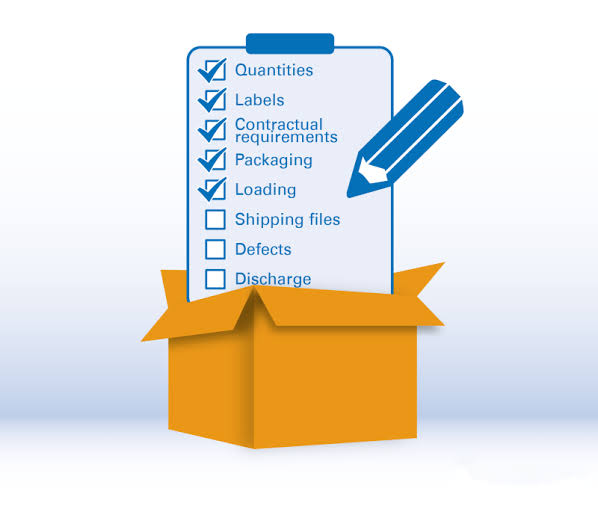
Professional sourcing is not random. It follows a repeatable process. A practical sourcing workflow for AliExpress sellers can look like this:
Step 1: Product research
Identify categories with demand, manageable competition, and healthy margins.
Step 2: Supplier shortlist
Find several possible suppliers and compare price, quality, MOQ, communication, and customization ability.
Step 3: Sample testing
Order samples, review build quality, packaging, and overall customer experience.
Step 4: Cost analysis
Calculate full sourcing and fulfillment cost, then set your target selling price and margin.
Step 5: Trial order
Place a small batch order first to test production consistency and delivery reliability.
Step 6: Quality inspection
Check products before bulk shipment whenever possible.
Step 7: Listing optimization
Create accurate descriptions, clear images, and honest specifications to reduce disputes.
Step 8: Ongoing supplier management
Track product quality, lead time, return issues, and communication performance over time.
This system makes your business more stable and easier to scale.
How to stand out when many sellers offer similar items
AliExpress is competitive, so simply sourcing the same product as everyone else is rarely enough. You need differentiation.
Here are practical ways to stand out:
● improve packaging quality
● offer bundles instead of single items
● create clearer product instructions
● provide better size charts or usage guidance
● choose higher-grade materials
● source color variations others ignore
● add logo or insert cards for stronger identity
● focus on a narrower niche and serve it better
Even small sourcing improvements can help your store feel more trustworthy and professional.
Quality control is a profit tool, not an extra cost
Some sellers see inspection as optional. In reality, quality control protects your profit.
A simple quality control process can reduce:
● customer complaints
● negative reviews
● product returns
● wasted ad spend
● emergency replacement costs
● store reputation damage
For small orders, supplier self-checks may be enough if the supplier is reliable. For larger or customized orders, third-party inspection becomes much more valuable.
The more your business grows, the more important quality control becomes.
Logistics and sourcing should be planned together
A product is not truly sourced until it can be delivered well. Some sellers choose products without thinking about shipping complexity.
Before committing to a product, ask:
● Is the item fragile?
● Is it oversized or unusually heavy?
● Does it contain batteries, liquid, magnets, or restricted materials?
● Will packaging survive cross-border delivery?
● Is the shipping cost reasonable compared with selling price?
Sourcing and logistics should always be connected. A great product with poor shipping economics can still become a bad business decision.
When to use a sourcing agent
A sourcing agent is especially useful when:
● you want access to Chinese domestic supplier pricing
● you want help communicating with factories
● you need multi-supplier coordination
● you want product inspection support
● you want custom packaging or private label help
● you want to reduce sourcing mistakes and save time
For growing AliExpress sellers, an experienced sourcing partner can simplify supplier selection, negotiation, product quality control, and shipping coordination.
Final thoughts
AliExpress success does not come from finding one cheap product. It comes from building a sourcing system that balances price, quality, consistency, shipping, and supplier reliability. Sellers who take sourcing seriously are better prepared to handle competition, reduce disputes, and grow profitably.
In 2025, the most effective AliExpress sellers are not just listing products quickly. They are choosing products carefully, testing suppliers thoroughly, managing quality closely, and building supply chains that support long-term growth.
If you want to sell more successfully on AliExpress, start by sourcing smarter.
FAQ
Is it better to source directly from factories?
It depends on your volume and experience. Factories can offer better pricing and customization, but trading companies or sourcing agents may be more flexible for smaller sellers.
Should I always choose the lowest-priced supplier?
No. The cheapest supplier may create higher total costs through defects, delays, poor packaging, or weak communication.
How many suppliers should I compare before choosing one?
Comparing at least three is usually a smart starting point. This gives you a better view of pricing, quality, and service differences.
Can beginners use sourcing agents?
Yes. In many cases, beginners benefit from sourcing agents because they help reduce language barriers, supplier risk, and operational mistakes.
What matters more: product price or quality?
Both matter, but stable quality often has a bigger impact on long-term success because it protects reviews, conversion, and customer trust.