Why Plumbing Product Sourcing Needs Extra Care

Plumbing products often come into direct or indirect contact with water systems, which means sourcing decisions must go beyond basic cost comparison. NSF states that NSF/ANSI 61 covers products and materials that come into contact with drinking water, and NSF’s plumbing product resources note that fixtures, fittings, and components may need certification for market acceptance and plumbing code compliance in North America. Thomasnet supplier pages also highlight filters such as certifications and capabilities, which matters when buyers need dependable industrial suppliers rather than only low-cost listings.
For importers and distributors, this means a sourcing mistake can affect not only product performance but also customer trust, project timelines, and market access. A pipe fitting with the wrong thread standard, a faucet with incomplete drinking-water compliance, or a supplier who cannot keep mass production consistent may create costly returns and warranty issues. Alibaba’s official plumbing materials guides specifically mention common procurement risks such as mismatched standards, unclear specifications, and unverified compliance claims.
Alibaba.com
Alibaba remains one of the most widely used B2B platforms for sourcing plumbing materials from China. Its official buyer guides for plumbing supplies and plumbing material imports focus on supplier screening, technical specifications, delivery capability, and certification verification. This makes Alibaba a strong choice for international buyers who want access to a large supplier base across faucets, valves, fittings, plastic piping systems, brass components, and OEM plumbing accessories.
Alibaba is especially useful for buyers who want to compare multiple Chinese suppliers quickly, negotiate MOQs, explore private-label opportunities, or source different plumbing categories in one place. The main advantage is choice. The main challenge is that large supplier volume also means more screening work. Buyers still need to confirm whether a supplier is a true factory, a trading company, or a mixed operation. They should also verify testing documents, production experience, and communication speed before moving into sampling or bulk orders. Alibaba’s own sourcing content recommends checking thread compatibility, material type, and performance claims rather than relying only on product titles or listing photos.
Global Sources
Global Sources is a strong option for buyers who prefer a more export-oriented sourcing environment. Its official platform positioning emphasizes connecting buyers with verified wholesale suppliers, and it maintains dedicated plumbing material supplier listings. For buyers who care about supplier credibility, export readiness, and a more curated marketplace experience, Global Sources can be a practical alternative to larger open-ended marketplaces.
This platform is often well suited to medium and large buyers, sourcing teams, and importers who want suppliers that already understand international packaging, quotation structure, and long-term distributor requirements. In plumbing categories, that matters because repeat orders often depend on stable specifications, documentation support, and clear communication about materials and standards. Global Sources can be particularly useful when the buyer’s goal is not only to find the cheapest supplier, but to identify suppliers prepared for cross-border business.
Made-in-China.com
Made-in-China is another important B2B sourcing platform for plumbing product buyers, especially those who want to compare more technical manufacturing categories. Its plumbing materials and plumbing manufacturer listings include products such as brass fittings, PEX pipe, PPR pipe, PVC fittings, and related components, and supplier profiles often show business type plus OEM and ODM capability.
For buyers who already know what they need, Made-in-China can be highly useful. If you are sourcing according to exact product specifications, such as connection type, pipe structure, material grade, temperature resistance, or application scenario, the platform can support a more technical comparison process. It is especially suitable for wholesalers, project buyers, and procurement teams that are comfortable doing deeper vetting on their own and want to compare factories across multiple plumbing product segments.
Thomasnet
Thomasnet is different from the China-focused platforms above. It is positioned as a North American product sourcing and supplier discovery platform for procurement professionals, engineers, and industrial buyers. Its supplier search covers fittings, pipe fittings, plumbing equipment, and related industrial categories in the United States and Canada. Thomasnet also highlights the ability to evaluate suppliers based on products, services, and capabilities, and some supplier pages include certification filters.
For plumbing sourcing, Thomasnet is especially valuable when local supply, shorter lead times, North American familiarity, or easier after-sales coordination matters more than offshore unit pricing. Contractors, commercial project buyers, facility teams, and distributors often benefit from domestic or regional supplier discovery rather than a purely import-based strategy. If your business needs dependable North American partners for plumbing fittings or equipment, Thomasnet is one of the strongest channels to consider.
HKTDC Sourcing
HKTDC Sourcing is a useful platform for buyers who want to discover plumbing fitting and pipe fitting suppliers through a more trade-network-oriented channel. Its supplier and product search pages show plumbing fitting categories and position the platform as a place to find credible suppliers, traders, manufacturers, vendors, and service providers.
This makes HKTDC a practical option for importers who want focused supplier discovery across Hong Kong, Mainland China, and broader Asian networks without relying only on large-volume listing marketplaces. It can work well for buyers who want another sourcing channel to cross-check suppliers, compare options, or submit RFQ-style inquiries in a more curated environment.
HubBuyer
While B2B marketplaces are excellent for discovering suppliers, many buyers still face difficulties during the actual sourcing process. Finding a supplier is only the beginning. Real procurement success depends on supplier screening, product confirmation, factory communication, quality control, order follow-up, and logistics execution. That is where HubBuyer stands out.
HubBuyer: Your One-Stop Chinese Sourcing Agency Service Platform helps global clients seamlessly connect with China’s premium supply chains. It offers comprehensive support from supplier screening and quality control to logistics fulfillment, helping overseas buyers source products more efficiently and with less risk. For importers who do not have a local team in China, HubBuyer can serve as a practical bridge between online supplier discovery and real-world procurement execution.
HubBuyer is especially useful for:
● buyers who want end-to-end sourcing support in China
● importers with limited local supplier management experience
● businesses that want more efficient factory communication
● companies that need better quality control and shipment coordination
● buyers looking for a more worry-free sourcing process
For plumbing product sourcing, this added support can be particularly valuable. Plumbing buyers often need help checking supplier capability, confirming specifications, reviewing certifications, monitoring production quality, and arranging smooth delivery. In this sense, platforms like Alibaba, Global Sources, and Made-in-China help buyers find suppliers, while HubBuyer helps buyers manage the sourcing process successfully.
How to Choose the Right Platform for Plumbing Product Sourcing
The right sourcing channel depends on your goal.
If you want the largest range of China suppliers and flexible OEM options, Alibaba is usually the best place to start. If you prefer a more export-oriented marketplace with verified supplier positioning, Global Sources is a strong choice. If your team wants more technical product comparison and manufacturer-focused listings, Made-in-China is worth serious consideration. If you need North American suppliers, Thomasnet is the more suitable route. If you want a curated trade-network sourcing channel in Asia, HKTDC can be a good complement. And if you want hands-on sourcing support beyond supplier search, HubBuyer offers a more service-driven solution.
In practice, many serious buyers use more than one channel. They may discover suppliers on Alibaba or Global Sources, compare factory capability through another platform, and then rely on a sourcing partner to manage inspections, communication, and logistics. This hybrid approach often reduces risk and improves order quality, especially for plumbing products with tighter technical and compliance requirements.
What Buyers Should Verify Before Placing a Plumbing Order
Before placing a bulk plumbing order, buyers should verify the exact material, connection standard, application, and certification status of each product. Alibaba’s sourcing guides specifically warn about mismatched standards such as BSPT and NPT, and recommend careful checks on product specs, supplier records, and compliance documentation.
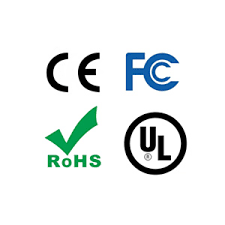
For products intended for drinking water systems, certification can be especially important. NSF states that faucets and plumbing products intended for contact with drinking water should be tested and certified to NSF/ANSI Standard 61, and its certification resources cover fittings, components, and piping system products used for potable water applications.
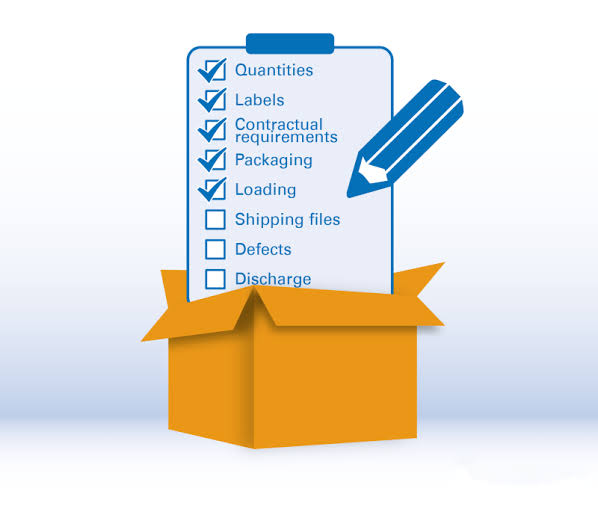
Buyers should also compare approved samples against mass-production expectations. Finish quality, dimensions, packaging, logo placement, pressure ratings, and material consistency should be confirmed in writing before production begins. The lower the clarity at the sample stage, the higher the risk during mass production and final delivery. Alibaba’s official guidance repeatedly stresses structured supplier evaluation and specification confirmation before import orders move forward.
Final Thoughts
The best B2B platform for plumbing product sourcing in 2025 depends on what you value most: supplier volume, technical comparison, export readiness, regional sourcing, or execution support.
Alibaba is strong for broad supplier discovery and OEM flexibility. Global Sources is useful for buyers who want a more export-oriented supplier base. Made-in-China works well for technical category comparison. Thomasnet is ideal for North American supplier discovery. HKTDC is a practical option for curated supplier search in Asia. And for buyers who want a more efficient, end-to-end sourcing experience in China, HubBuyer adds value by supporting supplier screening, quality control, and logistics fulfillment.
In the plumbing industry, success does not come from finding the most suppliers. It comes from finding the right suppliers, verifying the right standards, and controlling sourcing risk before goods reach your warehouse or your customer. That is the difference between a simple online inquiry and a truly scalable sourcing strategy.
FAQ
What is the best B2B platform for plumbing product sourcing?
There is no single best option for every buyer. Alibaba is often the strongest starting point for China sourcing, while Thomasnet is better for North American supplier discovery, and HubBuyer is useful when buyers want managed sourcing support rather than only supplier listings.
Is HubBuyer a B2B marketplace?
HubBuyer is better described as a sourcing agency service platform rather than a pure marketplace. It focuses on helping buyers manage supplier screening, quality control, and logistics throughout the sourcing process.
Why is plumbing sourcing more complicated than general product sourcing?
Because plumbing products may involve material compatibility, pressure performance, water-contact compliance, thread standards, and tighter quality consistency requirements than many ordinary consumer products.
What should I check before importing plumbing products from China?
You should confirm material type, thread standard, product specifications, applicable certifications, packaging requirements, and consistency between sample approval and bulk production.