What is B2B sourcing?
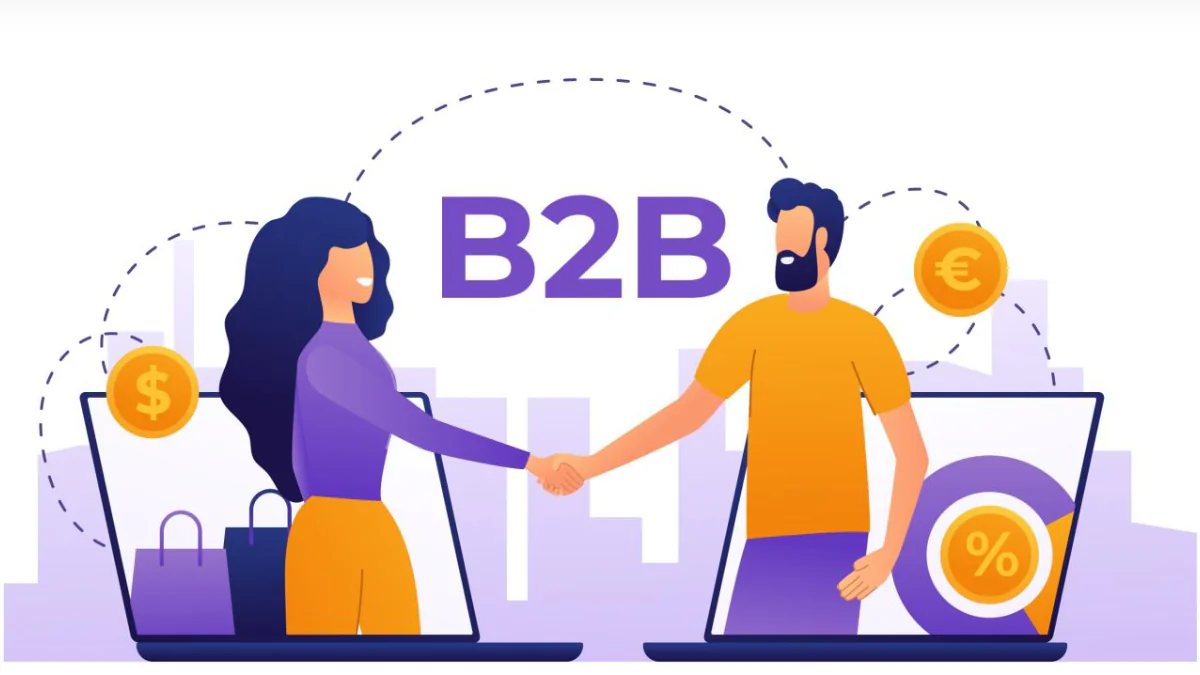
When one business buys goods or services from another business, it's called B2B sourcing. This is usually done for:
●Selling again (wholesale or retail).
●Making things (parts, raw materials, and packaging).
●Operations (IT services, logistics, and equipment).
Some of the things it includes are:
●Finding and qualifying suppliers.
●RFQs and comparing quotes.
●Making deals and negotiating.
●Checking samples and specifications.
●Quality control (QC) and checking.
●Planning for logistics and filling out customs forms.
●Managing supplier performance and placing new orders.
In short, B2B sourcing is a system, not just a one-time purchase.
Why Buying for Business Is Different from Buying for Yourself
1、 Large amounts and different price levels
The minimum order quantity (MOQ), the cost of materials, the complexity of production, and the frequency of orders all have a big impact on B2B pricing. A higher MOQ or longer lead time is often linked to the "lowest unit price."
2、 More responsibility for quality and compliance
If you order 10,000 units, a defect rate that looks "small" can add up to a lot of money. Also, many markets need compliance documents and correct labeling.
3、 More complicated paperwork and logistics
Shipping between businesses (B2B) usually includes packing lists, commercial invoices, HS codes, certificates, and sometimes planning for containers.
4、 Relationships with suppliers that last a long time
Most of the time, B2B sourcing is repeat business. Stability of suppliers is more important than one-time discounts.
Common Ways to Source From B2B
1、 Sourcing directly from the factory
You buy directly from the people who make things.
Best for: Long-term procurement that can grow, better margins, OEM/ODM.
Pros: Better control and lower cost when buying in bulk.
Cons: Needs better quality control and supplier management..
2、 Companies that trade
A trading company gets goods from factories and handles communication and consolidation.
Best for: buyers who need a mix of categories or want to do less work,
Less openness, more money spent.
3、 Online Platforms for B2B
Helpful for finding products and making a list of potential suppliers.
Best for: Doing initial research and making a long list.
Risk: Still need to check and do quality control.
4、 Places to buy and sell in bulk
Helpful for quickly comparing different products, especially consumer goods.
Best for: Getting a variety of products, trendy items, and mixed SKUs.
Risk: Quality levels are different and many suppliers are traders.
5、 Agents for sourcing or procurement
Local teams that help with finding suppliers, negotiating, quality control, consolidating and coordinating shipping.
Best for: International buyers who have to deal with a lot of suppliers or complicated orders.
Advantage: Lowers risk and saves time.
Models for B2B Sourcing Strategies
One Source
One supplier for each line of products.
Pros: Easy to manage, strong bond.
Cons: High risk if the supplier doesn't come through.
Two Sources
Two qualified suppliers for each key SKU.
Pros: Backup supply, better bargaining power.
Cons: Needs a spec lock and control over consistency.
Multiple Sources
Many suppliers in many categories.
Pros: Adaptable, works well with many SKUs.
Cons: More difficult to coordinate.
For most businesses, the best thing to do is:
●Getting best-sellers from two sources.
●Getting multiple sources for long-tail SKUs.
The B2B Sourcing Process in Steps
Step 1: Set Requirements (Spec and Business Goals)
Before you call suppliers, make sure you know:
●Specs (materials, sizes, tolerances).
●Target unit cost and total cost of landing.
●Minimum order quantity (MOQ) and how often you expect to place an order.
●Need for lead time.
●Needs for packaging and labeling.
●Documents that show you are following the rules for your market.
This stops "incomplete quotes" and confusion.
Step 2: Find suppliers and make a long list
Make a long list of 10 to 30 suppliers from different sources, then cut it down.
Step 3: Check the Supplier's Qualifications
●Type of supplier (factory or trader).
●Legitimacy (address, license).
●Size and tools.
●Experience with exporting.
●QC process (incoming, in-process and final).
●How fast the response is and how clear the documentation is.
Step 4: Compare Quotes and RFQs (Standardized)
Use a standard RFQ template to make sure all quotes are the same:
●Levels of unit price.
●Minimum Order Quantity.
●Time to lead.
●Cost of packaging.
●Terms of payment.
●Policy on defects and warranties.
●Terms of shipping (EXW/FOB/CIF/DDP).
Step 5: Spec Lock and Sampling
Sampling is a step in the process of control:
●Give the samples your approval.
●Make a spec sheet and send it in writing.
●keep a reference for a "golden sample".
●Set rules for controlling change.
Step 6: Making a deal and signing a contract
Talk about more than just price:
●Promise of lead time and penalties.
●Handling defects (credit, replacement, or refund).
●Extra parts for risky products.
●Improvements to the packaging.
●Terms of payment and stable currency.
●OEM owns the tools.
Step 7: Check for quality and do an inspection
Define QC in terms of risk:
●Simple checks for products with low risk.
●Most orders are checked before they are shipped.
●Checking on orders that are high-risk or complicated while they are being processed.
●Supervision of loading for container shipments.
Step 8: Paperwork and logistics
Make sure the papers are correct:
● Invoice for business.
●List of things to pack.
● Codes for HS.
●Certificates (if necessary).
●Marks and labels on cartons.
●Shipping plan based on how urgent it is and how much it costs.
Step 9: Managing the performance of suppliers
Keep an eye on supplier performance KPIs:
●Rate of on-time delivery.
●Rate of defects and claims.
●Speed of communication.
●The accuracy of the paperwork.
●Stable prices.
This makes B2B sourcing a system that can grow.
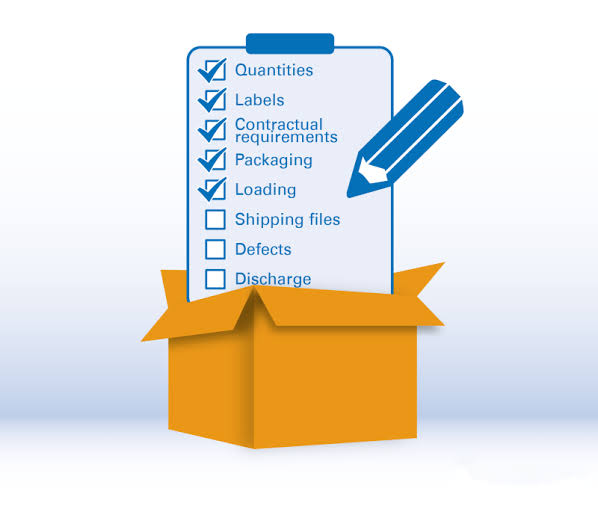
Checklist for B2B Sourcing (Copy and Use)
✅ Product specifications and target landed cost set .
✅ Long list of suppliers created from many sources.
✅ Checked the type of supplier (factory or trader).
✅ Used a standardized RFQ to get quotes that could be compared.
✅ Samples approved and specs locked in writing.
✅ Contract includes lead time and defect policy.
✅ QC plan confirmed and inspections done.
✅ Consolidation/shipping plan finalized.
✅ Documents are correct (invoice, packing list, HS codes).
✅ KPIs for suppliers are tracked for reorders and improvements.
Mistakes that happen often when sourcing for B2B
●Choosing suppliers based only on price.
●Not writing down specs, packaging and compliance.
●Not doing QC before shipping.
●Getting best-sellers from just one supplierinal.
●Not keeping track of performance (the same problems keep happening).
●Not taking into account the total cost of landing (shipping, taxes, defects and delays).
Final Thoughts
B2B sourcing is all about making a dependable network of suppliers and a procurement process that works every time. This way, your business can grow without any surprises. The best buyers don't just look for the lowest price; they also look at the total landed cost, quality that stays the same, supplier performance, and risk control.