Who is a Wholesaler in China?
A China wholesaler is a business that sells goods in large quantities at low prices. In China, the word "Wholesaler" can refer to a number of different types of suppliers:
●Factory (manufacturer) selling in bulk: lower prices, higher minimum order quantities (MOQs) and more customization options
●Trading company or exporter: can get goods from more than one factory, which makes it easier to mix SKUs.
●Seller in the wholesale market: a lot of different things quickly, flexible minimum order quantities and quality that varies
●Online wholesale seller: easy to find, quick and needs to be verified
Tip: The first thing you need to do is figure out what type you're dealing with, since the price, minimum order quantity and risk level are all very different.
When Is It Wise To Buy From Chinese Wholesalers
If you need to buy a lot of things at once, China wholesalers are especially helpful.
●Need a lot of SKUs in one order.
●Want to try out products before going factory-direct.
●Sell on eBay, Shopee, TikTok Shop, Shopify, or Lazada.
●Run a small store or a wholesale distribution business.
●Need MOQs that can change and a quick way to choose products.
Direct factories are often better long-term if you want to scale best-sellers with a lot of volume and strict quality control. Wholesalers are great for quick selection and testing.
Step One: Figure out what you need for wholesale.
Before you call wholesalers, make a list of
●Type of product and important details like materials, sizes and options.
●Target price range for the purchase (based on total landed cost).
●The minimum order quantity (MOQ) you can handle (trial order vs. reorder volume).
●Requirements for packaging and labeling, such as barcodes, carton marks and sets/bundles.
●What your market needs to be compliant (labels, safety, certifications).
●Target shipping time and destination.
●Preferred terms (EXW, FOB, CIF, DDP).
This stops suppliers from giving vague quotes and misunderstandings.
The Best Places to Find China Wholesalers
A. Online wholesale platforms (quick to find)
A great way to quickly make a long list. Use them to find new suppliers and then check them out carefully.
Best for: a wide range of products, low minimum order quantities (MOQs), and quick testing.
Be careful: the quality and type of supplier can change.
B. China Wholesale Markets (Offline Sourcing Hubs)
If you can go to China or work with a partner there, wholesale markets are a great way to quickly compare a lot of products.
Best for: small items, fashion accessories, gifts and home goods.
Be careful: a lot of sellers are traders, so you need to check the quality tier.
C. Exhibitions and Trade Shows
Trade shows help you find suppliers who are ready to export and let you compare samples and factory capabilities.
Best for: OEM/ODM suppliers, long-term suppliers and higher quality
D. Google Search and Websites of Suppliers
A lot of serious wholesalers and exporters have their own websites and catalogs.
Tips for searching:
●"China wholesaler + product type".
●"Wholesale supplier + product + city".
●"Exporter + product category + China".
E. Sourcing Agents / Procurement Partners
If you're buying from outside the US or buying a lot of different SKUs, a local team can help:
●Tell the difference between real wholesalers and sellers who are risky.
●Check suppliers.
●Take care of QC checks and consolidation.
●Cut down on shipping mistakes and misunderstandings.
How To Check Out A China Wholesaler (A Useful List)
Verification is what makes the difference between making money by importing and having problems that cost a lot of money.
A. Check the supplier's name and the work they do
Say:
●The name of the company and its business license (basic proof of legitimacy).
●Main areas of expertise (what they do best).
●If they are a factory, trader or market wholesaler.
●Send goods to your country or marketplaces.
B. Check the professionalism of the quote
A good wholesaler can give you:
●Clear price ranges and minimum order quantities.
●Time to lead and stock availability.
●Information about the packaging (unit packaging and cartons).
●Details about payment and the invoice.
●Policy for dealing with defects.
C. Check proof of product quality
Request:
●Real pictures and videos of the product, not just marketing pictures.
●Example policy (cost, shipping and time frame).
●QC checks before shipping, like photos, a checklist or an inspection.
D. Look out for warning signs
●"We can provide everything" in categories that aren't related
● prices that are much lower than usual without any reason
●won't take samples or won't let you take close-up photos
●unclear lead time ("always available")
●makes payment without checking the specs and packaging
●not getting the right documents or not communicating clearly
How to Compare Chinese Wholesalers the Right Way (Stay Away from Fake "Low Price")
A lot of buyers only look at the price per unit, which costs them money.
You should look at:
●Price per unit + minimum order quantity + price breaks.
●Cost of packaging (inner box, polybag, label and carton).
●Size and weight of the box (this has a direct effect on shipping cost).
●Policy for defects (replacement, refund or credit).
●Dependability of lead time.
●Total landed cost (the cost of the product, shipping, duties and defects).
If the packaging is better and the defect rate is lower, a supplier with a slightly higher unit price may be cheaper overall.
The Recommended Safe Wholesale Buying Workflow
Step 1: Make a list of 3 to 5 wholesalers
Pick the best candidates from your long list.
Step 2: Place an order for samples (or a small trial order)
Check:
●Material and finish.
●How well it works and how long it lasts.
●The quality of the packaging.
●Photos vs. accuracy.
Step 3: Make a test order (before scaling)
A trial order confirms:
●How well you pick (right colors, sizes and variants).
●Quality of packing (to keep things from getting damaged).
●Time to lead and talk.
●Writing down and labeling.
Step 4: Add QC before shipping
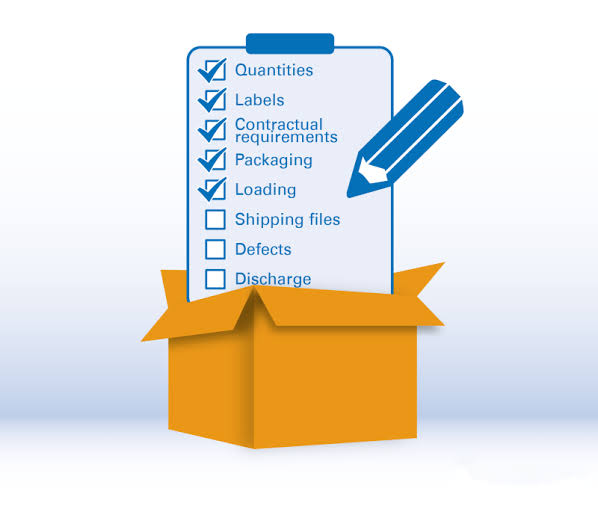
For orders with more than one SKU, QC should check:
●Correct quantity and SKU.
●Defects that can be seen.
●Labels and packaging.
●Count and measure the cartons.
Step 5: Put everything together and send it out
If you buy from more than one wholesaler or supplier:
●Put everything in one warehouse.
●Make the most of cartons.
●Make sure the packing list matches the boxes.
●Pick a shipping method based on how quickly you need it and how much it costs (air, sea, express or DDP).
Step 6: Make a system for reordering. Keep:
●A list of SKUs and contact information for suppliers.
●Most recent prices and minimum order quantities.
●QC photos and reports.
●Standards for packaging.
●Notes on lead time.
●Backup suppliers for the best-selling items.
How to Get Better Deals When Dealing with Chinese Wholesalers
●Ask for lower prices when you buy more than one item.
●Talk about better packaging (which is usually cheap and very helpful).
●Ask for flexibility in the minimum order quantity for mixed SKUs.
●Put the defect policy in writing.
●Talk about how long it takes to reorder and how much stock is available.
●Make connections: stable customers get better service.
Mistakes that buyers often make
●Only buying because of the lowest unit price.
●Not taking samples or trial orders.
●Not checking the size of the packaging and carton (shipping costs go up).
●Not paying attention to compliance labels for the market where the goods are going.
●No quality control step before shipping.
●Putting all your best-seller orders in the hands of one wholesaler without a backup plan
●Not keeping records of reorders (starting over every time).
Quick Checklist: How to Find a China Wholesaler
✅ Set product requirements and a target landed cost.
✅ Use different ways to find suppliers.
✅ Check the type of supplier (factory, trader or market wholesaler).
✅ Make a list of 3–5 candidates.
✅ Ask for samples and proof of real products.
✅ Use the total landed cost to compare quotes.
✅ Place a test order and check the quality before shipping.
✅ Combine the orders and ship them with the right paperwork.
✅ Make records of reorders and backup suppliers.
Final Thoughts
It's not just luck that helps you find a good China wholesaler; it's a process. You can get things from China with much less risk and much better consistency if you follow a structured workflow (verification → sampling → trial → QC → consolidation → reorders).