What does it mean to "buy directly from the manufacturer"?

When you buy directly from a manufacturer, you get the goods straight from the factory that makes them, not through:
●Companies that trade.
●Distributors.
●Wholesalers.
●Places to buy.
People often call this way of getting things "factory-direct sourcing." Importers, wholesalers, retailers and online sellers who want higher profits and a steady supply over time often use it.
Advantages of Buying Directly from a Manufacturer
1、Better prices when you buy a lot
When you buy more from a factory, you usually get lower unit costs and bigger price breaks because you cut out the middleman.
2、 More Control Over Quality Direct communication makes it easier to:
●Lock in product details.
●Set quality control standards.
●Do inspections and take steps to fix problems.
●Fix "sample good, bulk bad" issues.
3、 Options for OEM/ODM Customization
If you want:
●Label for yourself.
●Packaging made to order.
●Changes to the product.
●OEM/ODM development.
The most scalable way to get things is to buy them directly from the factory.
4、 Stable Reorders
A good relationship with the factory helps with:
●More consistent materials and production.
●Priority capacity during busy times.
●Reorders happen faster once specs are set.
Moments When We Should/Moments When We Should Not Practice Factory-Direct Sourcing.
Best Times to Buy Direct
●You get the same order over and over again or your demand stays the same.
●You can meet the factory's minimum order quantity.
●You need quality that stays the same.
●You want OEM/ODM or private label.
●You can handle QC and follow-up on production when it might not be the best time.
●You're trying out a lot of different products in small amounts.
●You need to find a variety of low-MOQ sources.
●Your team can't handle quality control, specifications, and logistics.
●You need stock on hand for quick delivery.
A lot of businesses start with wholesalers to see how things go and then they go straight to the factory for best-sellers.
How to Make Sure You're Buying Direct from a Factory or Trading Company
Not every "manufacturer" is a real factory. Some businesses that trade look like factories.
Real factory signs
●Pictures and videos of the production line and the tools used.
● A clear address for the factory and a willingness to let people visit or audit it.
●Can talk about how things are made and why certain materials are used.
●Has a quality control process that includes checks at the beginning, during, and end of the process.
●Stable capacity and lead time planning.
Common red flags when not dealing with a real factory.
●A very wide range of products in unrelated categories.
●Won't accept factory evidence.
●Not clear about materials and specs.
●Makes you pay without confirming the sample or specs.
●Lead times that aren't always the same.
Keep in mind: Trading companies can still be helpful, especially for mixed SKUs. The most important thing is openness.
How To Find Manufacturers To Purchase From Directly
1、Use Manufacturing Clusters
Begin with areas that are experts in your type of product. When you search for "product + factory + city/region," you often find better suppliers.
2、Use B2B Platforms to Find Things
(Then Check Them Out) Platforms can help you make a long list quickly. Don't think of them as proof of reliability; think of them as tools for finding things.
3、 Look on the web and on factory websites
A lot of strong factories have their own websites and focus on long-term buyers.
4、Go to trade shows if you can.
Trade shows let you compare different levels of quality, meet people who make decisions, and find suppliers who can make OEMs and ODMs.
5、 Use sourcing agents or procurement partners
A local partner can help you check out factories, handle quality control, and cut down on misunderstandings, especially for buyers from other countries.
How to Buy Directly from a Manufacturer in China
Step 1: Make a Product Requirement Sheet that has:
●specifications for the product (materials, size, and options)
●target order quantity plus reorder forecast
●requirements for packaging and labeling
●requirements for compliance (destination market)
●target shipping time and destination
●preferred Incoterms (EXW/FOB/CIF/DDP)
This makes sure that quotes are correct and that there are fewer misunderstandings.
Step 2: Make a long list and a short list
longlist: 10 to 20 suppliers
●shortlist: 3 to 5 suppliers after checking them out and talking to them for the first time
Step 3: Send a Standard RFQ (Quotes That Are Similar)
Please ask for:
●Different unit price levels for different amounts.
●Minimum Order Quantity.
●Time to lead.
●Cost of packaging.
●Terms of payment.
●Policy on defects.
●Terms of shipping (EXW/FOB/CIF/DDP).
Step 4: Spec Lock and Sampling
●order samples from two to three different suppliers
●check the quality and packaging
●give the go-ahead for a "golden sample"
●write down specs (version control + change control)
This stops surprises during mass production.
Step 5: Trial Order and Pre-Shipment Inspection Before Scaling:
●Make a small order.
●Check before shipping (using photos, videos, a checklist, or AQL).
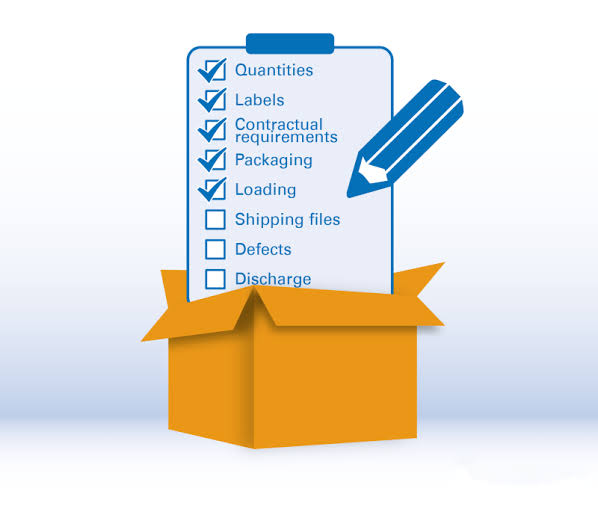
●Check the labels, packaging, carton measurements, and variants.
Step 6: Sign a contract and agree on terms (to protect your margin)
Confirm:
●Responsibility for lead time.
●Terms of payment.
●How to deal with defects (refund, replace, or credit).
●Standard for packaging.
●Warranty and spare parts if needed.
●Qwning tools for OEM/ODM.
Step 7: Paperwork and logistics
Check to see if the documents are correct:
●Invoice for business.
●List of things to pack.
●HS numbers.
●Certificates if needed.
●Marks and labels on cartons.
Pick shipping based on how much it will cost and how quickly you need it.
Step 8: Create a System for Reordering Store:
●Spec sheets and approvals for samples.
●The most recent price levels and minimum order quantities.
●Records of lead time.
●Reports from quality control and a history of defects.
●Standards for packaging and labeling.
●Backup supplier choices for best-selling items.
Tips on pricing, minimum order quantity, and payment
●Ask for discounts (100, 500, 1000, or 3000).
●Use the same materials and packaging to compare suppliers.
●Don't just look at the unit price; figure out the total landed cost.
If you can, use staged payments, especially for your first order.
Things People Often Do Wrong When Buying Direct
●Choosing the cheapest factory without quality control and specification control.
●No written specifications (this can cause problems).
●Not doing trial orders and inspections.
●Not paying attention to packaging (damaged goods hurt profits).
●Depending on one factory for best-sellers (no backup).
●Bad paperwork and reorder records.
Quick Checklist: Buy Direct from Manufacturer
✅ Product requirement sheet made.
✅ Factory vs trader checked.
✅ Sent out a standard RFQ for quotes that can be compared.
✅ Samples approved and specs written down.
✅ Trial order finished and quality control done before shipping.
✅ Contract includes lead time, defect policy, and packaging standard.
✅ Shipping and documents confirmed.
✅ Reorder system and supplier KPI tracking set up.
✅ Backup suppliers ready for important SKUs.
Final Thoughts
If you think of it as a system, buying directly from a manufacturer can give you a big edge over your competitors. The winners pay attention to more than just "factory-direct price." They also pay attention to verification, spec control, QC, and total landed cost.