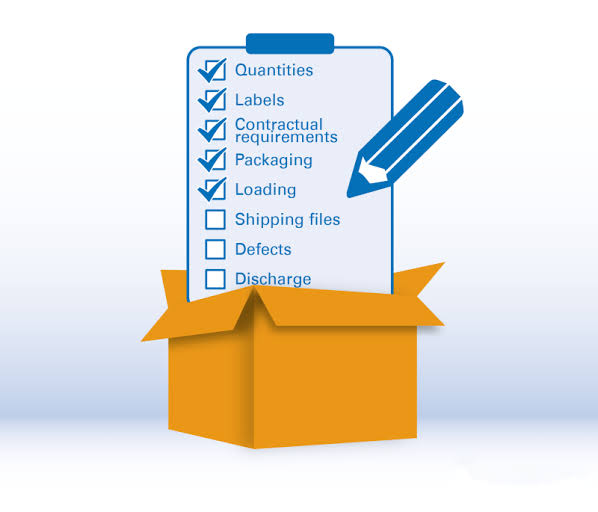
A 'best' sourcing agent in China is tailored to your business:
•Ready-made products vs. Custom products
•Sourcing channel (Factory, 1688, Wholesale Market, or Alibaba)
•Small test orders vs Long-term sourcing projects
•Inspection needed, FBA labeling, Supplier verification etc.
•Focus (Low price, stable quality or speed delivery)
A correct sourcing agent is an extension of how your business operates not by how much room the agent's office has and costs.
What is the job of a sourcing agent?
An agent acts as your "in China" local support, communicating with suppliers on behalf of you and managing every part of the process to avoid any misunderstanding. Therefore, they save your money by avoiding extra troubles and mistakes in the sourcing process. Typical jobs of a sourcing agent:
•Sourcing products & verifying suppliers
•Getting quotations, ordering samples and inspecting samples
•Following up production status and ensuring the quality
•Managing packaging, labeling and warehouse storage
•Consolidating order and arranging the shipment. Managing after-sales services.
In short, a sourcing agent helps you to not just find your products but find the right products, ensure they're exactly what they're supposed to be, maintaining correct quality and on time delivery.
When can we not work without a China sourcing agent?
As the size and the risk in your order grows, the more you shall require the dealings of a China supplier and the more your agent will become crucial in your sourcing transactions.
A sourcing agent is essential if you:
•Need to source your products from 1688, Taobao, local factory or wholesale market.
•Do not understand Chinese and need the agent to help communicate and deal with the factory on your behalf.
•Need to source products from several suppliers, create private labelings or develop new products.
•Need to verify the supplier’s business license and payment terms before placing the order.
• Need product inspections, preparation for FBAs, consolidations/repackings and relabeling services.
•If you are unsure of the supplier's credibility and concerned about being cheated on.
•Want to establish a stable and long-term product sourcing relationship with China suppliers.
Comparing the Key criteria for sourcing agents:
It doesn't necessarily mean that a cheaper sourcing agent is always a better option. Cheap sourcing agents might choose wrong suppliers and lack attention in inspection, which will end up with a higher total cost.
Compare Based on Product Category Experience
Different products may require specific attention when it comes to sourcing. For example, electronic components need precised technical details, whereas garments demand specific material quality and size specifications. Agents with extensive experience in a particular category are generally better equipped to handle such nuanced demands.
If an agent claims they can source "all products" and don’t even ask for your product details, be suspicious.
Here are some questions you should ask:
* How do you charge: commission, fixed fee, product markup or a mix of these?
* Can you provide me with the original supplier quotation?
* Are the fees for inspection, warehouse and consolidation included?
* Are you receiving commissions from suppliers as well?
* Are there any additional fees for samples, packaging, labeling or repacking?
Be wary of "free sourcing agents". Most of them do get their commission by either marking up the supplier's prices, including fees in order value or the freight, which will eventually increase your total purchasing cost.
Checking Supplier Verification Method
Amateur agents often merely forward supplier quotations. Professional agents employ a rigorous vetting process:
* Verifying the supplier's business license and determining whether they are a factory or trading company.
* Confirming their years in business and production history within your specific product category.
* Assessing their production capacity and reviewing factory photos or videos.
* Checking their export experience and any relevant certifications.
* Comparing quotes and sample quality from multiple suppliers.
* Conducting an on-site factory visits or arranging third-party audits for substantial orders.
Good agents will explain their choices and be open to discussing alternative suppliers, rather than pushing for a specific one.
Review Quality Control and Inspection Process
Bulk product quality can vary significantly. Sourcing agents should have robust quality control measures in place:
* Sample inspection and pre-production verification of all specifications.
* On-site pre-shipment inspection and production monitoring.
* Product quality inspections, packagings, labelings and barcode checks.
* Carton inspection with photographic evidence.
* Defect categorization, sample management and re-inspection.
Establish clear inspection standards in advance, covering:
* Product dimensions, materials and color specifications.
* Logo placement, packaging, carton dimensions and weight.
* Labeling requirements and testing methods.
* Acceptable defect rates.
For Amazon FBA orders, also pay attention to carton dimensions/weight, barcodes, product labels and outer carton strength. A good sourcing agent aims to prevent quality problems rather than just identifying them after they have occurred.
Red flags you should look for when choosing a sourcing agent:
1. When they make claims without proof such as lowest prices available.
2. When they are not specific enough to explain about completely free services/ fee structures.
3. When their business registration details are unclear.
4. If only one supplier goes on to suggest a high price with no comparisons to alternative options offered.
5. When the explanation of the inspection process does not tie with product specifications provided.
6. If only instant payment, using personal accounts is requested for transactions.
7. They are secretive about the commission earned from the supplier.
8. When their responses become extremely sluggish after payment has been made.
9. When they do not explain what action would be taken for a defective product.
The goal of the sourcing agent should be to reduce and not escalate risk. If the initial communication is unclear, the communication following payment would likely be more so.
Choosing the sourcing agent you should opt for:
1. State all your product requirements clearly with photographs, product specs, materials used, dimensions needed, product quantity, desired price range, product packaging, destination country and quality standards.
2. Forward your identical product spec sheet to two or three sourcing agents for direct comparisons.
3. Evaluate the first responses received from sourcing agents- will it involve any questions or just a price quotation?
4. Enquire about the service costs and details for each item- service fees, inspection fees, warehousing, shipping, additional fees etc.
5. Ensure the sourcing agent's supplier verification process is explained- check if they have a business registration certificate, assess the supplier's capabilities to execute orders, acquire samples from the supplier and check if any certifications obtained by supplier are valid.
6. Inspect the process that the sourcing agent uses to perform product inspection and obtain visual pictures, videos or detailed written reports for the same product.
7. Test the capability and reliability of the sourcing agent on a small-scale trial order prior to a major product order.
8. Compare service values not just by price but with quality, response time, inspection and overall costs.
Conclusion:
The sourcing agent that is suitable depends on various factors that include the products, order size, desired quality level, previous sourcing experience of the buyer, business structure and business requirements. An agent should be able to achieve the goal for its client; to be specific, a useful sourcing agent will provide all information clearly and with transparency, will be truthful regarding risks associated with the business and can even assist in selecting the most appropriate manufacturers, verifying supplier credentials, obtaining the lowest possible product cost, sourcing and coordinating of samples, following the production process, conducting product inspections and coordinating shipping.
Do not let unrealistic prices and marketing hype mislead you when selecting a sourcing agent. Invest time in comparing at least 2 to 3 companies and inquire in detail about the services offered, after having a thorough understanding of the sourcing agent's background. This method of sourcing will enable you to build up a solid supply chain, thus fostering business success in the long run.