Customs clearance
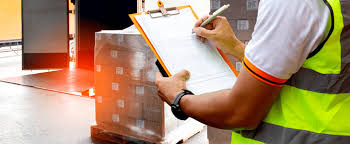
Customs clearance is the presentation of documents to customs authorities for checking and verifying whether classifications of HS codes, value of customs, origin and the duties and taxes applicable to import are correct or not. Bill of lading or airway bill, packing list and commercial invoice are some of the major documents that require checking.
Customs clearance step-by-step procedure
1. Verify whether the goods can be imported into the country - verify required permits, certificates, testing and labelling information before shipping.
2. Identify HS codes - it determines the rates of duties and necessary checks and documents. The codes are made of six digits worldwide (plus additional digits as in specific country codes, like HTS in the U.S.).
3. Assemble documents - product description, unit and total values, quantity, currency, country of origin, Incoterms and HS code should all be declared on the commercial invoice.
4. Enter declaration - an importer or agent should file this declaration electronically; an entry summary must be filed and duties deposited within 10 working days after the shipment enters the U.S.
5. Customs inspection/examination - you will either have your shipment released immediately, an examination of the documentation, or a physical examination of the goods.
6. Pay duties/taxes - once paid, you can receive your release.
Who is liable? (Incoterms and the importer of record)
Incoterms will determine which of the importer and exporter takes on duties and responsibilities and associated costs. Exports fall from the exporter in most of the Incoterms whereas imports fall from the importer (apart from DDP, where import duties and taxes are the seller's responsibility). Always confirm the importer of record and what is being declared, even in case of DDP.
Necessary documentation
•Commercial invoice, packing list, bill of landing or airway bill, the required licenses or permits when regulated, certificates if any, certificate of insurance if it applies. Discrepancies in documents cause delays.
•Landed cost, duties and taxes
•The customs value, classification, country of origin and trade policy affect duty rates, therefore always take landed cost (and not just the product cost) into consideration.
Reasons for shipments being delayed
Incorrect HS code classification, inaccurate product description on the invoice, understatement of product value, misleading country of origin declaration, missed/incorrect certifications and licenses/permits (when regulated), discrepancies between or missing documents, and Random checks.
The U.S. Specific Requirements
•ISF Submission - all data must be submitted to customs 24 hours before the ocean carrier departure.
• Formal Entry - for all goods valued $2,500 or more.
•De minimis suspended - On August 29, 2025, the duty free de minimis treatment was suspended and formal entry must be done for all the small parcels.
Best practices
Product description should be detailed (model, function and material), HS codes and valuations should be the same from one shipment to the next, hire customs brokers for regulated goods, and do not undervalue. The cost of penalties would be more than it.
Conclusion
A customs clearance is a regulated process where classification, customs value, country of origin and regulatory compliance dictates customs clearance. This creates a repeatable customs documentation and clearance process.
Related Articles
All articlesWhy Does Customs Hold Things Up Over "Just One Document"?
“We’re stuck because of paperwork”—this is a phrase you often hear in the world of imports. The goods seem fine. The quantities match. Yet, customs clearance isn’t moving forward. Why does paperwork alone cause such a major problem? In this article, we’ll break down the reasons from a structural perspective.
Yiwu's Ultimate Market Sourcing Guide For Global Buyers In 2026
The Yiwu International Trade Market, also well known as the "World's Supermarket" is the world's largest wholesale market for small commodities. This trading market has been designed to serve importers, product distributors, commodity retailers and e-commerce sellers from across 210+ world countries and regions. With over 75,000 physical booths and 400,000+ product SKUs ranging from small to medium and extra large products, of all diversities,categories and types, the Yiwu International Trade Market has become the top sourcing destination for global buyers seeking cost-effective, diversified and customizable wholesale products. The Yiwu's Ultimate Market Sourcing Guide For Global Buyers In 2026 is a guide aimed at elaborating on the Yiwu Market's core advantages, district layouts/product types, standard procurement/purchasing processes,common pain points, professional sourcing solutions and sourcing agent options for global newcomers and long-term buyers.
Hardware Products and Tools Sourcing from China
When you purchase hardware products from China you can earn a lot of money. However if you only consider the price you will likely end up losing money. You need to think about the strength of the hardware products materials and how accurate the sizes of the hardware products. You also need to consider how well the hardware products resist corrosion and the quality of the surface treatment of the hardware products. Hardware products from China are really different from the things you can buy in stores. China is one of the places in the world where they make hardware and tools. They make all sorts of things like hand tools, fasteners, hardware for furniture, tools for building and tools for gardening. If you want to buy hardware products from China and do well you have to be very careful. You need to be careful about what hardware products you're buying and who you are buying the hardware products from. You need to check the quality of the hardware products. What certificates the hardware products have. You also need to think about how you will get the hardware products, from China to where you need the hardware products to be.
Toys and Games Sourcing from China
Toys and games are really interesting to import because people want them all year round and there are spikes in sales during holidays. There are also some areas within this category such as educational toys, puzzles, board games, plush toys, outdoor toys pretend play sets, building toys, baby products and electronics. China is the place where most toys are made. They can do everything from making cheap ready-made products to creating custom toys from scratch. What makes toys and games different from things we import is that kids use them. This means that making sure they are safe and meet standards is really important. If a toy fails safety tests. Has parts that kids can swallow or has too much lead in the paint it can get into big trouble. This can lead to lawsuits the toy being taken away at customs being removed from marketplaces and even having to recall the product. Because of this making sure toys meet all the safety and quality standards needs to be part of the process from the beginning not something to check off at the end. Toys and games have spikes in sales. Toys and games have sub-niches like toys, puzzles, board games, plush toys, outdoor toys pretend play sets building toys, baby products and electronics. Toys are used by children so toys need to meet safety standards and toys need to meet quality standards.