What does "direct sourcing" mean?

When you buy directly from factories (manufacturers) instead of using a trading company, agent, or marketplace seller as your main supplier, you are using direct sourcing.
A strategy for direct sourcing defines:
●how you find and vet factories
● how you talk about terms and keep an eye on cost drivers
● how to avoid problems like "sample good, bulk bad"
● how you handle QC and compliance
●how to lower risk with backups and keeping track of performance
●how you grow with stable reorders and new product development
Why Businesses Choose Direct Sourcing
A direct sourcing model that works well can give you:
1、 Better Total Cost (Not Just Unit Price)
Factories can offer:
●lower price at the factory
●better price breaks when you buy a lot
● Lower markup than middlemen. But the real win is often lower hidden costs (defects, delays, rework).
2、 More Control Over Quality and Specifications
Direct communication with the factory makes it easier to:
●lock up materials and processes
●put quality standards (AQL, checklists) into action
● take care of improvements and corrective actions
3、 Faster Product Development (OEM/ODM):
If you want custom packaging, labeling, or changes to your product, factories are usually the only way to go.
4、 Capacity Priority and Long-Term Stability
Strong relationships with factories give you:
●set aside space during busy times
●prices that are more stable
● faster order processing
When direct sourcing is a good idea (and when it isn't)
Best times to use direct sourcing
●you have a steady demand and plan to order again
●you need to make sure the quality is always good (fewer returns and claims)
●The size of your order meets the factory's minimum order quantity (MOQ).
●You want OEM/ODM or custom packaging.
●You need more stable lead times and better control over production.
When direct sourcing might not be the best choice
●You're trying out a lot of products with very small amounts.
●You need very low minimum order quantities and quick access to a wide range of products.
●The product is very standard and can be bought cheaply from wholesalers.
●You don't have the tools you need for quality control and production follow-up.
Many sellers in the early stages of e-commerce start with "market sourcing" to test products. Then they switch to direct factories for the best SKUs.
Models for Direct Sourcing Strategy
1、 Single Factory Strategy (High Efficiency, High Risk)
One factory for each SKU or category.
Best for products that are already popular and have steady demand.
2、 Dual Factory Strategy (Best for Best-Selling Items)
Two qualified factories for each key SKU:
●main factory (biggest volume)
●backup factory (risk management)
3、 Portfolio Strategy (Factory Network Based on Categories)
Different factories make different kinds of products.
Best for businesses with more than one SKU that need to be flexible.
The 8-Step Framework for Direct Sourcing
Step 1: Define Requirements (The "Spec First" Rule)
Before you get in touch with factories, you need :
●product specifications (size, materials, functions, tolerances)
●quality standard (rules for defects, how to check them)
●packaging needs (strength of the carton, labels, and inserts)
●needs for compliance (certifications, market rules)
●target landed cost (unit cost + shipping + duties + packaging)
●expected amount and how often to reorder
Output: a target cost model and a spec sheet.
Step 2: Look for Factories
(Don't Just Look at Search Results)
Some good ways to find high-quality factories are:
●industry clusters (research on how to specialize in a certain area)
●Shows and trade shows
●business-to-business (B2B) platforms and factory directories (for finding out more, not for final trust)
●recommendations from logistics/QC partners
●Third-party audits and sourcing networks.
Rule: Don't take a sales rep's word for it that a factory is "factory." Check.
Step 3: Factory Qualification (Your Risk Filter)
A factory qualification system is needed for a direct sourcing strategy.
Check:
●the scope of business licenses and registrations
●proof of the factory's address and production site
● production lines and equipment
●QC process (incoming, in-process and final inspection)
●lead times and capacity during peak season
●experience with exporting and the ability to write documents
●how quickly you can communicate and how well you understand technology
●social compliance or certifications if necessary (BSCI, ISO, etc.)
Output: Make a list of 3 to 5 factories for each product line
Step 4: "Spec Lock" and Sampling
Sampling isn't just "buy one sample." It's a way to keep things in check:
●check the quality of the materials and work
●if necessary, run functional tests and stress tests
●check that the packaging will protect the items during shipping
●give the go-ahead for a "golden sample" reference
●make a signed spec sheet that keeps track of changes
Goal: make it possible to measure and enforce bulk production.
Step 5: Analyzing Quotes (Finding the Real Cost Drivers)
Factories often give different prices based on:
●grade of the material
●how to finish
●Costs for tools and molds
●standard for packaging
●complexity of work
●Requirements for testing and certification
●terms of payment and currency risk
Your plan should include:
●a standard quote template (to compare apples to apples)
●calculation of landed cost for each shipping method (air, sea, DDP)
Output: a table that compares costs and a plan for negotiating a target.
Step 6: Talk about terms that keep you safe.
Terms are more important than price.
Talk about:
●Minimum order quantity and price breaks
●responsibility for lead time and late delivery
●terms of payment (deposit/balance, LC, staged payment)
●policy for dealing with defects (replacement, refund, or credit)
● extra parts for dangerous products
●OEM ownership of IP and tools
●rule for change control (no changes without permission)
Output: a contract and a confirmed production plan.
Step 7: Set up a quality control system that doesn't just check things once.
QC is your safety net when you source directly.
A good quality control system has:
●Meeting before production (review of specs and risk points)
●Inspection while the order is being processed (for medium- to high-risk orders)
●Inspection before shipping (AQL or a custom checklist)
●Checks for fragile goods that are packed and dropped
●Supervision of loading containers (for big shipments)
Output: a checklist for quality control and a schedule for inspections.
Step 8: Performance Management (Make a Supplier Your Partner)
Direct sourcing is a long-term strategy. Use KPIs to keep an eye on how well your suppliers are doing:
●Rate of on-time delivery
●rate of defects / rate of claims
●cost variance (the price changes over time)
●how quickly they respond and fix things
●rate of damage to packaging
●Accuracy of documents
Use reviews every month or every three months:
●projects to lower costs
●improvements in the process
●planning for peak season capacity
●pipeline for developing new products
Output: a scorecard for suppliers and a plan for how to make things better.
Checklist for Direct Sourcing (Copy and Use)
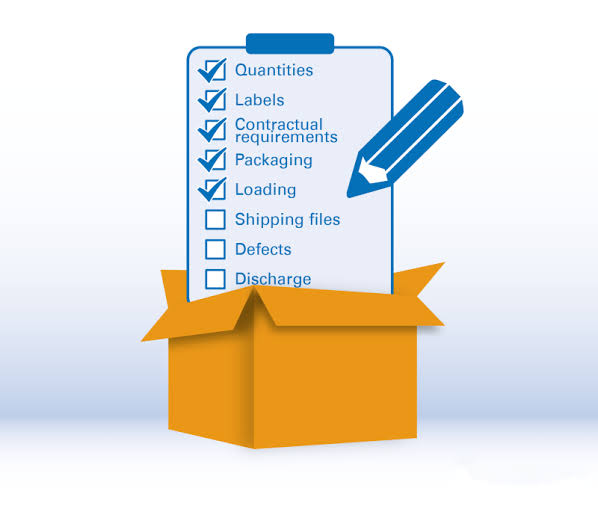
The spec sheet is finished (materials, dimensions, packaging and tolerance), the compliance requirements for the destination market are set, the factory is qualified (license, capacity, QC system and ability to export) and the samples are approved and the golden sample is saved.
There is a standard way to compare quotes (apples to apples).
Terms of the contract protect lead time and quality.
QC plan set (in-process + pre-shipment as needed) shipping and documentation plan confirmed dual sourcing prepared for best-sellers supplier KPI scorecard running monthly
Mistakes People Make When Directly Sourcing
1. Picking "factory direct" without checking first
2. Some businesses that trade look like factories.No spec lock or weak documentation
3. Causes disagreements and inconsistent bulk production.Not doing quality control on complex products while they are being made
4. Late discovery of defects costs a lot.Not paying attention to packaging
5. Damage during shipping can wipe out profits.No extra suppliers
6. A single problem can kill your best-selling products.Not planning for peak season.
Factories give priority to customers who place orders early.
Best Practice: A Smart Hybrid Direct Sourcing Strategy
This method works for a lot of businesses:
●Test stage: getting goods from the marketplace with low MOQs
●Validation stage: winners get to source directly from the factory
●Scale stage: getting things from two places, better quality control, and shipping in bulk
●Brand stage: OEM/ODM, custom packaging, and supplier development
This lowers risk and strengthens the supply chain over time.
Final Thoughts
Direct sourcing is one of the best ways to boost profits and keep quality high but only when it's done in a planned way. A direct sourcing strategy gives you that system: clear specs, qualified factories, standards that can be enforced and supplier management that is based on performance.