Who Are Online Wholesale Suppliers?

Online wholesale suppliers are online salesmen you can source from through websites, marketplaces or digital catalogs. These would typically include:
●Factory (wholesalers) selling wholesale (excellent prices at larger scales and higher MOQs).
●Exporters/importers (variety SKUs, faster restock).
●Trading companies/trading business houses and exporters (factory variety product sourcing agents who consolidate).
●Legally recognized/authorized distributors (excellent for dealing in branded products and invoice compliances).
●Drop shipping suppliers (best for direct shipping to customers with less control)
Your main task would be to pick out which type you would like to work with—because cost prices and various risks involved may differ depending on the wholesaler you decide to work with.
Most Suitable Online Sites To Source For Wholesale Suppliers Online
A、 Branding And Distributing Websites (Most Stable)
If you deal in the reselling of customized products, start with:
●Customized products “wholesale / dealer” pages.
●Legalized/recognized distributor guideline pages.
●Industry functioning group supplier pages.
Such group member pages are more suitable for long-term supplies, clean invoices and consistent packaging.
B、 B2B Marketplaces (Fast Discovery)
B2B platforms are equally very reliable for creating resell product wholesaler lists in no time.
These can help with new high demand good discoveries and favorable price analyses. It will be good to bear in mind that wholesaler qualities vary—thus making the quality control service very essential.
C、 Wholesale Directories
Directories can help you find product suppliers that deal in your kind of resell business. To be on the safe side with such suppliers, always control supplier credibility and supplier capacity for consistent restocking. Such suppliers would easily favor sectors and home-based distributors.
D、 Google Search + Wholesaler Websites (Hidden Gems)
Many strong bulk quantity suppliers and factories do not depend on marketplaces. This makes the online platform sourcing aids very essential. Scrolling through website can help you uncover:
●Factory suppliers which you can deal with directly.
●Exporters with relevant experience in the domain.
●Specific category wholesalers which you can exploit if they deal in your niche products.
Search tips:
●“Bulk product suppliers + product types + Production location.”
●“Factory + Commodity+ OEM”
●“Recognised distributor + branded name + Production location”
E、 Media Platforms (Use Carefully)
Some suppliers create awareness on media channels. These can work but supplier credibility scrutiny must be strictly carried out because scams are more common on such platforms.
Ways By Which Wholesale Suppliers Could Be Vetted Online (The Practical Checklist)
Step 1: Affirm And Reaffirm Credibility.
Ask for:
●Company details and business registration licenses.
●Request for company websites and full addresses.
●Confirm product existence and clear business scopes from catalogs.
●Ensure you get access to Invoice exemplaries (for B2B orders)
Step 2: Confirm Supplier Category (Factory vs Wholesaler vs Distributor)
●What production sectors are their specialties?
●Find out how they go about production, do they self-produce or do they source from other producers?
●Do they have proof of being permitted or authorized to produce customized goods?
Step 3: Demand Proof Of Real Product Existence. (Samples)
This could be in form of:
●Pictures plus videos.
●Pictures of good and packages (unit + carton).
●Request for sample provision policies and arrival of shipment timelines.
Step 4: Analyze Totality Cost Structures.
Confirm price inclusion of:
●Customization/Packaging Cost.
●Product Carton labellings/barcodes.
●Product inner protection measures.
●Exportation/shipment cartons.
●Product special services/tooling/printing setup fees (In case of private labels).
Step 5: Assess communication capacity/flexibility.
Fast and clear replies often predict good execution.
Red flags
●Low prices without explanation.
●Refusal of sample products and real photo provisions.
●Little or no company info alongside inconsistency in contact details.
●Lays emphasis on payment before confirming product specifications and business transaction terms.
●Be careful with suppliers who deal in various categories across extremely unrelated product types.
How To Perform Proper Online Wholesale Supplier Distinction.
Do not assess only unit cost, equally analyze total landed cost which should include:
●Cost per unit.
●Minimum order quantities and discounted prices per bulk orders.
●Product customization + labeling cost.
●Cost of product shipment to final destination (carton size/weight matters!).
●Taxation duties.
●Cost of defective product returns.
●Risk of product restocking and lead time inconsistencies.
A wholesaler with higher prices can bring about a cheaper outcome should they provide effective and efficient packaging and shipment services.
A Practical Guide: Buying From Wholesalers With Absolute Safety.
Step 1: Make Your Trading Requirements Very Clear.
●Commodity specifications should be properly observed and quality control performed.
●All cost incurred must be worth the goods purchased. (No over pricing or underpricing.)
●Provision of MOQ criteria and reordering plans.
●Requirements for proper packaging and labelling services.
●Practical destination shipment methods and accurate timelines.
Step 2: Come Up With A Long List Of About 10–20 Suppliers.
Make use of various wholesale sources: Media channels + web searches + Factory online guides.
Step 3: Perform A Supplier Re-selection
Carry out supplier re-selections till you are left with a list of 3–5 suppliers
Filter suppliers by paying attention to communication skills, packaging specializations/product qualities, MOQ fits, capacity for consistent restocking and documentation ability.
Step 4: Place Orders Of Samples For Product Testing.
Assess product quality, packaging, lead time accuracy.
Step 5: Place Trial Orders + QC
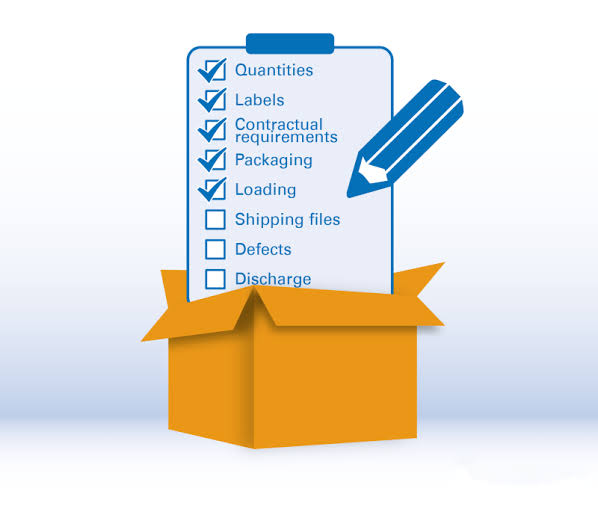
For bulk orders, add pre-shipment quality control or photo/video assessing:
●Quality/quantity exactness.
●Logical defective product return policies.
●Outstanding labelling/packaging policies.
●Accurate carton measurements and weights.
Step 6: Packing And Shipment.
When ordering from various wholesalers:
●Pack meticulously to reduce carton size and shipping cost.
●Ensure packing list correlates with carton's content.
●Make shipping method choice based on urgency or lowest price availability (air/sea/express/DDP).
Step 7: Create A Workable Reorder System
Keep:
●Preserve wholesaler contacts and price lists.
●Be clear about your desired product specifications.
●QC pictures, videos and defect notes.
●Set desired customization standards.
●Ensure lead time accuracy and restocking consistency (Wholesaler performance).
Guidelines For Online Wholesale Purchases.
●It is wise to commence with samples or minimal quantity orders for supplier efficiency testing.
●Favorize wholesalers with accurate documentation and trading policies.
●Keep record of wholesaler performances (defects, lead time, communication, quality control).
●Prioritize wholesalers who perform meticulous packaging task to reduce product damages and freight cost.
●Ensure you have backup suppliers for goods on high demand.
●Never forget the role of proper negotiations after you have approved reorder quantities.
Recurrent Mistakes Buyers Make
●Prioritizing suppliers strictly due to low unit prices.
●Ignoring the importance of sample orders and QC checks.
●Neglecting details such as carton size/weight leading to shipping cost unfavorable surprises.
●Proceeding to place orders despite inaccurate specs and packaging requirements.
●Depending on only one supplier for all best-selling products.
●Failing to preserve documentation for future reorders.
Final Thoughts
Online sourcing can be quite powerful only if you turn it into a system or not: verify → sample → trial → QC → reorder. When you do this, you reduce risk and build a supplier network you can scale with confidence.