Why your shipping strategy is so important
Many people will only consider the unit price of the product and forget the final landed cost. A $3.50 product in China will likely cost you $5.20+ by the time it's packaged, trucking from factory, export documents prepared, sent via ocean freight, cleared import customs and delivered to your door. A proper shipping strategy will help you answer 4 key questions. What will it really cost me, landed cost? What's the best cost/speed compromise? Who is responsible for import duties and taxes? What kind of buffer should I factor in?
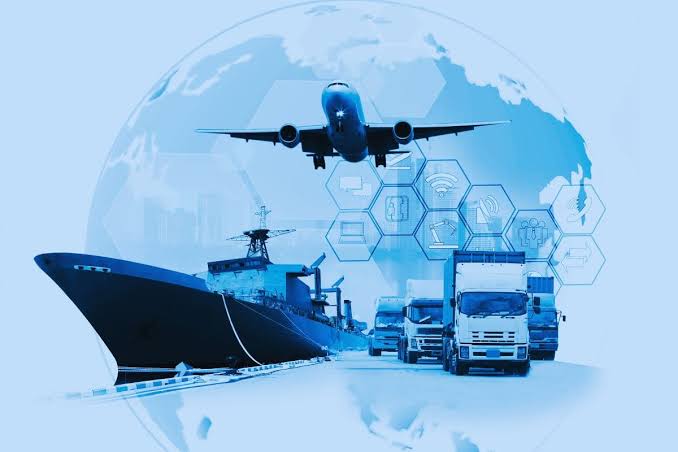
Key Shipping Methods from China
Express Courier (DHL/FedEx/UPS): If you need samples, want your products gotten at the quickest speed possible or have very light but high-value goods. Super-fast and offer door-to-door delivery but will cost a lot when scaling.
Air freight: Suitable for medium-sized time-sensitive shipments. It can be airport-to-airport or door-to-door.
Ocean Freight (LCL/FCL): The cheapest for large orders. Slowest but significantly cheaper per unit if shipping in bulk.
Rail Freight: Commonly used for shipments between China and Europe. Faster than ocean and cheaper than air, a perfect in-between.
Postal/E-commerce parcel lines: Best suited for smaller B2C shipments and drop shipped items but be aware that customs are cracking down on low-value parcels.
Choosing the right shipping method
If your shipment weighs under ~150kg it will likely be cheaper with express or air courier.
Between 150 and 500kg it would be wise to compare air freight and LCL ocean freight.
Above 500kg, ocean freight will likely become much cheaper.
If you are shipping more than 15-20 CBM you might benefit from FCL over LCL ocean freight.
If your product needs to be delivered within a deadline use express or air freight.
If you are importing very low-margin products in large quantities, always try to ship via ocean freight if possible.
Always remember that the Landed Cost per unit, not the shipping quote, is the most important figure.
Understanding the shipping cost calculation
Freight will be charged by the actual weight of the shipment or its volumetric weight (Length x Width x Height divided by the volumetric divisor) whichever is the highest. For items like pillows or plastic containers they might be charged by volumetric weight. LCL ocean freight will be charged by CBM with minimum rates. FCL ocean freight is priced by container type and destination/route. Always ask whether the quoted service is Port to Port, Port to Door, Door to Port or Door to Door as there can be a huge variation.
Delivery time estimate (China to USA)
Express: Around 3 days.
Air Freight: Around 8-10 days.
Ocean Freight: Around 30-40 days under normal conditions.
Remember, sailing time from port to port is just a part of the overall delivery time, you need to account for factory production time, export customs, waiting for shipping, unloading and import customs, delivery to your door and anything in between.
Customs Clearance Basics
Accurate HS codes, commercial invoices and packing lists, along with any needed certificates are essential. Your HS code will determine the amount of duty paid and if there are any restrictions from import into the country. Ensure if importing to the U.S. That you are compliant with Section 301 tariffs. Also worth noting: the U.S. has suspended its duty-free de minimis treatment from August 2025; EU is implementing a flat 3% duty on low-value parcels from July 1st, 2026, along with enhanced customs data requirements.
Incoterms Explained (Who is liable for what)
EXW: You handle almost everything starting from the factory. You have more control but it is also the most complex.
FOB: Supplier handles the export procedures and you are responsible for the international shipment and import. This is the most popular for sea freight.
CIF: Supplier pays the ocean freight and insurance but you pay the import customs clearance and the inland delivery.
DAP: Sellers deliver the goods to the destination place; you are responsible for the import duty and taxes.
DDP: The seller handles all the way to your door including duty and taxes. It can be the easiest way but it’s crucial that the seller has correctly handled customs procedures.
Generally, importers who deal using FOB and their own freight forwarders gain the most benefits by balancing costs and compliance.
Documents You'll Need
A commercial invoice, a packing list, a bill of lading/airway bill, export declaration, certificate of origin (if applicable), product specific certificates, insurance certificate and the MSDS if shipping batteries or chemicals. Be as precise as possible in product descriptions because custom officers are looking more closely at incorrect entries especially for products that have any restriction or are low value.
Hidden Costs to Look Out For
Don't forget the inland pickup in China, export declaration, port congestion charges, fuel surcharges, customs brokerage, import VAT, port storage fees, container demurrage, unloading at warehouse fees, remote area surcharges, waste disposal charges. Even when your initial freight cost is low, with LCL shipments destination charges can be huge.
Common mistakes to avoid
Do not only base your shipping choice on the cheapest quote.
Ensure that you have correctly defined your Incoterms.
Underestimate the value of duties and VAT.
The ocean freight time does not equal the entire delivery time.
Do not use unclear product descriptions on your invoice.
Do not ship unless you have seen your supplier’s packaging and labeling.
In conclusion
The freight quotation is only one part of the equation. It’s the total landed cost that truly matters. Obtain quotes from at least 2-3 logistics providers, clarify the Incoterms upfront, prepare your documentation meticulously, double-check the relevant customs procedures and remember to add some buffer time. A solid shipping strategy can lower your expenses, avoid costly mistakes and make your sourcing from China dependable and sustainable.