Top 15 import categories to look out for:
1. Electrical & Electronic Equipments: Smartphones, LED Lights, charging equipment & parts thereof. Watch out for certifications, battery standards and IP.
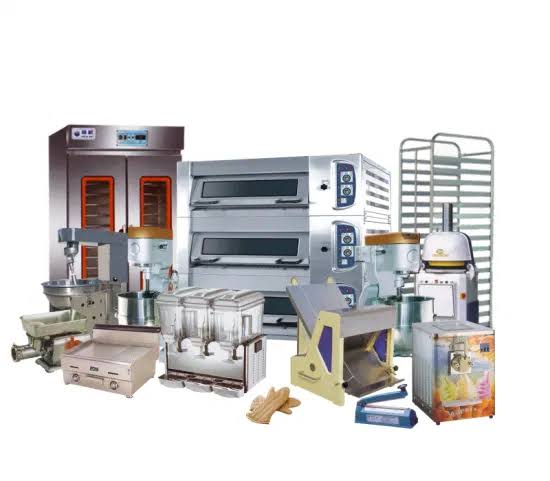
2. Machinery & Mechanical Appliances: Industrial machinery, Pumps & HVAC equipments. Watch out for safety standards, manufacturing lead times and customs duties.
3. Vehicles: Cars, motorbikes & vehicle components. Watch for homologation & duties.
4. Plastic & Plastic Articles: Packaging, houseware & components. Watch for food grade compliance (if applicable) and durability standards.
5. Furniture, Bedding & Lighting: Flat pack furniture, mattresses, LED lights. Watch for freight costs, fire safety standards and moisture protection.
6. Iron & Steel Articles: Hardware, fastenings & building materials. Watch for anti-rust and dimensions.
7. Apparel (Knit): T-shirts, hoodies, leggings, sportswear. Watch out for color & size consistencies.
8. Organic Chemicals: Raw ingredients and chemicals for use in chemical products. Watch out for different classifications and necessary import licenses.
9. Toys, games & sports goods: Dolls, board games sports equipments. Watch out for safety standards and specific material restrictions.
10. Optical & measuring instruments: Precise equipments and measurement instruments. Watch out for stringent certifications and calibration standards.
11. Iron & Steel (Raw): The base material for creating iron and steel articles. Watch out for grade verifications and anti-dumping measures.
12. Clothing made up of woven jackets, jeans, uniforms and different types of woven garments. Watch out for the strength of seams and the seasonality of the products.
13. Mineral Fuels: Bulk fuel items and a rare import category for SMBs.
14. Footwear: Boots, sandals, shoes. Watch out for sole qualities, size verifications and potential TM infringements.
15. Ships & Boats: a very specialized category requiring complex contractual and compliance negotiations.
Sourcing Strategy Toolkit:
1. Produce detailed product specifications.
2. Choose a list of 5-10 suppliers and test 2-3 using samples.
3. Define the "gold standard" sample for mass production.
4. Undertake a pre-shipment inspection.
5. Consider appropriate Incoterms (FOB generally advised).
6. Estimate all landed costs (including duties and freight).
FAQs:
•Are the "top imports" different country-by-country? No, they vary by country, though the top items imported from China tend to be broadly desired across all nations.
•What are China's top exported items? Electronics and electrical products represent most Chinese exports.
•Which category is most associated with compliance risks? Typically toys, products for children, battery-charged electronics, medical items, and certain chemicals due to the rigorous tests and documents required.