What is Wholesale Sourcing?
You can order a large quantity of products from the manufacturer, wholesaler, distributor or trading company at a much lower price per unit and resell it at a retail price. It isn't just the unit price that counts; there are numerous costs associated with it, including packaging, shipping, platform fees, advertising, storage, returns and tax, before you can determine a genuine profit.
Wholesale vs Drop shipping vs Private Label
Drop shipping means no initial outlay for products but no control over their quality, shipping and packaging. Private labeling offers more differentiation but requires a larger number of initial orders (MOQ) and more time on the product design. Wholesale sources stand between those two as it provides higher control than drop shipping and is less time-consuming to begin than private labeling. It's very common for sellers to start wholesale then privately label the product after having proven its demand and popularity.
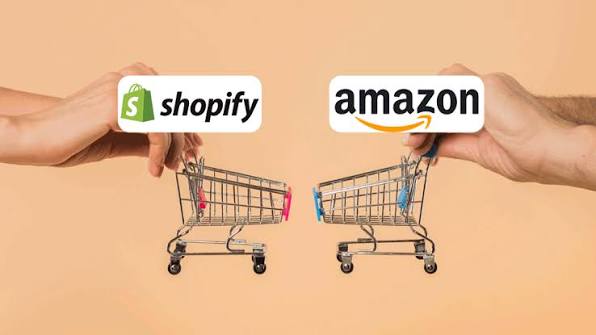
Wholesale Sourcing for Amazon Sellers
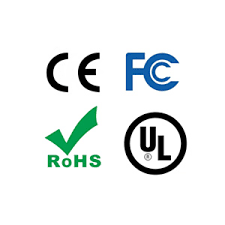
There are two types of wholesale selling for Amazon sellers: reselling branded and generic items; and finding a generic product to sell on FBA with packaging changes or combining multiple products into one. First step before buying any product on Amazon is checking if this product/category is available for selling in your account, the competition there, demand signals, FBA fees impact on margins and if the supplier can meet all the requirements of Amazon on labeling and cartons. The most critical thing is never ordering products then checking the platform rules afterwards.
Wholesale Sourcing for Shopify stores
The Shopify platform is more flexible in that you have total control over the branding, pricing and how to interact with customers, but you need to generate traffic yourself. When working with Shopify sellers, wholesale products are best when you have a specific niche (such as pet supplies, home organization, or fitness) where you can establish a brand and have control over everything, including presentation. You need to focus more on packaging, quality of products, photos and overall presentation than you do on Amazon.
How do you choose the products?
When you look for good products, you must be sure that you'll be able to sell the products, that there is a demand for them and that there is a margin that you can profit from. Shipping, returns and availability are another crucial factor to consider. Ask yourself: "Does it solve a problem? Can I really benefit from selling it? Will I make a lot of returns? Is it easy or hard to ship?" Don't forget the products have to be well designed, you can always improve the range by packaging them or bundling up products. Research products, then look for suppliers; it doesn't matter if you find a good supplier, but the product is weak.
Finding Wholesale Suppliers:
Alibaba - is ideal for buyers who want to find international manufacturers with low prices and export quality and have strong customer service.
1688 - you will find cheaper prices, but since there aren't many English speakers and the website is not in English, it will be useful to have a sourcing agent.
Local wholesalers/distributors - have higher unit prices but shipping time is much shorter, making things simpler for sellers who want to reach customers quickly.
Trade shows - is a great place to meet suppliers and see the product samples in person.
Wholesale Marketplaces - such as Faire for boutique sellers and niche items sellers.
Sourcing agents - helps find suppliers, manage orders and arrange shipping.
Verifying wholesale suppliers
You can check the supplier's background, specialized products, business licenses, years in business, export experience and their communication skills. It is important to order samples and find out what their minimum order quantity is, lead times, packing specifications, ability to inspect the shipment and policies for handling returns. A good supplier should be able to answer all your questions easily. If the supplier avoids your questions, refuses to send samples, asks for full payment very quickly, and the quotation is far too low compared to market average prices, this should set off alarms.
Calculating Landed Cost and Profit Margin
You must never assume that selling a product at $19.99 and buying it for $4 will guarantee profit. The land cost should include not just the price per unit but also: domestic shipping, international freight, import duties, taxes, inspections, packing and labeling costs, payment fees, platform fees, warehousing/fulfillment costs, advertising and allowances for returns. The calculation of the actual landed cost often leads to no profit and this is why it's important to keep your margin estimates conservative and check all the cost involved in selling any product on Amazon.
Sampling, Trial Orders, Quality Control
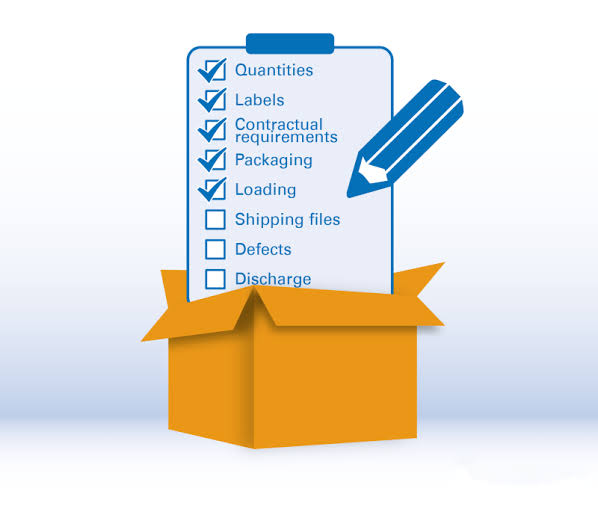
Samples are the most important part of working with a new supplier. Once a sample has been approved, make a small trial order. Make sure the pre-shipment inspection covers all aspects of the product, including the amount shipped, dimensions, physical condition, how well the product works, the quality of the packaging and the labeling and barcode accuracy. The inspection and labeling mistakes will lead to penalties, delays and extra expenses for Amazon sellers. For Shopify sellers, bad packaging may hurt customer experience and business reputation.
Inventory Planning and Cash Flow
The quantity of goods in stock directly relates to whether you can meet the demand, or if you will be stuck with excessive inventory and tie down all your cash. When ordering, consider your expected sales, order lead and shipping time, and seasonality. Out of stock orders will affect the Amazon sales rank. Store excess inventory, this can create higher warehousing fees. Only order the amount of stock you can afford to invest as a trial until you know for sure about demand and suppliers.
Fulfillment Methods
You can choose Fulfillment. By Amazon (FBA) services or use your own storage facility, outsource this job to a 3PL company, or a mix of all these methods. FBA includes storage, pick, pack and shipping services. There are fulfillment centers for 3PL providers, too. You should compare the warehousing and shipping fees, speed of service and control over packing to decide what the best fulfillment for you is.
Common mistakes:
Not selecting products smartly, only based on their price.
Ignoring the platform rules before placing the order.
Skipping sample order and QC inspections.
Underselling advertising costs.
Increase order quantity before testing the product.
Reliance on just one supplier for best-selling product.
Conclusion
A wholesale business will generally perform better than a drop shipping one as you gain more reliability and control. Make sure to choose wisely products and suppliers, to calculate all the costs and landed costs properly, to ask for samples and perform good quality control. Don't forget about sound cash flow and knowledge of all platform rules; scale your business after testing, only if you know your suppliers well.