Know Your China B2B Marketplace Types
There are 5 primary types of China B2B marketplaces: Export-focused marketplaces (Alibaba, Global Sources, Made-in-China) are generally the best for international buyers and larger orders; Domestic wholesale marketplaces (1688) can offer lower prices, but require more logistically; Digitized wholesale market platforms (Yiwugo, Chinagoods) are digital extensions of physical marketplaces; Cross-border low-MOQ marketplaces (DHgate) are ideal for testing products and filling smaller orders; And Hong Kong/China sourcing networks (HKTDC) are integrated with the trade show system.
Find the Best China B2B Platforms by Type
For broad export-ready sourcing and OEM/ODM opportunities with international suppliers, Alibaba is the go-to; 1688 provides the lowest domestic prices, but with wider SKUs and added logistics, making it ideal for lower cost/higher volume. If you source for industrial/manufacturing niches, then Made-in-China is a top choice. Global Sources stands out as a platform for vetting international suppliers while Alibaba stands as a leader for broad export-ready sourcing and OEM/ODM; it's essential to differentiate Made-in-China for industrial sourcing, Global Sources for verified suppliers, Yiwugo/Chinagoods for commodities sourced directly from the Yiwu market and DHgate is best for testing and confirming trends. HKTDC Sourcing offers trade show connected options.
Match the Marketplace to Your Goal-Fast
If you need to source export-ready products, thenibaba, Global Sources or Made-in-China are suitable. For lower prices in the domestic market, go to1688. If you need a huge selection of small commodities, check outYiwugo or Chinagoods. For small quantity testing orders, considerDHgate. Finally, if you are targeting Hong Kong and China connections through trade shows, opt for HKTDC Sourcing.
The Risk-Proof Workflow for Any China B2B Marketplace
It all boils down to following a consistent five-step workflow. Start by laying out your needs with a one-page spec, narrow down the list to 3-5 potential suppliers by sending them standardized RFQs, verify each supplier, and follow an exact sequence from sample, to trial order, to quality inspection, and finally scale production orders.
China B2B Supplier Verification: Red & Green Flags
There are several "green flags" to look for when dealing with China B2B marketplace suppliers, such as those who specialize clearly, have consistent material data, communicate promptly about packaging specifics, have clear written defect policies, and readily agree to pre-shipment inspections. Conversely, "red flags" include any resistance to samples or real pictures, unexplained prices way below market standards, pressure to place an order before you have all specifications clear, or any attempt at "bait and switch" quote variations.
A Ready-to-Go RFQ Message Template
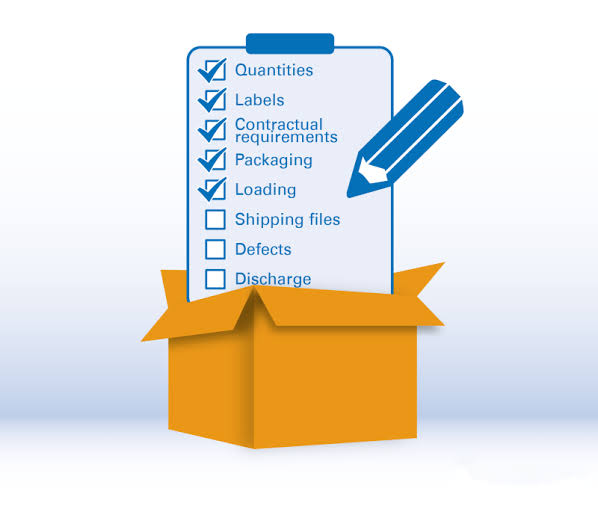
Ensure you have the basics included in your request: desired product specs and pictures, quantity breaks with tier pricing, packaging and labeling requirements, lead time estimations, price and time needed for samples, estimated carton dimensions and weights, a defective policy and return window, and preferred Incoterms to your delivery destination.
Final Thoughts
China B2B marketplaces can revolutionize how you source products, but simple platform registration doesn't guarantee a reliable supplier. Be sure to select the appropriate platform for your specific objective and adhere to a tried-and-true workflow (RFQ, verify, sample, trial order, QC inspection, then scale).
Related Articles
All articlesWhy Does Customs Hold Things Up Over "Just One Document"?
“We’re stuck because of paperwork”—this is a phrase you often hear in the world of imports. The goods seem fine. The quantities match. Yet, customs clearance isn’t moving forward. Why does paperwork alone cause such a major problem? In this article, we’ll break down the reasons from a structural perspective.
Yiwu's Ultimate Market Sourcing Guide For Global Buyers In 2026
The Yiwu International Trade Market, also well known as the "World's Supermarket" is the world's largest wholesale market for small commodities. This trading market has been designed to serve importers, product distributors, commodity retailers and e-commerce sellers from across 210+ world countries and regions. With over 75,000 physical booths and 400,000+ product SKUs ranging from small to medium and extra large products, of all diversities,categories and types, the Yiwu International Trade Market has become the top sourcing destination for global buyers seeking cost-effective, diversified and customizable wholesale products. The Yiwu's Ultimate Market Sourcing Guide For Global Buyers In 2026 is a guide aimed at elaborating on the Yiwu Market's core advantages, district layouts/product types, standard procurement/purchasing processes,common pain points, professional sourcing solutions and sourcing agent options for global newcomers and long-term buyers.
Hardware Products and Tools Sourcing from China
When you purchase hardware products from China you can earn a lot of money. However if you only consider the price you will likely end up losing money. You need to think about the strength of the hardware products materials and how accurate the sizes of the hardware products. You also need to consider how well the hardware products resist corrosion and the quality of the surface treatment of the hardware products. Hardware products from China are really different from the things you can buy in stores. China is one of the places in the world where they make hardware and tools. They make all sorts of things like hand tools, fasteners, hardware for furniture, tools for building and tools for gardening. If you want to buy hardware products from China and do well you have to be very careful. You need to be careful about what hardware products you're buying and who you are buying the hardware products from. You need to check the quality of the hardware products. What certificates the hardware products have. You also need to think about how you will get the hardware products, from China to where you need the hardware products to be.
Toys and Games Sourcing from China
Toys and games are really interesting to import because people want them all year round and there are spikes in sales during holidays. There are also some areas within this category such as educational toys, puzzles, board games, plush toys, outdoor toys pretend play sets, building toys, baby products and electronics. China is the place where most toys are made. They can do everything from making cheap ready-made products to creating custom toys from scratch. What makes toys and games different from things we import is that kids use them. This means that making sure they are safe and meet standards is really important. If a toy fails safety tests. Has parts that kids can swallow or has too much lead in the paint it can get into big trouble. This can lead to lawsuits the toy being taken away at customs being removed from marketplaces and even having to recall the product. Because of this making sure toys meet all the safety and quality standards needs to be part of the process from the beginning not something to check off at the end. Toys and games have spikes in sales. Toys and games have sub-niches like toys, puzzles, board games, plush toys, outdoor toys pretend play sets building toys, baby products and electronics. Toys are used by children so toys need to meet safety standards and toys need to meet quality standards.