Import Agency Services in China and Quality Control: Issues with Defective Products
Alibaba is one of the world's largest B2B online marketplaces, offering a wide variety of products. However, quality control is essential when importing from China and issues with defective products are inevitable.
Chinese import agents assist in importing products from Chinese manufacturers through platforms like Alibaba, performing quality control and inspections throughout the process. However, the quality of Chinese products is inconsistent and in some cases, issues with defective products may arise. These issues can cause significant damage to your business, potentially leading to decreased customer satisfaction, loss of repeat businesses and a decline in brand reputation.
Types of Defective Products and Their Impact On A Business
Defective products manifest in various forms, such as functional issues (e.g., fragility, malfunctioning), deviations from standards or specifications (e.g., size, color, material) or poor appearance and finish (e.g., scratches, stains and color fading).
The specific financial losses caused by defective products to a business primarily manifest in the following ways:
・Returns and Exchanges
If defective products are delivered to customers, return or exchange procedures must be carried out. This could result in extra transport costs and administrative efforts.
・Loss of Revenue
If customers refrain from purchasing products due to defects, sales will decline.
・Damage to brand image
Frequent defects damage the company's brand image and negatively impact future business.
・Decline in customer satisfaction
Defective products can lower customer satisfaction, potentially leading to a loss of repeat business deals and opportunities for referrals.
Inspection of Products Imported from China and Its Importance
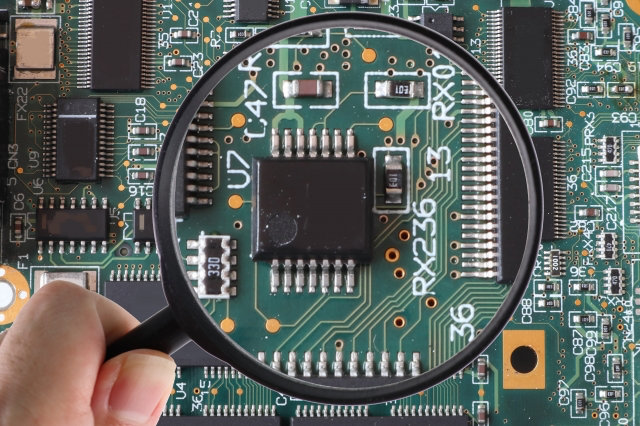
Among the roles played by Chinese import agents, product inspection is particularly important. This is an essential process for ensuring consistent product quality and minimizing the risk of defective items and it forms part of the overall quality control system. Agents determine whether or not products meet customer expectations and requirements, as well as request improvements when necessary.
1. The Role and Importance of Inspection
The role of quality inspection is to ensure that products meet customer requirements and standards.
As a result, product consistency and reliability must be maintained. Furthermore, the inspection process detects product defects and malfunctions early on, preventing defective products from reaching the market. This is also a critical process for reducing additional costs associated with returns, exchanges and remanufacturing.
Also, returns and exchanges are handled relatively smoothly within China. However, once products arrive in Japan, issues relating to time and distance may prevent inspections or exchanges from being accepted.
2. The Impact of Third-Party Inspections on Business Operations
Inspections conducted by Chinese import agents also have a significant impact on business operations.
When product quality is consistently maintained through professional inspection, customer satisfaction improves, thereby strengthening business stability and reliability.
Furthermore, since business owners no longer need to conduct inspections themselves, they can focus the time and resources on other important business activities. Providing high-quality products helps maintain good relationships with customers, which could lead to a long-term business success.
Another key benefit is that issues with defective products can be resolved in China, eliminating the risk of holding defective inventory in Japan.
As described above, quality inspections done by China import agency services contributes significantly to business reliability, stability and growth. Quality inspection is an essential process for business success and the proper management of this is crucial.
How to Inspect Goods When Using a China Import Agent
1. Pre-production Inspection: Sample Verification and Review
Pre-production inspection is the process of inspecting and evaluating product samples and it is conducted prior to the start of manufacturing. At this stage, we verify that the product meets the design requirements and the quality standards. This allows for the early identification of issues and enables design changes or adjustments to the manufacturing process as needed.
When importing products from China, it is necessary to conduct test purchases so that the business operator can directly verify the product's quality.
2. In-Process Inspection: Monitoring the Production Process
In-process inspection is conducted during the manufacturing process. We regularly monitor the production line to ensure that products are manufactured correctly and meet quality standards. This inspection allows for the early detection of issues during production and enables appropriate corrective actions to be taken.
3. Pre-shipment inspection: Final product quality verification
Pre-shipment inspection is performed before the products are shipped.
The purpose of inspection at this stage is to verify the quality of the final product and ensure that it meets specified quality standards and customer requirements. This allows us to remove defective products before shipment.
4. Third-Party Inspection: The Benefits of Quality Control by an Agent
Third-party inspection is conducted by a Chinese import agent and the benefits are significant. They possess specialized knowledge and experience, enabling them to accurately assess the product quality. They can also point out issues that your company might overlook, which can help improve the quality.
For simple corrections, the agent may be able to make them based on your correctional directives.
Tips for maintaining good relationships with Chinese manufacturers
Maintaining good relationships with Chinese manufacturers is crucial to the success of your import business.
Building good relationships helps ensure product quality and makes it easier to meet delivery deadlines.
Import/Sourcing agents play a premordial role in maintaining buyer good relationships with manufacturers. They do so in the following ways.
1. Communication through an agent
Using a Chinese import agent allows you to overcome language barriers and cultural differences. Agents typically speak Japanese and are well-versed in the Chinese business environment, enabling smooth communication with manufacturers. They play a vital role in building trust with your business partners.
2. Clearly Communicate Quality Control Standards and Expectations
Clearly communicating quality control standards and expectations from the outset is essential for maintaining good relationships with Chinese manufacturers. This allows manufacturers to understand what they need to do to ensure that their products meet customer expectations.
It also makes feedback based on inspection results more specific and easier to understand both for manufacturers and for buyers. This helps reduce the occurrence of defective products.
Effective Use of Inspection and Quality Control Through China Import Agency Services
Inspection and quality control through a China import agency can greatly contribute to the success of your business.
Here are some effective ways to utilize this service:
① Ensuring Product Quality
Chinese import agents verify product quality from a professional perspective. They conduct inspections according to pre-established strict quality standards, thereby ensuring product consistency and reliability. This improves customer satisfaction and helps build long-term relationships with customers.
Proper inspection helps reduce costs associated with returns, exchanges and remanufacturing due to defective products. Additionally, using a China import agent saves your company the time and resources required to conduct inspections in-house.
③ Risk Management
Quality control handled by an agent significantly reduces business risks. By ensuring product quality, you can prevent legal issues caused by product defects and protect your brand's reputation.
④ Maintaining Good Relationships with Suppliers
Agents also play a role in facilitating smooth communication with suppliers. They can effectively convey quality requirements and feedback, overcoming language barriers and cultural differences.
⑤ Feedback For Quality Improvement
Inspection results provide crucial feedback for improving product quality. If defective products are found, the cause can be investigated and corrective measures can be implemented to prevent similar issues from recurring.
Key Considerations for Choosing a Third-Party Service Provider, and Specific Tools and Resources to Streamline the Inspection Process
Choosing a Chinese import agent is a critical step for business success and it is essential to evaluate how professionally each agent approaches quality control and what specific tools and resources they utilize.
First, key factors in selecting a good agent would include the agent's industry experience and knowledge, communication skills and the quality and transparency of their reports.
Specific industry knowledge and extensive experience provides the foundation for properly evaluating product quality.
Furthermore, by possessing language proficiency and business skills, the agent can minimize cultural differences and misunderstandings, ensuring effective communication.
Finally, the quality and transparency of the reports provided by the outsourcing agency serves as a crucial feedback for quality improvement.
Next, one should consider the agent's access to specific tools and resources which can facilitate and bring about a smooth inspection process.
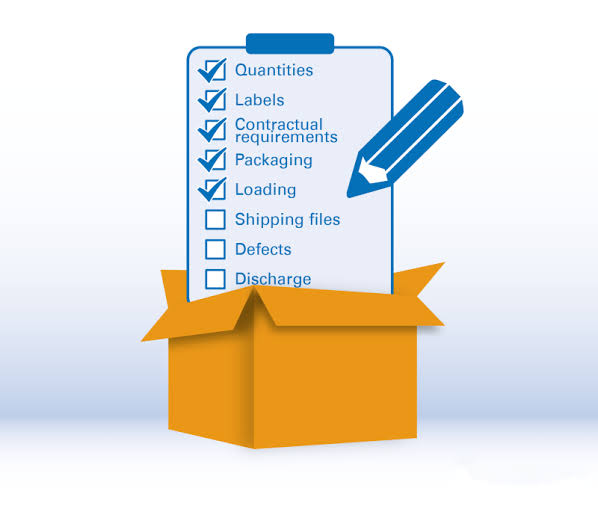
For example, suppose you purchase goods on Alibaba through an import agent and the agent conducts the inspection in China. An inspection checklist is a powerful tool for conducting consistent quality assessments. This lists clarifies the criteria for each product and helps manage quality better.
Furthermore, utilizing quality control software makes it possible to efficiently track and analyze inspection results. Such software allows you to plan specific actions for quality improvement based on data. It is also important to verify whether the agent adheres to the strict inspection standards required for the Japanese market.
As described above, selecting the right agent and using the appropriate tools are essential for ensuring the success of your import business from China, guaranteeing quality and mitigating business risks.
Summary
Success in the business of importing from China depends heavily on a consistent supply of high-quality products. To ensure product quality, inspection processes and quality control are essential. This process helps reduce defective products, save costs and mitigate business risks.
While quality control may seem like a complex process, with proper planning and a reliable import agency partnership, it can be made an achievable goal.
To ensure the quality and success of your business, try utilizing these concepts and tools.