Considering the Line Between "Doing Too Much" and "Not Doing Enough" from a Structural Perspective
When dealing with imports from China or Chinese OEM manufacturing, there’s one issue that many people struggle with at some point.
That is the question of “how thorough should quality inspection be?”
・I feel uneasy if I don’t conduct thorough inspections
・But inspection costs keep rising
・If you go overboard, there’s no profit left
・Conversely, if you cut corners, defects start piling up
As you can see, quality inspection is a process where doing too much leads to failure, and doing too little also makes failure likely.
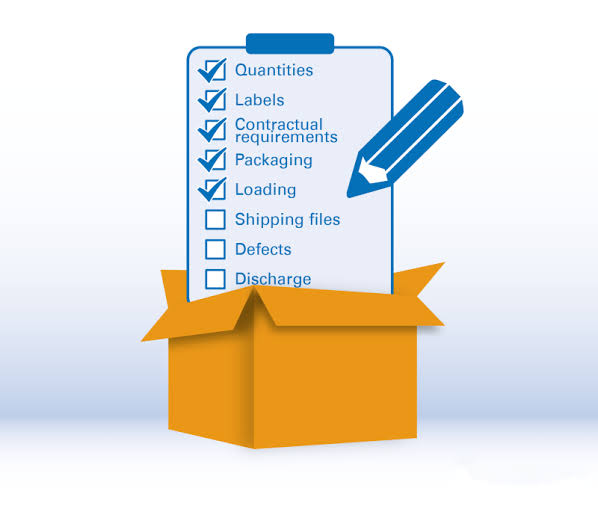
In this article, we’ll reframe inspection not as a “task for peace of mind,” but as a design element essential to the viability of the business, and explore:
・Why inspection efforts fail
・The real risks of over-inspection
・The fatal consequences of insufficient inspection
・How to determine the appropriate inspection level
・Realistic inspection standards tailored to specific products
We’ll organize these points based on structure, not just intuition.
Why Does "Inspection" Often Become an Issue When Importing from China?
Compared to purchasing domestically or directly from manufacturers, quality inspection is particularly important when importing from China.
The reason is simple.
・You cannot see the manufacturing site
・Quality standards differ from those in Japan
・Zero defects are not a given
What constitutes “pass” for a Chinese factory does not necessarily align with what constitutes “pass” in the Japanese market.
The inspection process is designed to bridge that gap.
However, in many cases, these inspections are based on subjective judgment.
・We inspect everything because we’re worried
・We make inspections stricter because we’re afraid of complaints
・Wanting to cut inspection costs for now
These kinds of decisions lead to two extremes: overdoing it or not doing enough.
Problems Caused by "Insufficient Inspection"
First, let’s look at some clear examples of what not to do.
Defective products entering the market
If you neglect quality inspection, defective products are bound to slip through.
And when importing from China, the problem doesn’t stop at just one defective item.
・The same production process
・ The same materials
・Same workers
If these are the causes, defects will occur in bulk.
Failing to inspect the goods means accepting the risk of “flooding the market with defective products.”
Complaint handling costs will skyrocket
If you skip inspection, your apparent procurement costs will decrease.
However, subsequently,
・Handling returns
・Refunds
・Reshipments
・Lower review ratings
・Deterioration of account ratings
—the costs associated with these follow-up processes will skyrocket.
It’s a system where, even though you intended to cut inspection costs, you end up paying much higher costs later on.
It becomes difficult to identify areas for improvement
Without inspection, you won’t know “what’s wrong.”
・Is it a factory issue?
• Is it a packaging issue?
・Is it a transportation issue?
If you don’t identify the cause, you’ll repeat the same mistake with the next batch.
Another pitfall caused by "over-inspection"
On the other hand, there are also many cases where quality inspections are taken too far.
Inspection becomes an end in itself
The true purpose of inspection is not to eliminate all defects.
The goal is to
・Preventing critical defects
• Keeping the defect rate within manageable limits
・Gathering information that leads to future improvements
.
However,
・100% inspection
・Demanding perfection down to the finest detail
・Imposing Japanese standards as-is
When this happens, quality inspection becomes a “laboratory of torment” rather than a means of “quality improvement.”
The profit structure breaks down
Inspection always incurs costs.
・Labor costs
・Time
・Repackaging
・Re-work
When you add all of this up,
・Costs don’t add up
・We can’t raise prices
・No profit remains
This is the situation you end up in.
It’s putting the cart before the horse to spend money on quality control only to find that the business can’t survive.
Factory improvements stall
Excessive inspection can weaken the factory’s motivation to improve.
“They’ll just check everything on the Japanese side anyway.”
If they start thinking that,
・Process improvement
・Improving work precision
become difficult to achieve.
Inspection is not a mechanism designed to coddle the factory.
Inspection is determined by “design,” not “process.” Here is a crucial point to consider.
Inspection should not be determined by “how much to do,” but rather by “where, what, and why to check.”
In other words, inspection is not a task; it is a design decision.
Three Key Factors in Determining Inspection Standards
In practice, the inspection level is determined based on the following three factors:
・Unit price and profit margin
・Products with low unit prices
・Products with a narrow profit margin
In this case, 100% inspection is not practical.
On the other hand, for high-priced items or those where a complaint could be fatal to the business, there is a rational basis for conducting more thorough inspections.
Impact of Defects
When a defect occurs,
・Is it merely unusable,
• Does it pose a safety hazard?
• Does it damage brand value?
The greater the impact, the more inspection should be prioritized and accelerated.
Patterns of Defects
Do defects
・Occur randomly
・Concentrated in specific areas
This determines whether a 100% inspection is necessary or if a sampling inspection is sufficient.
A Practical Approach to Inspection (By Stage)
Initial batch
In the initial phase, we view inspection not as a cost but as a means of gathering information.
・Appearance
・Functionality
・Quantity
・Packaging
We conduct a broad inspection of these areas to identify trends in defects.
While it may not be necessary to inspect every single item, setting a high inspection rate is a practical approach.
Continuous Lot
If a defect trend is identified,
・Focus inspection only on problem areas
・Lower the sampling rate
and other measures to scale back inspection efforts.
The key here is to reduce the inspection based on "data," not "habit."
Stable Batches
For products with consistent quality,
・Quantity verification
・Checking the outer packaging
and other minimal inspections.
Only then can inspection be freed from the trap of “overdoing it.”
Should we outsource quality inspection or handle it in-house?
The location where inspections are conducted is also important.
・In-factory inspection
・Inspection at a warehouse in China
・Inspection upon arrival in Japan
Each has a different role.
The key point is that correction costs increase the further down the process you go.
The more critical the defect, the earlier it should be caught in the process.
This is the fundamental principle of inspection design.
A Summary of Strategies for Successful Quality Inspection
When importing from China, quality inspection should not be increased simply for peace of mind, nor should it be reduced solely to cut costs.
Inspection is
・To prevent business disruption
• To keep defects within manageable limits
・To drive future improvements
.
The line between doing too much and not doing enough lies in whether that inspection holds significance for the next decision.
Meaningless inspections are overkill.
Failing to perform meaningful inspections is not doing enough.
With this perspective, inspection is not a cost, but an investment in stabilizing the business.