Choosing the Most Suitable China Wholesale Market For Your Product
China's wholesale markets are across different cities and industrial regions, with many areas specialising in particular product categories. It is not always necessary to visit the largest market in search of what you want. In most cases, a specialised market provides for you more relevant suppliers and a wider choice within one product category. The table below shows a starting point for matching your products with suitable sourcing locations.
| Product category | Recommended sourcing region |
| Small commodities and gifts | Yiwu |
| Clothing and fashion | Guangzhou |
| Electronics and components | Shenzhen Huaqiangbei |
| Furniture | Foshan Lecong |
| Fabrics and textiles | Shaoxing Keqiao |
| Toys | Shantou Chenghai |
| Lighting | Zhongshan Guzhen |
| Bags and leather goods | Guangzhou Shiling |
| Home textiles | Nantong Dieshiqiao |
Small commodities and gifts – Yiwu
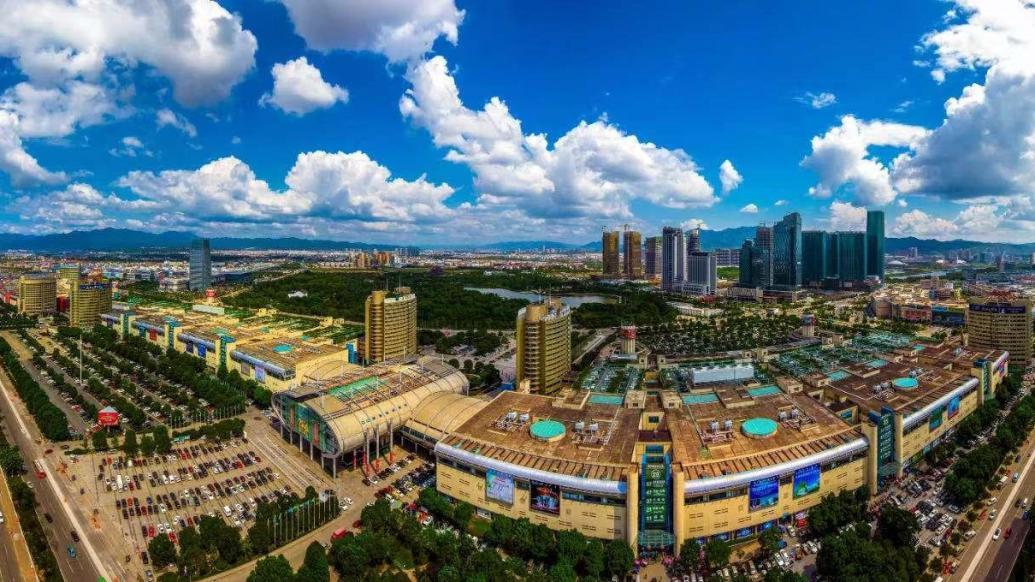
Yiwu is noted for its large range of everyday consumer goods which comprises of stationery, accessories, decorations, kitchen items, party supplies and promotional gifts. The Yiwu International Trade City stands as the main attraction for buyers who want to compare many product types in one place. It is useful especially for importers who want to buy several small product categories from different vendors. Small trial orders can sometimes be possible, even though some sellers need minimum quantities or purchases in cartons. It is very vital for buyers to pay keen attention to product consistency, material quality and if the same designs will remain available for future orders.
Clothing and fashion – Guangzhou
One of China's major clothing wholesale centres is Guangzhou, with markets providing different fashion areas. Baima is well known for more midrange and higher-end clothing, while Shahe on the other hand is popular for affordable, fast-moving fashion and Shisanhang tends to lure buyers who are in search of trend-driven women's clothing. Buyers can often find a broad selection of styles readyly-made, but minimum quantities can also vary between stalls. Those importing fashion items should check fabric composition, sizing, and stitching and colour consistency, especially when ordering the same design in different colours.
Electronics and components – Shenzhen Huaqiangbei
Huaqiangbei in Shenzhen is a good place for electronic products, accessories, components and related equipment. Its markets are useful especially for buyers sourcing phone accessories, circuit boards, electronic parts and small consumer devices. The area is suitable for product testing as some vendors sell individual units or small batches. In spite of that, electronics need very careful checks because products that appear similar can differ in performance and specifications. Certifications, warranty terms and if components are genuine, compatible and meet up with the needs of their intended market should also verified by the buyer.
Furniture – Foshan Lecong
Lecong in Foshan is recognised widely for its large furniture wholesale and showroom network. It gives buyers the opportunity to explore living-room furniture, bedroom sets, dining furniture, office furniture and interior furnishings from many suppliers. The area is equally useful for comparing designs and prices, especially the equipment are meant for furnishing hotels, offices, apartments or retail spaces. Smaller orders can be possible, but large furniture pieces often involve higher minimum purchases and more complicated transport arrangements. Buyers should always take note dimensions, materials, construction quality, packaging and the cost of shipping bulky goods.
Fabrics and textiles – Shaoxing Keqiao
A good textile sourcing area is Keqiao in Shaoxing, known for the supply of fabric trading and textile. The China Textile City market makes available a wide range of materials for clothing, upholstery, home furnishings and other applications. The location is equally good for garment manufacturers, fashion brands and businesses that need fabric in different colours, patterns and finishes. Sample quantities are usually useful during the selection stage, while purchases in bulk can be subject to roll, colour or production minimums
Toys – Shantou Chenghai
The Chenghai in Shantou, China, is specialized in manufacturing and trading toys. It makes available a broad selection of plastic toys, toys for educational purposes, remote-control products, building sets and other children's products. Buyers can source ready-made products or come across manufacturers for customised designs and packaging. Small orders can be available through trading vendors, while factory orders can demand higher quantities. Those purchasing toys should pay keen attention to age suitability, small parts, material safety, applicable testing standards and certification requirements in their destination countries.
Lighting – Zhongshan Guzhen
The best known lighting production and trading centre, with showrooms and suppliers offering decorative, commercial and residential lighting is the Guzhen in Zhongshan. This place has chandeliers, ceiling lights, LED products, outdoor lighting and lighting accessories. It is a suitable place for retailers, contractors, interior designers and importers sourcing products for building projects. The sizes for orders are dependent on the product and supplier, with some vendors making provision for samples and others preferring carton or project quantities.
Bags and leather goods – Guangzhou Shiling
Shiling, in Huadu District of Guangzhou, is an area meant for leather goods and luggage production. It is useful for sourcing handbags, wallets, backpacks, travel bags and related accessories. In this market, buyers can be find ready-made designs as well as suppliers offering private-label options and custom branding. Small test orders can be made available from trading vendors, while customised production demands for higher quantities. Before going ahead to buy, check the actual material used, stitching, zippers, lining, hardware and whether the supplier can reproduce the same quality in future batches.
Home textiles – Nantong Dieshiqiao
Dieshiqiao in Nantong is a home textile trading area, known especially for bedding and household fabric products. This market is useful to buyers who are sourcing for bedsheets, duvet covers, pillowcases, blankets, towels and other soft furnishings. It is equally useful for homeware retailers, hotels, accommodation businesses and distributors. Suppliers can make available ready-made stock or produce goods according to specific sizes and fabric requirements.
Wholesale Market vs Factory vs Online Sourcing: Which Is Better?
To find the right product is only one part of sourcing from China; taking a decision on where to buy it is equally important. A physical wholesale market is good because it gives you the chance to see products and compare vendors, while factories are often better for customised production and repeat orders. Online platforms facilitate the process of contacting suppliers without having to travel, but the level of verification needed in such a case can be higher. Each channel has advantages, and the best choice depends on whether you need ready stock, small quantities or products made to your specifications.
| Sourcing channel | Best suited for | Main advantage | Main limitation |
| Physical wholesale markets | Ready stock and multi-SKU buying | See and compare products in person | Travel and local coordination costs |
| Manufacturing-cluster factories | OEM, ODM and large repeat orders | Direct production communication and customisation | Higher MOQs may apply |
| 1688 | Domestic-market products and small-to-medium purchases | Wide product selection and competitive listings | Language, payment and export support can be challenging |
| Alibaba | International wholesale and export-oriented orders | Easier communication with overseas buyers | Prices and supplier quality still require verification |
1. Physical markets are useful when you want to inspect products directly, compare several vendors and buy different styles or product categories.
2. Manufacturing-cluster factories are a good option when you need custom designs, private labelling, special specifications or consistent large-scale production.
3. 1688 is useful for buyers who are looking for a wide range of products from suppliers serving China's domestic market, especially when working with a local purchasing agent.
4. Alibaba is usually more convenient for international buyers who are in need of export communication, supplier enquiries and customised wholesale quotations.
5. Small test orders are sometimes easier to arrange through market vendors or online traders, though the actual MOQ depends on the supplier.
6. Long-term production orders are better handled through factories that can demonstrate the capacity and processes needed to maintain consistent quality.
Comparing Wholesale Suppliers, Prices, and MOQ
Once a suitable market or sourcing platform has been located, the next thing to do is choose who to buy from. You can come across market stall operators, trading companies and manufacturers selling similar products, sometimes available at very different prices. The attractive look of the cheapest quotation does not necessarily represent the best deal. Differences in materials, specifications, packaging and order conditions can explain why a supplier charges more than another. Comparing suppliers properly means looking at what you will actually receive and if the business can meet up with your needs beyond the first order. Here are the points to consider when comparing
1. Know if the supplier is a market stall operator, trading company or actual manufacturer.
2. Compare the product specifications, including materials, dimensions, weight, colours, finishes and packaging.
3. Ask for samples from shortlisted suppliers and check if the bulk order will match the approved sample.
4. Ask for the MOQ per style, colour, size and SKU instead of accepting one general minimum order figure.
5. Ask for tiered prices for the different quantities so that you can understand how the unit cost changes as your order grow.
6. Check and find out if the supplier permits mixed styles, colours or sizes within one order and whether this affects the price.
7. Confirm production or the availability of stock before paying, especiarly when purchasing seasonal or fast-moving products.
8. Ask whether the supplier can maintain the same specifications and quality for repeat orders.
9. Compare payment terms, production timelines, packaging costs and after-sales support before making your decision.
A supplier offering a lower unit price may be using cheaper materials, selling older stock or excluding services that another supplier has included. For example, one clothing vendor can give a lower price but need a large quantity per colour, while another can accept a mixed order at a slightly higher unit cost. The better option to pick depends on your expected sales, available capital and ability to move the stock. Always compare quotations based on the same product specifications and order quantities.
Buying from China Wholesale Markets remotely
Travelling to China is not the only means to buy from its wholesale markets. Buying remotely demands a reliable way to confirm product details and check what will actually be shipped. The process the best when you have clear product requirements and someone who can help verify the goods before they leave China. Below are ways to buying remotely from China markets.
1. Search for market vendors through platforms such as 1688, Alibaba, Yiwugo and other supplier directories.
2. Contact vendors directly to ask for current product catalogues, prices, MOQs and available stock.
3. Make a live video call to view products, check details and ask questions about materials, sizes and finishes.
4. Ask to be given samples and have them delivered to your address or a local sourcing agent's warehouse before placing a bulk order.
5. Use a China-based sourcing agent to visit market stalls, compare vendors, negotiate terms and purchase products on your behalf.
6. Instead of solely depending on catalogue images, ask for pictures and videos of the actual goods received at the warehouse.
7. Make arrangements for an inspection before shipment if you cannot travel to China to check the order yourself.
An in-person visit is worth considering when you are sourcing products of high-value, need to inspect several suppliers closely or plan to build long-term relationships with manufacturers. It can equally be useful when the quality of the product is difficult to judge through pictures or samples. On the other hand, remote sourcing can be more economical when you already have in mind what you want.
Steps to Consolidating and Shipping Products from Different Wholesale Markets
1. Keep a separate order record for each supplier, including product links, quantities, prices, specifications and expected delivery dates.
2. Give each supplier the correct warehouse address and receiving instructions before they send out the goods.
3. Ask the warehouse to record incoming packages and match them against the corresponding purchase orders.
4. Arrange inspections to check quantities, visible damage, product specifications and packaging before consolidation.
5. Verify each SKU, colour, size and model to avoid mixing similar-looking products from different suppliers.
6. Ask the warehouse to take pictures of received goods and report missing, incorrect or damaged items before shipment.
7. Be sure of which products can be packed together and whether any items require separate handling or shipping arrangements.
8. Ask for a consolidation and packing plan that considers carton sizes, shipment weight, volume and destination requirements.
9. Compare suitable international shipping options based on delivery time, cost, cargo type and customs requirements.
Conclusion
China makes available a wide range of wholesale sourcing opportunities, yet the best results that tops the list often comes from choosing the right location for the products you want to buy. Yiwu is a good starting point for small commodities, Guangzhou is a major clothing and fashion centre, and Shenzhen is useful for electronics and components. Other specialised areas, like Foshan, Keqiao, Chenghai and Guzhen, assists buyers find suppliers with experience in specific product categories.You do not necessarily have to visit every market to take advantage of these opportunities. Online platforms, remote product reviews and local sourcing agents make it possible to buy from different parts of China without having to travel. What matters most is checking suppliers keenly, comparing the products on equal terms and planning how the goods will be received and shipped. When you put together all purchasing and logistics costs in your calculations, you can make better sourcing decisions and avoid surprises after placing your order.