The Services a 1688 Sourcing Agent Should Provide
The term "1688 agent" is usually used to describe different types of service providers, but they all do not carry out the same job. Some assist buyers in placing orders and others take care of several stages of the sourcing process. There also exist freight forwarders, whose first responsibility is getting goods from one location to another. Being aware of these differences matters because you may not need every service an agent offers. What you need will depend on if you already have suppliers, how many products you are buying and on how much support you expect.
1. A buying agent places orders on 1688 for customers who cannot easily make purchases directly from Chinese suppliers.
2. A sourcing agent facilitates the process of finding suitable suppliers, compare products, negotiate prices and arrange purchases.
3. A freight forwarder handles mainly cargo collection, storage, consolidation and transportation.
4. Buyers who already know which suppliers they want to use may only need an agent to purchase the goods and arrange delivery.
5. Businesses in the state of trying out new products may need a sourcing agent who can compare suppliers and help in the arrangement of samples.
6. Importers who are buying from several suppliers usually can benefit from an agent who coordinates orders, receives goods and combines them for shipping.
7. Buyers who have completed their purchases but still need help transporting the goods can work with a freight forwarder.
The cost of a 1688 Sourcing Agent Charge
There exists no single price for using a 1688 sourcing agent. Some agents charge a commission based on the value of your order, others make their money through product markups or fixed service fees. You sometimes also have to pay separately for things like inspection, storage, repacking and shipping. This is the reason two agents providing what appears to be the same service can give very different quotations.
1. Commission-based agents charge a percentage of the total product value, with the rate that usually depends on the size of order and services required.
2. Some agents provide membership plans that need a recurring payment in order to have access to their purchasing services or other benefits.
3. Agents who add markups to product prices may not charge a separate commission, so compare their prices with the original 1688 listings.
4. Fees meant for inspection cover additional checks on products before they leave the warehouse and can be charged separately from the purchasing fee.
5. Warehousing and consolidation fees can apply when goods from different suppliers are received, stored and prepared for one shipment.
6. Logistics charges depend on the shipment's weight, volume, destination and chosen transport method.
7. Always find out if the quotation comprises of domestic delivery, agent fees, inspection, storage, packing and international shipping.
In order to understand what you will actually spend, add all the costs involved in getting the goods from the supplier to your desired destination.
Total landed cost = Product cost + Domestic delivery + Agent fees + Inspection + Warehousing and packing + International shipping + Applicable customs duties and taxes.**
For instance, imagine buying products worth $1,000. Domestic delivery costs $40, the agent then charges $80, inspection costs $30, warehousing and packing cost $50, and international shipping comes to $300. Your estimated total would be $1,500 before customs duties and taxes. It is important to look beyond the product price because the additional charges can make a noticeable difference to your final spending.
How to Verify a Reliable 1688 Sourcing Agent
You can want to trust your sourcing agent with, placing an order, handling your payments, communicate with suppliers and take responsibility for goods before being shipped out of China. That makes it important to carry out a few checks before entering into an agreement. It should be noted that a good-looking website or a low service fee is not enough to prove that a company is reliable. Always ask questions, request evidence and pay attention to how the agent openly explains its process. A genuine service provider should have no problem giving you reasonable information about its business and operations. The following are steps on how to verify such a service provider.
1. Ask for the company's registered name, business address and available registration details.
2. Check that the company's contact information appears the same across its website, invoices and business documents.
3. Find out how payments are being handled and whether you will receive order confirmations, supplier invoices and payment records.
4. Find out if you can see the original 1688 product links and supplier details before the agent makes a purchase.
5. Search for customer reviews on independent platforms instead of depending only on testimonials published on the agent's website.
6. Request for previous orders, inspection reports or warehouse photographs to get a better idea of the company's experience.
7. Find out if the agent has staff that can communicate directly with Chinese suppliers and follow up when problems arise.
8. Ask whether the company has its own warehouse or works with a third-party facility, and clarify who is responsible for your goods while they are there.
The QC, Warehousing and Shipping Services you should expect
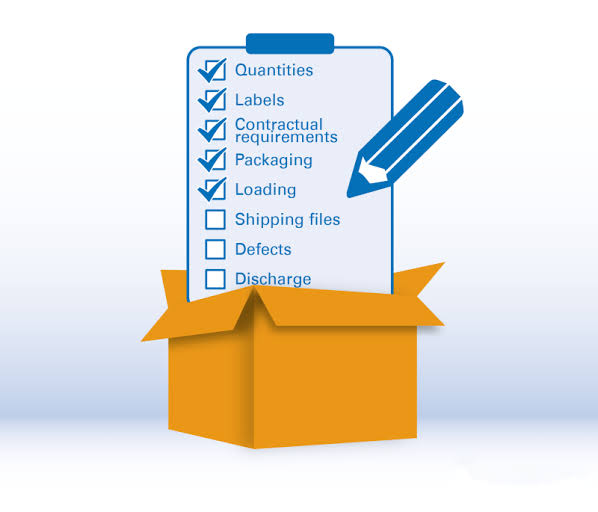
When your order has been placed, there still involves a lot to take care of before it reaches you. Every product needs to be received, checked and prepared for transportation. This is very important especially when buying from different suppliers because you need to be sure that everything has arrived before arranging shipment. A sourcing agent can make available these services as part of a package or separately charge for them. Before you go ahead to place an order, find out exactly what the agent will check, how long goods can remain in the warehouse and also know what happens if a problem is discovered.
1. Product verification deals with checking that the selected product, supplier and specifications match what you requested.
2. Quality control should cover agreed details like quantity, colour, size, materials, appearance and visible defects.
3. The pictures taken of the product allows you to see the goods received at the warehouse before they are approved for shipping.
4. Inspection reports should include photographs and clear findings, especially when you have asked for detailed quality checks.
5. Warehousing involves receiving packages from suppliers, recording the goods and keeping them safely until arrangement is done for shipment.
6. Consolidation makes it possible for products purchased from different suppliers to be brought together and prepared for one shipment where practical.
7. Repacking usually involves removing unnecessary packaging, strengthening cartons or preparing goods to meet requirements for shipping.
8. Shipping coordination means helping you choose a suitable transport option and arranging the movement of goods to your destination.
9. Make confirmations on whether customs documentation and duty arrangements are included or whether you will need to handle them separately.
Comparing 1688 Sourcing Agents before making a final choice
It is easy to stay close to an agent who promises low fees and fast delivery, but those promises do not tell you much about the quality of the service. A better method is to give several agents the same order details so as to compare what each one offers. This helps you to determine if the price difference comes from the commission, the services included or added charges that have not been mentioned. You should also pay attention to how the agent handles mistakes and disagreements. Before trusting a company with a large order, consider starting with a smaller purchase. The steps below show how you can compare 1688 Sourcing Agents before choosing one.
1. Send each agent the same product links, quantities, specifications and delivery destination when you are requesting quotations.
2. Compare the full cost of purchasing, domestic delivery, inspection, warehousing, packing and international shipping.
3. Carry out checks on if the agent shares original supplier information and purchasing records or adds undisclosed markups to product prices.
4. Look at the services in each quotation and ask about anything that may cause an additional fee.
5. Ask for clear refund and compensation terms for payment errors, missing products, damaged goods and supplier disputes.
6. Find out who will contact the supplier and handle problems if the delivered goods do not match your requirements.
7. Compare estimated processing and shipping times, and ask how delays outside the agent's control are handled.
8. Always remember to start with a small trial order to see how well the agent communicates, places orders, checks products and coordinates delivery before committing to larger purchases.
Conclusion
A 1688 sourcing agent saves time and makes purchasing from China a less complicated process. If you happen to choose the wrong on, it can create problems that cost more than the service itself. Make sure to always take the time to understand what each agent provides and if those services match the way your business operates. In case you already have suppliers, you may only need purchasing and shipping support. A more complete sourcing service can sometimes be worth the extra cost if you are still searching for products, comparing factories or buying from several sellers.
It is risky making a decision based on commission alone. You should always ask for a full quotation, check the company's background and make sure you know how your products will be inspected, stored and shipped as well. Most importantly, test the service with a small order before placing a large one. An agent who communicates clearly, gives a proper purchasing record and handles problems in a responsible manner is even more valuable than one who simply promises the lowest price.