Who Are Dollar Store Vendors ?
Dollar store vendors are manufacturers who market a lot of low- to moderately priced items, often with labels and packaging that is suitable for displaying in stores.
There are various kinds of suppliers:
Importers and wholesalers with substantial catalogs and stock in hand
● Trading companies and export vendors obtaining goods from more than one factory
● Factories which produce private label or OEM products directly
●Liquidation or closeout vendors who sell products that are currently out of stock or no longer accessible
Local distributors that make it easy to return items and restock quickly
The best combination of multiple vendors usually includes:
●wholesalers and distributors for quick restocking
●factories for private labels and stable costs over time
What Do Dollar Stores Want from Vendors
(Keep In Mind, This Is Not The Same As "Regular Wholesale")
There are certain things that dollar stores need:
1. Quality packaging at an appropriate price
You are not just buying products; instead, you're buying products that fit a price range for shelves, like $1, $1.25, $3, or $5. That means:
●Appropriate pack sizes.
●Kept the cost of the product low.
●Packaging that performs well in stores
2. A lot of sales and marketting, but not much profit
Even tiny issues or damage can cost you money. Due to this, its fair to say quality control for vendors is important.
3. Consistent Restocking
Dollar stores depend on best-selling items that sell well over and over again. Vendors need to have a steady supply and be able to reorder when they need to.
4 Packaging that is shelf and barcode ready
For a store to be successful, it needs:
●Labeling with barcodes and UPCs
●Consistent case packs
●Labeling the master carton
●Show different kinds of packaging, like PDQ trays, hanging packaging, and so on.
The Most Beneficial kinds Of Products For Dollar Stores
Dollar stores usually do best with:
●Equipment for cleaning the house which do not use chemicals.
●Kitchen necessary products that do not require electricity, like utensils, clips, and organizers.
●Storage and organization (small storage containers, hooks, and bins).
●Schooling supplies and office equipment.
●Ornaments and amenities for parties( for each festive the season).
●Gifts and recreational items (things that aren't heavy and don't need to be moved).
●Beauty tools like brushes, mirrors, and travel bottles.
●Supplies for pet owners, like bowls, brushes and poop bag holders.
●Phone components (non-powered ones such as cases, holders, cables—be careful with compliance regulations).
Tip: Don't choose categories that require a lot of compliance unless you can test them and have good vendor support.
Where To Find Suppliers For Dollar Stores
1、 Wholesalers and distributors in the US (quickly and steadily)
These suppliers usually offer:
●Stock in hand.
●Quick shipment.
●Return procedures are easier.
●UPC labels that are constantly identical.
Best for: Basic SKUs and constant inventory replenishment.
2、 Importers and Trading Companies (A Lot of Different Types)
They get their goods from a number of factories and can offer low prices, especially on seasonal items.
Best for: A lot of different SKUs, seasonal sales, and mixed containers.
3、 Direct factories (best for private label and long-term costs)
If you want better margins and a steady supply of best-sellers, factories can:
●Make your branding and packaging.
●Make the pack size work for your price point.
●Secure specs for constant repeat purchases.
Best for: items that are ordered in large quantities.
4、 Closeout / Liquidation Suppliers (Good for Deals, Higher Risk)
Closeout suppliers can offer deep discounts, but stock will be inconsistent.
Best for: opportunistic purchases and special deals which come up from time to time.
Risk: no stable and consistent supply of inventory, no capacity to rely on product quality, inconsistency in packaging of goods.
5、 Trade Shows and Retail Supply Expositions
Trade fairs let you:
●Make a comparison of price tiers and packaging formats.
●It permits you meet vendors who understand retail requirements.
●Trade shows could equally facilitate negotiations on case packaging and private label options.
Best for: building long-term vendor list.
6、 Sourcing Partners (Helpful for Overseas Vendor Management)
If you’re sourcing from China or multi-supplier networks, a procurement partner can help:
●Supplier screening vetting and verification.
●Packaging development for price-point retail.
●Quality control inspections and defect control.
●Consolidation and shipping planning.
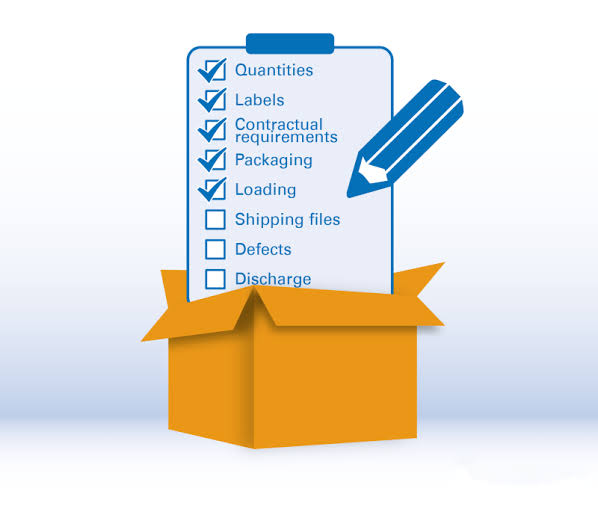
How to Vet Dollar Store Vendors (Checklist)
A、 Price-point Analyses
Ask:
●Make inquiries about your unit cost at your target case pack.
●Make demands for price slashes and discounts for voluminous purchases.
●Packaging options which will fit your retail price points.
B、 Packaging and barcodes
Confirm:
●UPC/barcode availability.
●Consistent case proper packaging.
●Master carton logos.
●Display packaging options (PDQ trays, hanging holes).
C、 Quality and defect policy
Dollar store margins are tight—defect handling must be clear:
●Ensure replacement/refund and credit rules are duly observed.
●Claim time window.
●Ensure goods purchased meet quality specification standards before shipment is done.
D、 Supply stability
Ask:
●Confirm the restock lead time.
●Inquire about longevity of product (long-term item or seasonal only).
●Ensure stable availability of raw materials (plastic, paper, textiles).
E、 Compliance support
Depending on category, confirm:
●Labelings and warnings.
●Test reports (especially for children's products, food-contact items and electronics).
Red flags
●Suppliers that give vague answers about packaging and barcodes.
●Inconsistent carton measurements which could lead to shipping cost risk.
●“Too good to be true” pricing.
●Avoid suppliers who can't provide clear defect policies.
●A red flag supplier will be one who cannot support consistent reorders.
A Step-by-Step Guide To Building A Dollar Store Vendor System
Step 1: Define your store strategy
●Systems on how to restock core everyday items.
●Systems on how to yield high turnover for seasonal items.
●Systems on how to yield high turnover from impulse items near checkouts.
Step 2: Build a vendor shortlist
Aim for:
●3–5 main suppliers for restocking.
●5–10 seasonal/variety suppliers.
●1–2 closeout suppliers for deals.
Step 3: Test orders before scaling
Start with small orders to verify:
●Packaging and barcode accuracy.
●Packaging consistency.
●Rate of defective goods.
●Shipment schedules and lead time accuracy.
Step 4: Standardize your purchasing requirements.
Create a simple supplier standard:
●Draft your own packaging specifications.
●Emphasize on carton strength and size requirements.
●Specify your Label and UPC rules to the supplier.
●Specify your acceptable defect rates and inspection processes.
Step 5: Track vendor performance
Use supplier KPIs:
●On-time delivery.
●Defect rate.
●Fill rate (complete shipments).
●Claim handling speed.
●Price stability.
Most Favorable Strategies for Dollar Store Purchasing
●Make purchases on more lightweight, non-fragile products to reduce the probability of damaged goods in transit.
●Optimize pack sizes to hit price points.
●Suppliers with stable restock for best-sellers goods should be given preference.
●Use suppliers who provide quality control inspections for overseas orders.
●keep backup vendors for top SKUs.
●Avoid high-compliance categories unless vendor support is strong.
Final Thoughts
Dollar store supplier selection is a system: price-point packaging + QC + restock stability + barcode readiness. When you build a balanced supply network (distributors for speed, factories for cost, closeouts for deals), your dollar store supply chain becomes stable and profitable.