Understand the supplier's point of view.
The supplier does not see you as just a buyer who pays for the unit price. The supplier also considers your order quantity, complexity of production, risks for payment, workload of communication and future potential for repeat orders. A good buyer is an organized buyer with a realistic price, a clear requirement, professional communication and one who can create future business opportunities.
Prepare well before the negotiation.
Research the market price before the negotiation. Take time to search prices on Alibaba, 1688, Global sources. Prepare a detailed brief including the material, dimension, color, logo, package, quantity and certification for the item. You need to know the range of the market price otherwise you will either push too hard or make suppliers accept too much payment.
Do not ask "What is your best price?".
This is usually not a good way to start. Instead, show you are comparing and negotiating with clear data by providing the order quantity and price levels of different quantity ranges. This makes it easier to respond.
Compare suppliers before negotiate
Contact several suppliers, compare unit price, MOQ, materials, packaging, lead time, payment term, extra cost of customization and communication quality. You should not start negotiation unless you have some reliable data from several suppliers. Do not use competitor's quotation as a threat if it is unprofessional. The correct way is asking suppliers whether or not there is a discount, when you increase the quantity further.
Negotiate on quantity tiers
Asking for a price breakdown of different order quantity levels (500 / 1,000 / 3,000 / 5,000, etc.). When you place a small test order and plan a longer term, you should explain your intention with concrete growth plan. Suppliers will be more willing to offer support when they realize that you are not just buying and ending it.
Negotiate over things other than price
If the unit price cannot be adjusted further, try to negotiate over other terms that add value such as lowering MOQ, sample payment discount, or no charge for molds, export carton strengthening, logo setup charge waived, faster lead time, assistance for third party inspection and better price for repeat orders. Suppliers will be happy to give concession on these parts rather than on unit price.
Do not push the price too low
If you force a supplier to the limit, the supplier will have to cut corners on materials, packaging, production time and inspection to keep profit. The issue is not "How can I find the lowest price?" but "How do I obtain high reliable value?" Reasonable margins help a supplier stay dedicated to your order quality.
Use product specification to control cost
Ask the supplier which spec has the biggest influence to cost? Materials, quality grade, finishing, the size, complexity of mold, packaging. Maybe you could accept standard kraft carton instead of color gift boxes or change colors to only 1-2 color custom colors if this is feasible. Cooperative negotiation results in the real value and reduces disputes.
Negotiate on MOQ with prudence
"Your MOQ is too high". Try to explain to the supplier why your quantity is so small now and express your willingness to compromise on some of your strict requirements or propose a higher unit price with lower MOQs or suggest you will reorder after testing successfully.
Negotiate on payment terms to minimize risks
With new suppliers, you should not give 100% payment before production. The commonly used term is 30% deposit and 70% after pre-shipment inspection, which will ensure you have control of inspection when payment is made. When you have established the relationship and the supplier has gained confidence in you, you can re-discuss better payment terms later.
Check and finalize quality standards before price
Never determine the price without specifying your expectations of quality, materials grade, color, packing, acceptable sample standard, acceptable rate of defects and signing off on them. Ensure that the price negotiated is based on those exact quality standards rather than on any alternative quality which is lower.
Use future cooperation as an advantage
Credible repeated orders with quantified details are much more valuable than broad claims. By informing the supplier about your predicted repeat order quantity per month or year, you create the justification for their provision of a lower price, prioritized production scheduling, stronger export packing and reduced MOQs without over-promising.
Be vigilant about red flags during negotiation
When a supplier agrees on a price before seeing the spec, readily cuts the price for the second time without reason, avoid a written price quotation, ask for a 100% upfront payment, refuses a pre-shipment inspection or say "no problem" for every request that is likely to cause problems, you must be wary. A reliable supplier will not promise you the sky.
Always confirm the final agreement in writing
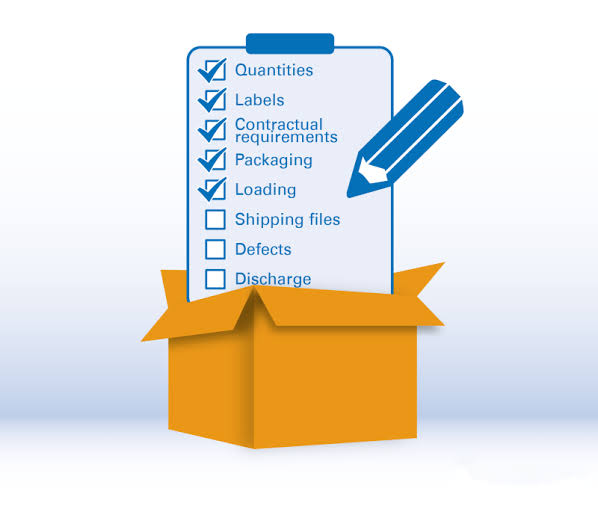
Purchase order or Proforma invoice should state product specification, quantity, unit price, packing details, payment terms, lead time, inspection, warranty for defects, shipping terms and the supplier's bank account information clearly. Attaching the product photos, artwork file and quality inspection list. A well-detailed document is protection.
In Conclusion
A good deal is not about the lowest price. It's a contract that benefits both parties and protects your business. Preparation, a thorough discussion of the whole deal, realism and respect will make the negotiation successful, while long-term cooperation brings growth.