Start With a Product Strategy (Not Just a “Cool Idea”)
Determine what kind of product you want to sell and why it will be profitable before contacting suppliers.
Choose a product type
Most online sellers fit into one of these groups:
•Evergreen essentials: competitive but in constant demand (e.g., organizers, kitchen tools)
•Products driven by trends: quick expansion but greater risk (e.g., viral social media items)
•Niche passion products, such as equipment for hobbies, have a smaller market but devoted consumers.
•Better products: upgraded versions of current products (better bundles, materials, or designs)
Validate demand quickly
Product research is not necessary, but evidence of demand is:
•Look for positive reviews for comparable products on websites like Amazon, Etsy, and eBay.
•To determine whether interest is rising or falling, use Google Trends.
•Check Instagram or TikTok to see if anyone is using or inquiring about the product.
Confirm margin potential
Time can be saved later with a quick profit check:
Selling price – (product cost + shipping + platform fees + returns allowance) = profit
As a general standard:
•Aim for a gross margin of at least 30–40%.
•For delicate or high-return items, aim for larger margins.
Decide Your Sourcing Model
Your costs, speed, risk, and branding potential will all be impacted by your sourcing strategy.
Option A: Dropshipping (quickest to launch)
•Benefits: low initial cost, simple product testing
•Drawbacks: increased return rates, less control and slower shipping
•Ideal for testing rather than long-term expansion
Option B: Wholesale / Ready inventory (balanced approach)
•Benefits include higher margins, better control and quicker delivery.
•Drawbacks: needs storage and inventory up front
Option C: Private label / OEM (brand-focused)
•Pros: full branding control and higher profit potential
•Cons: higher MOQs, longer production times, need for QC
Option D: Local manufacturing (premium positioning)
•Benefits include improved quality control, simpler communication, and the allure of "locally made."
•Drawbacks: increased production expenses
Where to Find Suppliers (Online and Offline)
Depending on what you need, you can source domestically or abroad.
Common sourcing channels
•B2B marketplaces: Made-in-China, Global Sources and Alibaba
•Local distributors and trade associations are examples of domestic wholesalers.
•Retail liquidation and arbitrage: beneficial for cash flow but not for branding
•Trade exhibitions: perfect for enduring collaborations
•Advanced Chinese domestic platforms: Taobao, 1688 (often require agents)
What to consider when choosing a channel
•Do you require bulk pricing or low MOQs?
•Is the product straightforward or does quality matter (e.g., electronics, cosmetics)?
•Do you need standard products or custom branding?
•What is the significance of delivery speed?
Supplier Shortlisting: The “3 Filters” Method
Narrow down suppliers using these three key criteria:
Filter 1: Capability
•Are they able to make your product consistently?
•Do they allow customization?
•Are they able to fulfill your deadline?
Filter 2: Credibility
•Years of operation
•The product catalog's consistency
•Applicable certifications
•Professional and lucid communication
Filter 3: Cost structure
•Setting prices for various amounts
•Mold or tooling costs (if applicable)
•Packing costs
•Shipping support Before proceeding with samples, shortlist roughly three to five suppliers.
Shortlist about 3–5 suppliers before moving forward with samples.
How to Request Quotes (Message Template)
To get better responses when contacting suppliers, be precise and unambiguous.
Ask for:
•Unit pricing for different quantities (e.g., 100, 500 or 1000 units)
•MOQ specifications
•Delivery fees and sample costs
•Lead times for production
•Personalization choices (packaging, branding)
•Terms of payment
•Terms of shipment (EXW, FOB, DDP) (branding, packaging)
Pro tip: Avoid suppliers who give vague or incomplete answers.
Sample Testing: What to Check
Sampling should never be skipped, especially when dealing with delicate or fragile goods.
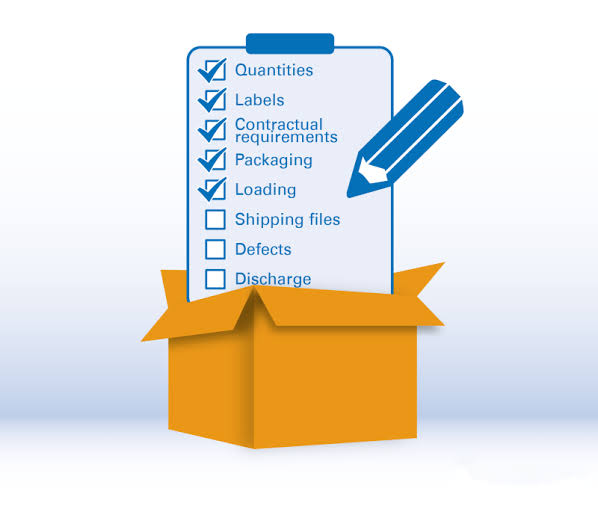
Sample checklist
•The quality and finishing of the materials
•Accuracy of size or fit
•Durability (depending on the product, drop, bend or stress testing)
•Protection of packaging
•The quality of the logo or branding
•Sharp edges, flaws or odor
If scaling is your objective, evaluate samples from several vendors before making a choice.
Pricing and Negotiation (Without Being Unrealistic)
The best supplier isn't always the cheapest one; consistency is more important.
Smart negotiation tips:
•Ask for more affordable prices for larger order quantities.
•Request product enhancements rather than discounts.
•To increase leverage, combine several SKUs.
•If the quality is constant, offer repeat business.
Instead of focusing on getting the best deal right away, concentrate on developing long-term relationships.
Quality Control: Your Insurance Policy
Poor quality leads to refunds, complaints and lost trust. Build QC into your process.
QC options
•Supplier self-inspection (basic level)
•Third-party inspections (recommended for bulk orders)
•Agent-based QC with photos/videos
Minimum steps:
•Approving a production sample before mass production
•Inspecting merchandise before placing large order.
Shipping Basics: Choose the Right Method
Select shipping based on product size, urgency and budget.
Common shipping methods
•Express (DHL/UPS/FedEx): fast but expensive (best for samples)
•Air freight: moderate speed and cost
•Sea freight: most economical for large shipments
Understand Incoterms
•EXW: buyer handles everything
•FOB: supplier delivers to port
•DDP: supplier manages delivery and duties (simplest option)
For beginners, DDP is often easier but requires a reliable partner.
Compliance and Risk (Don’t Ignore This)
Some products are easier to sell than others but carry higher legal risks.
High-risk categories
•Cosmetics and skincare
•Supplements
•Baby products
•Medical devices
•Electronics with batteries
•Trademarked or copyrighted items
Basic precautions
•Avoid counterfeit or branded replicas
•Request test reports where required
•Ensure proper labeling (materials, warnings, origin)
Always check platform rules and local import regulations before selling.
A Simple Sourcing Workflow You Can Follow
Use this repeatable process:
•Define your niche and target audience
•Validate demand and pricing
•Shortlist 3–5 suppliers
•Request quotes and calculate total cost
•Order and test samples
•Confirm customization and packaging
•Place a small initial order
•Conduct quality inspection
•Ship using a reliable logistics partner
•Launch, gather feedback, and improve
FAQs: Product Sourcing for Online Selling
How many units should I order initially?
Start with a quantity that minimizes risk but still provides reasonable pricing—typically 100–300 units, depending on the product.
Is Alibaba safe for sourcing?
Yes, if you properly vet suppliers, request samples and conduct inspections. Don't rely only on platform badges.
Can I use 1688 or Taobao as a foreign buyer?
Yes, but it's more complex without local payment and logistics. Many sellers use sourcing agents to manage the process.
What matters more: low cost or quality?
Quality is more important. Poor quality leads to returns, bad reviews and lost revenue.
Final Thoughts
Finding a supplier is only one aspect of sourcing goods for online sales; another is creating a system that incorporates pricing strategy, quality control, logistics and demand validation. Prior to scaling, start with products that are already in demand, collaborate with trustworthy suppliers and safeguard your company with testing and inspections.