Why should you verify suppliers?
Without verification, you may find yourself paying non-existent companies or middlemen pretending to be a manufacturer; sourcing the wrong product specification and materials; being exposed to compliance issues and incurring financial losses when a supplier refuses to issue a replacement. It is also possible for a seemingly legitimate supplier to be inappropriate for your business - such as when a domestic wholesaler lacks export experience or a small factory is unable to meet packaging standards. Verification can answer the most fundamental questions of whether this supplier will successfully deliver what your business needs.
How to Verify Suppliers in 11 Steps:
1. Request Company Basic Information
Provide the full Chinese company name, business license, registered and factory addresses, years in business and bank account details. Confirm the company name is consistent in all submitted documents - the business license, invoice, contract and bank account. Inconsistencies you cannot explain may indicate risk.
2. Check the Business License
Review the name, unified social credit code, legal representative, establishment date, business scope and whether the company status is active or suspended. The business scope is of particular importance - you should be skeptical of suppliers claiming to be electronics manufacturers but are licensed only for general trading.
3. Distinguish Factory from Trading Company
Ask for photographs of the factory building, the number of employees, production lines, equipment and whether the company welcomes video tours or visits from third parties. Real factories have detailed explanations of the production process; trading companies' responses tend to be more general. Trading companies are not always a bad option but it is important to know whom you are dealing with.
4. Assess Product Specialization and Export Experience
Companies that claim to manufacture hundreds of disparate products are unlikely to be a real factory. Look for evidence of focus in a particular product category and confirm their technical knowledge and expertise. To check for export experience, ascertain whether they have previously exported to your country and understand the requirements for packaging and compliance in your market or whether they have any relevant certifications or Amazon FBA experience.
5. Product Samples Request
Do not place large orders on the strength of photos alone. Submit samples to verify that the materials are correct, the dimensions and color are accurate, the workmanship is to the required standard, the packaging is as expected and that the product is functional. Always confirm in writing that the sample you approve serves as the standard for bulk production. Confirm every detail - including the logo, color, packaging and barcodes - if you are placing an order for customized products before approving the bulk production.
6. Compare quotations
Do not compare unit prices. Check full quote terms including the minimum order quantity, product specification and materials, packaging details, customization fees, lead times, payment terms, Incoterms and the supplier's defect policy. You should also request that suppliers provide quotes on an identical specification sheet. Prices that are significantly below market value often indicate that the product uses different materials than specified, will incur additional costs later on or that the supplier has inflated the original quote.
7. Verify certificates and Test Reports
Check that certificates are applicable to the actual product you are ordering and not just the company or a similar product. The company name shown on the certificate, the product model number, the test standard and specification used, the issue and expiry dates and the testing laboratory are all important to confirm. If your product is regulated (such as electronics, toys, children's goods or items that come into contact with food), verify test reports with the testing laboratory or use a compliance agent.
8. Judge Communication Quality
Reliable suppliers answer specific questions clearly, confirm specifications in writing, set achievable time frames and readily admit if they are unable to deliver on any particular aspect of your request. Questionable suppliers frequently agree to "yes" on everything, avoid questions about details, push for early payment and cease to respond promptly after you request verification documentation. Poor communication before payment will invariably worsen after payment.
9. Arrange a Factory Audit or Video inspection
For high-value orders or when seeking a long-term supplier relationship, consider carrying out a factory audit to assess production equipment, capacity, quality control systems, warehouse facilities and working conditions. If visiting the factory isn't feasible, a video inspection may be useful in assessing production in action. You should always proceed with caution if a supplier is unwilling to allow you to visit the factory in any way.
10. Confirm Payment Terms and Bank Account
Ensure that the bank account you will be paying money into is in the name of the registered company and not that of an unrelated individual or organization. Agree payment terms with the supplier in writing, which are typically 30% in advance and 70% before shipment, with never paying a new supplier in full upfront. Be wary of unexpected changes in bank account details; you should always verify such changes using an alternative communication channel.
11. Pre-Shipment Inspection
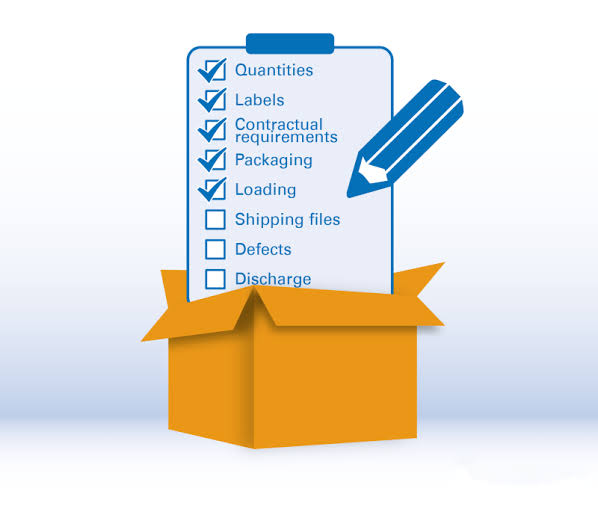
Before finalizing the payment and arranging shipment, conduct a pre-shipment inspection of the goods. This will confirm the quantities ordered are correct, that the dimensions, materials, workmanship and packaging meet the required standard, and that there are no defects, including checking the barcodes. Give your inspector the accepted sample, specification sheet and all relevant quality control points. If your supplier refuses to allow an inspection, it is a serious warning sign.
Key Red Flags:
Refusal to produce business license, personal bank accounts, claims of being a manufacturer without proof of facilities, quotes significantly lower than the market, unverifiable certificates, avoiding 3rd party inspections, urging early payment and inconsistent answers during communications.
Start with a Small Test Order
Even after completing all verification procedures, always begin with a test order in order to assess the supplier's actual performance, lead time consistency, product quality and willingness to resolve issues, before making a large order commitment.
In Conclusion
Supplier verification is a methodical approach and not a one-off check. It is intended to help you avoid costly mistakes rather than make sourcing more complex. Verify thoroughly, take samples and inspect goods before shipping and scale your orders only once a supplier has demonstrated they can deliver.