What is reselling?
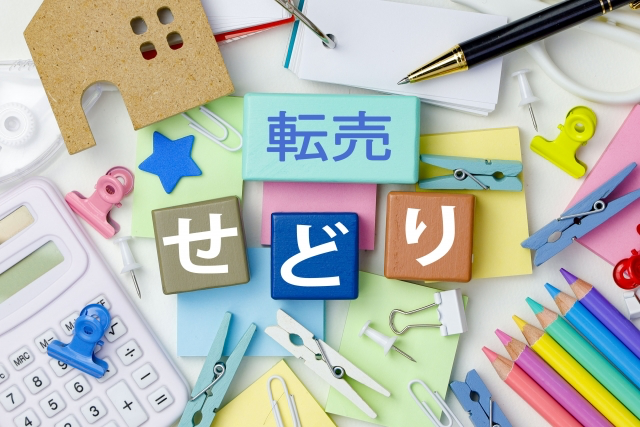
Reselling is a business model in which goods bought at a low price in one market are resold at a higher price in another market.
This model aims to generate profit by exploiting price differences between different markets (the name "sedori" comes from the act of "taking the difference").
There are many forms of reselling, including purchasing items at store sales, reselling used goods and reselling region-specific products.
We've also started hearing more about reselling via“Alibaba sourcing”and“Taobao sourcing.”
These terms refers to sourcing methods that utilize Alibaba, a major Chinese B2B (business-to-business) marketplace and Taobao, a B2C (business-to-consumer) marketplace, respectively.
This reselling method involves purchasing large quantities of goods at relatively low prices through these platforms and then reselling them on other domestic or international marketplaces (such as Amazon, eBay, or Mercari).
Basic Methods and Process of Reselling
The basic methods of reselling are as follows.
① Research
First, you research which products are likely to generate a profit.
This involves checking the selling prices on auction sites and fleaing market apps and comparing them to the prices at which you can purchase new or used items.
Once you find a product that seems likely to turn a profit, you purchase it.
This involves sourcing products from various places, such as physical stores, online shops, Alibaba and Taobao.
③ Selecting/Choosing the Products
List the purchased items on auction sites or flea market apps.
Here, setting the right price and writing a good product description are key.
Once an item sells, we ship it to the buyer.
The Legality of Reselling: Common Misconceptions and the Reality
Generally speaking, reselling is considered a legitimate business model.
However, this applies only when you acquire products through legitimate means and resell them at a fair price.
Specifically, there is no issue with purchasing products through official sales channels and reselling them on legitimate platforms (such as auction sites or flea market apps).
Cases Where Legality Is in Question
(1) Copyright Infringement
Violations of the Copyright Act include the sale of bootlegs (unauthorized recordings or videos) and the sale of pirated copies.
For example, selling CDs containing unofficial live recordings of an artist, DVDs of movies that have been unofficially duplicated or illegally copied software constitutes a violation of copyright law.
Since these products have not been authorized by the copyright holder, selling them as resold good is illegal.
(2) Sale of Counterfeit or Stolen Goods
Selling counterfeit goods (such as fake brand-name items) or stolen goods is clearly illegal.
These items were not obtained through legitimate means and their sale is prohibited by law.
(3) Violation of import/export regulations
When importing or exporting certain goods (such as specific foods or pharmaceuticals), laws such as the Import and Export Act, the Customs Act and the Food Sanitation Act apply.
Importing and selling goods in violation of these laws constitutes an illegal act.
(4) Ticket Resale
The resale of event tickets is illegal in some regions and for certain events.
For example, in Japan, reselling tickets for paid music or sporting events is prohibited under the "Act Prohibiting the Resale of Tickets."
(5) Selling Used Goods Without a Secondhand Dealer License
In many regions, obtaining a second hand dealer's license is required when buying and selling used goods as a business.
Buying and selling used goods for commercial purposes without a second hand dealer's license may violate the Second hand Goods Business Act.
However, this does not apply to all products; it depends on the region and the type of goods.
Please check with your local Public Safety Commission regarding the requirements for obtaining a license.
Legal Knowledge and Precautions for Safe Reselling
(1) Verifying The Source Of Products
When engaging in reselling, it is important to verify that the products were obtained through legal means.
Specifically, you must ensure that the source of the product is clear and that you purchase from a trustworthy seller.
Additionally, it is recommended to avoid transactions involving items suspected of being counterfeit or stolen and to consult with appropriate experts if you have any concerns.
(2) Understanding Copyrights And Trademarks
A basic understanding of copyright and trademark law is essential, particularly when dealing with media-related products or branded goods.
Handling products that infringe on these rights can lead to legal issues, so special care is required.
(3) Compliance With Import/Export Regulations
When importing goods from overseas or exporting them abroad, it is necessary to understand and comply with import and export laws and regulations.
Specifically, this includes refraining from handling prohibited items, undergoing necessary quarantine and inspections and accurately declaring and paying customs duties.
(4) Understanding Ticket Resale Regulations
When handling tickets, it is necessary to understand and comply with the regulations of each region and event.
(5) The Need To Obtain A "Secondhand Dealer License"
In Japan, obtaining a Second hand Dealer License is required when buying and selling used goods as a business.
Buying or selling second hand goods without this license may constitute a violation of the Secondhand Goods Business Act.
However, this does not apply to all goods; it depends on the region and the type of goods.
Practical Guide: Legal and Effective Reselling Strategies
(1) How To Source For Legitimate Products
It is important to buy products from reliable sources.
Make sure to purchase from officially recognized channels, such as online stores, physical stores and auction sites.
It is also important to retain proof of the product's authenticity (such as receipts and warranty cards).
(2) Balancing Risk Management And Profit Maximization
You must strike the right balance between the risks and returns of reselling.
Aim to maximize profits and minimize risks through product selection, pricing,understanding and compliance with laws and regulations.
(3) Building Strong Business Relationships
When engaging in reselling, it is important to build good relationships with suppliers and customers.
This makes it easier to obtain product information and maintain long-term business relationships.
Additionally, adhering to fair and honest business practices enhances your business' credibility and reputation.
(4) The Process For Obtaining A"Secondhand Dealer License"
To obtain a "Second hand Dealer License" in Japan, you must apply to the Public Safety Commission of each prefecture.
The application process involves an assessment of your suitability as a second hand dealer and the facilities at your place of business.
Obtaining this license allows you to legally buy and sell used goods.
Reselling and the Law
(1) Understanding And Compliance With The Law
In the context of reselling, understanding and complying with relevant laws is essential to conducting business activities in a lawful and ethical manner.
This includes the Copyright Act, the Trademark Act, the Unfair Competition Prevention Act, the Import and Export Act and the Secondhand Goods Business Act.
Since these laws vary depending on the nature of the transaction and the region, it is essential to correctly identify and apply them to your specific activities.
(2) Management Of Legal Risks
To manage legal risks when engaging in reselling, it is important to ensure that all transactions and business operations comply with the law.
You should also take measures such as verifying the origin of goods, checking for copyright and trademark infringements and avoiding the handling of counterfeit or stolen goods.
The following are examples of penalties for engaging in reselling activities that violate Japanese law.
① Copyright Infringement
If you infringe on copyright, you may be held liable for damages through civil litigation.
Furthermore, violations of the Copyright Act (such as unauthorized reproduction) are subject to criminal penalties, with a maximum sentence of 10 years imprisonment, a fine of up to 10 million yen, or both.
② Sale of Counterfeit or Stolen Goods
The sale of counterfeit or stolen goods is a crime and may result in criminal penalties (fines or imprisonment).
③ Violation of Import/Export Regulations
If you engage in illegal import or export, you may face criminal penalties of up to 10 years in prison or a fine of 10 million yen.
Furthermore, goods that do not comply with import/export regulations may be confiscated.
④ Ticket Resale
Violating the Ticket Resale Prohibition Act by reselling tickets without a license is punishable by up to one year in prison or a fine of up to 1 million yen.
⑤ Selling Used Goods Without a Secondhand Dealer License
Under the Secondhand Goods Business Act, conducting business without obtaining a secondhand goods dealer license is punishable by imprisonment for up to six months or a fine of up to 500,000 yen.
(3) Keeping Legal Knowledge Up to Date
Laws change with the times.
New laws may be enacted and existing laws may be amended.
Therefore, it is important to constantly check the latest legal information and understand how it affects your business.
(4) How to Seek Legal Advice
Seeking advice from legal professionals (such as attorneys or judicial scriveners) can help you resolve legal issues in your business.
If you encounter a complex legal issue or have legal questions you cannot resolve on your own, consult a professional.
When doing so, it is important to explain your specific situation in detail to ensure you receive appropriate advice.
Summary
What are your thoughts?
Reselling is also popular as an easy-to-start side hustle.
When starting a reselling business, be sure to conduct your transactions wisely by following the law and choosing reliable suppliers.