Why Sourcing China Is Much More Than a Low Price
When two suppliers offer the same product at different prices, it's probable they will use different materials, different packaging materials and methods, different testing standards or different production processes. As a serious importer, you need to compare suppliers with total value rather than just unit prices and factors in: Quality, Production capacity, Compliance support, Communication and After-sales support.
The main objective should not be buying the cheapest product. The main objective should be buying a product that you can legally import and sell for a profit and that your customers will accept.
Specify Your Product's Requirements Before You Contact Suppliers
Vague inquiries is likely to lead to vague answers and a lot of confusion. A detailed product specification must clearly cover:
•Product name, model number, materials used, dimensions, weight, color and functionality
• Types of packaging and requirements for logo/branding
•Targeted markets and quantities to order
•Testing, certification and labeling requirements
•Quality standards and target delivery deadline
Example: Instead of writing “food containers” you should write: “BPA free food-grade plastic storage containers with silicone seals, transparent body, white lid, 1.2 Liter capacity, supplied in individual color boxes with barcode label, 1,000 pieces, targeted at the US market".
For customized products, ensure you also have drawings, pictures of similar items, packaging files, color references (Pantone) and an agreed sample approval process.
Select the Appropriate Sourcing Channel
The choice of supplier channels depends on the following factors:
•Alibaba International B2B: best for English speaking suppliers and customization
•1688: very low prices available but is mainly for the Chinese market, requires a sourcing agent for international buyers
•Made-in-China/Global Sources: targeted towards export markets with a strong presence in industrial, electronics and B2B categories.
•Canton Fair/Trade shows: great for comparing samples face to face and building personal relationships
•Wholesale markets: such as Yiwu, Guangzhou, Shenzhen, best suited for consumer goods, fashion items and electronics at a small scale.
•Sourcing agents: ideal for multi supplier orders, handling communications in Chinese, conducting quality control and consolidation.
Verify your suppliers before you make any payment. A professional website or responsive emails don't always translate into trustworthy business. Prior to placing your deposit, you must check: Company details, Business license, Factory address and the company's status (manufacturer, trader or buying office).
You should inquire with questions such as
•Are you the manufacturer or a trader?
•Do you have a business license?
- Can you send photos/videos of your factory?
•Can I perform a factory audit or third-party inspection?
•Have you exported to my country?
- What happens if my goods fail inspection?
Note that:
Avoidance of basic questions, unwillingness to send samples, requests for payments to personal accounts and extreme pressure for quick payment are all red flags.
Understand Import Compliance and Your Legal Responsibilities.
The fact that you purchased something from an overseas manufacturer does not mean that all legal responsibility lies with them. Most importers worldwide are responsible for ensuring that goods declared, classified and admitted into a country are compliant with local laws.
The following categories are commonly considered to be "regulated products": electronics, toys, items intended for use by children, cosmetics, food packaging, batteries, textiles and wireless products.
Before purchasing you need to ensure:
Classification of product and admissibility into your market, Certificates and test reports from laboratories, Safety and compliance regulations, labeling and marking rules and any duties or special controls (e.g. Anti-dumping duties).
Consult a customs broker, compliance specialist or testing laboratory prior to placing an order, if you're not sure about regulated products.
Calculate the Total Landed Cost.
The price you get from your supplier does not account for all your expenses: it is just a part of your total landed cost. The total land cost consists of:
•The unit price, mold cost and sample fees
•Packaging and labeling cost as well as domestic China transport
• International shipping, insurance as well as export handling charges
•Custom duties, import taxes and customs clearance costs
•Local delivery costs to your warehouse/address, port charges and warehousing expenses
• Inspection and payment fees and costs of rejected products due to defects
For online sellers the following costs must also be factored in:
Marketplace fees, order fulfillment cost, warehouse cost, advertising expenses, returns cost. A product costing you $3 from a factory might cost you $6 or more when you include shipping duties, packaging and final delivery. Always calculate your profits on landed costs rather than factory price.
Use Incoterms Correctly.
Incoterms (current version is Incoterms 2020) clearly outline the responsibilities of the buyer and the seller in terms of transporting goods. It covers costs and risk in relation to the transport of your goods at each stage of the journey.
Incoterm Explanation Warning
•EXW (Ex Works) Buyer takes responsibility at the factory; cheapest option but highest risk/effort from buyer
•FOB (Free on Board) Seller delivers the product to the nearest port; buyer take responsibility for the main shipping cost - this is one of the most practical options for sea freight
•CIF (Cost, Insurance and Freight) Seller pays for shipping and insurance to the destination port; importer still pays the import duties, taxes and charges at the port of destination
•DAP (Delivered at Place) Seller delivers the product to a named place (usually your address); import duties, taxes and charges are the buyer’s responsibility
•DDP (Delivered Duty Paid) Seller handles all delivery, including customs clearance and duties; best to clarify any hidden fees that might not be included
Always get a written confirmation that specifies which party is responsible for export customs, the main freight, insurance, destination charges, import clearance, duties, taxes and the final delivery.
Samples:
It is imperative to always order samples before mass production. Always test the samples to verify the material quality, the dimensions and weight of the product, the colors and its functions, the finishing, smell, durability, packaging and logo. For custom products, never accept mass production until a sample has met your specifications. It is important to retain the approved sample for Quality Control purposes.
•Samples:
It is imperative to always order samples before mass production. Always test the samples to verify the material quality, the dimensions, the weight of the product, the colors and functions, the finishing, the smell, the durability, the packaging and the logo. For custom products, never accept mass production until a sample has met your specifications. It is important to retain the approved sample for Quality Control purposes.
•Packaging:
Poorly designed packaging can result in shipping damage and rejections from marketplaces or customs: Ensure that the unit, inner and outer cartons have the right strength to survive transport. Confirm carton dimensions, weights and shipping marks are clear. Make sure all required labels, such as barcodes, warning labels and origin country markings are in place. Include user manuals in all necessary languages.
•Compliance:
Never assume that a certificate provided by your supplier is automatically valid for your target market. Always confirm the compliance of the product prior to mass production.
Payment Terms and Contract
Payment structure:
Common payment terms are 30% deposit and the balance of 70% upon inspection before shipping. Always ensure that the bank account number provided by the supplier corresponds with the name of their registered company. Avoid sending money to personal accounts or third-party accounts.
Key components of a purchase contract:
It should include both the seller and buyer’s company name and address, the product specifications and the quantity, the unit price, packaging details, production lead time and the payment terms. It must also clearly specify the Incoterms, quality standards and details of inspections, consequences of late delivery and defect handling and all required shipping documents. Critical information should always be included in official purchase orders, proforma invoices or platform orders, not just in chat messages.
Quality Control, AQL and Defect Handling:
Plan quality control before the start of production not after goods are finished.
Inspection Stages:
Pre-production; 0ffxess; During Production; 0ffxess; Pre-shipment; 0ffxess; and Container Loading. For products that enter the market, the flip side of the product life cycle.
AQL (Acceptable Quality Limit)
A sampling procedure which specifies the number of units to be inspected and the number of defects allowed before failure
Defect Classifications
Type Definition
•Critical Safety, legal or serious usability issues --| usually unacceptable
•Significant impacts-functions, looks, marketability and customers from 'Affects'
•Minor very small defects that are not critical to the function or the selling quality.
If inspection cannot pass, then rework, sorting, replacement, discount, reinspection and rejection are the available avenues.
Final payment should not be released until the problem has been fully and satisfactorily solved.
Shipping, Customs Documents and Delivery Planning are methods best suited for
•Express courier samples & urgent small consignment
•Air freight time and sensitive medium shipments
•Sea freight (LCL/FCL) large quantity - optimal cost per unit
•Rail/truck freight Region-specific routes
Core Documents Needed
•Commercial invoice and packing list
•Bill of landing or airway bill
•Certificate of origin (where required)
•Test reports and certificates (if needed)
•Insurance documents and fumigation certificate (if relevant)
Ensure: HS code, customs values, country of origin and description. Wrongly completed entry forms lead to delays, heavy fines or confiscation.
Common Mistakes Importers Should Avoid
such mistakes would be:
•Choosing the cheapest supplier without checking quality or reliability
•Placing large orders after seeing photos only - always sample first
•Underestimating shipping costs for bulky or fragile goods
•Skipping inspection because the supplier "seems trustworthy"
•Ignoring compliance until goods arrive - too late and too costly
•Using unclear payment terms, vague product descriptions or informal agreements
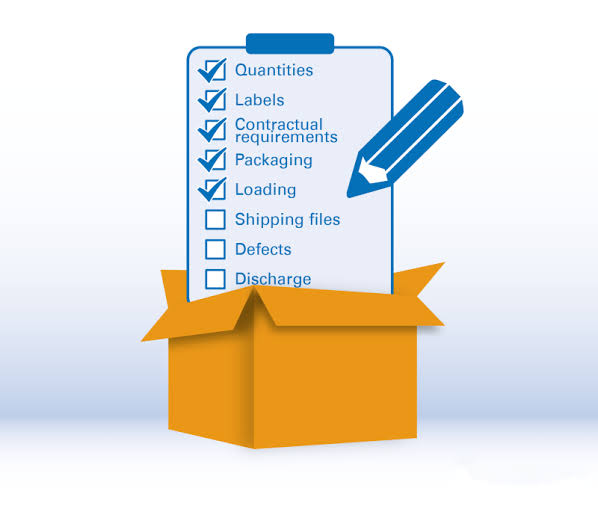
Final Checklist Before You Buy
•Clear product specifications prepared
•Multiple suppliers compared
•Supplier company information verified
•Samples ordered and approved
•Compliance requirements understood
•Full landed cost calculated
•Codified Incoterms: accepted and recognized in writing as binding.
•Payment terms clearly documented
•Inspection plan confirmed
•Defect handling terms agreed
•Packaging and labeling confirmed
•Materials checked and provided with customs requirements for shipping
•Risk assessed for first-order failure
Conclusion
China sourcing presents significant opportunities -but to leverage those opportunities we need to be well prepared. Start in small quantities, do your verification thoroughly, inspect prior to shipment, expand only once you (and your LC) have delivered the right product at the expected landed cost. Discipline before the purchase saves unexpected surprises when the goods depart China.