What Do Amazon Wholesale Suppliers Do?
Wholesale Amazon suppliers are companies that sell you a lot of products that you can in turn sell on Amazon. Some common types of suppliers are:
●Authorized brand distributors (best for making sure invoices are correct).
●Brands that sell directly to wholesalers (good relationship, steady supply).
●Importers and wholesalers (good selection, need to be checked out well).
●Manufacturers (private label / OEM) (best way to build your own brand).
Authorized brands and distributors are usually the safest choice for wholesale resellers because they give you invoices that help with Amazon account health and authenticity checks.
A quick look at wholesale and private label on Amazon
●Wholesale: sell branded products that you already have; pay attention to your relationships with suppliers and how you manage your inventory.
●Private label: make your own brand and pay attention to how your products are different, how they are packaged, and what people say about them.
Starting and growing a wholesale business is often easier than starting and growing a private label business.
Why Amazon Sellers Need Wholesale Suppliers Who Are "Amazon-Ready"
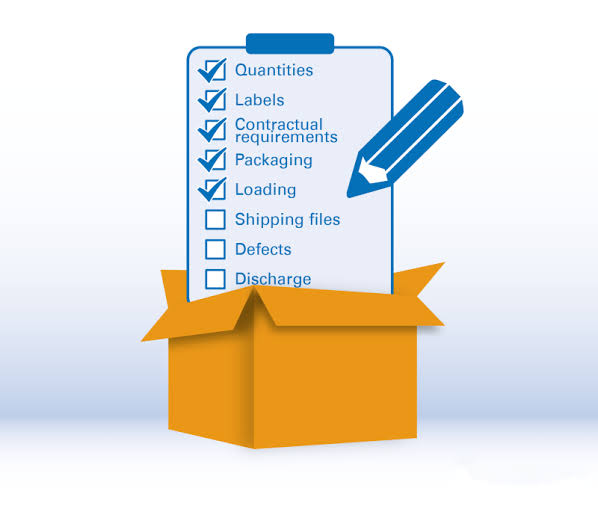
A supplier that works for a local store might not work for Amazon. You need vendors who can help with:
●Invoices that follow the rules (business-to-business paperwork).
●Consistent packaging and product authenticity.
●Dependable lead times and the ability to restock.
●Requirements for barcodes and labels (FNSKU or UPC rules, depending on the model).
●Correct labeling and shipping of cartons (for FBA).
●Clear policy on defects, returns, and damage.
Where to Look for Amazon Wholesale Suppliers
1、 Direct Brand Outreach (Best Long-Term Method)
Get in touch with brands that make products that fit your niche and ask for:
●Catalogs for wholesale.
●List of distributors.
●MAP rules.
●Requirements for reseller authorization.
Best for: a steady supply and strict compliance.
2、Approved Distributors
Distributors usually sell more than one brand and give out correct invoices.
This is one of the best ways for Amazon wholesale sellers to reach customers.Best for: safety when scaling, restocking, and invoicing.
3、 Trade Shows (Highly Effective)
Trade shows are a great way to quickly find real brands and distributors, make deals and build relationships.
Best for: finding out about brands before they are sold online.
4、Directories of wholesalers and trade groups
A lot of businesses keep lists of their distributors and suppliers.
Best for: finding suppliers in specific categories in an organized way.
5、 Importers and wholesalers from other countries (be vigilant)
You can get supplies from suppliers in other countries, but you have to manage:
●Risk of fake products (especially branded ones).
●Risk of accepting an invoice.
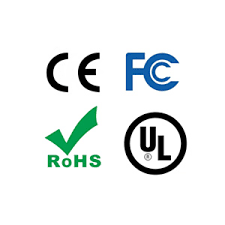
●Documentation and compliance.
●Requirements for shipping and labeling.
Important: Amazon may ask for invoices and proof of authenticity if you sell brand-name goods. This is why authorized supply is better.
How to Check Out Wholesale Amazon Suppliers (Checklist)
A. Legitimacy and permission
●Are they an official brand or distributor?
●Can they give you correct invoices with the right business information?
●Do they have clear terms and a real presence in the business world?
B. The product's authenticity and condition
●Are the products new and real (not gray market or refurbished unless it's okay)?
●Are they packaged correctly and ready to sell?
●Can they promise a steady supply?
C. Prices and profits
Request:
●Lists of wholesale prices and discounts for large orders.
●Minimum order quantity and case pack.
●MAP policy, which stands for "minimum advertised price".
●Expected frequency of restocking.
Then figure out:
●Fees from Amazon.
●Shipping to Amazon (coming in).
●Returns and defects.
●The margin you want.
D. Logistics ability To confirm FBA-friendly wholesale supply
●Correctness of box contents and labels.
●Case packs that are always the same.
●Being able to send things to your prep center or directly to FBA (if that applies).
●Reliability of lead time, Terms of sale after the sale.
●Time frame for damage or shortage claims.
●Policy for refunds and replacements.
●How they deal with recalls or problems with compliance.
The Safest Way to Start Working with Amazon Wholesale Suppliers
Step 1: Pick categories that work for wholesale
The best time to buy in bulk is:
●Items that can be restocked.
●Steady demand for brands.
●Products that aren't fragile.
●Products with sizes and variations that can be predicted.
Step 2: Make a list of potential suppliers
Set a goal of 20 to 50 prospects and then try to open accounts with 3 to 10 of them.
Step 3: Ask for catalogs and terms.
Get:
●List of prices.
●Minimum order quantity per case.
●Terms of shipping.
●Policy on invoices.
●Time to lead and time to restock.
Step 4: Make a small test order
Check:
●The quality of the invoice.
●The state and authenticity of the product.
●Correct shipping.
●Damages or flaws.
Step 5: Rate the winners and keep an eye on how well the suppliers do.
Track:
●Rate of filling.
●Rate of defects or damage.
●Stable prices.
●Support quick responses.
Mistakes That Amazon Wholesalers Often Make
●Buying from places that aren't authorized (risk of authenticity).
●Bad paperwork and problems with invoices.
●Not following MAP rules and making brands angry.
●Picking items with small margins after Amazon fees.
●Not doing small test orders before scaling.
●No way to plan when to restock and how much to buy.
How to Be a Successful Amazon Wholesaler for a Long Time
●Get to know brands and distributors, not just random sellers.
●Keep your records clean (invoices, emails, product lists).
●Make a scorecard for your suppliers and look at it every three months.
●Use a variety of suppliers to lower the risk of running out of stock.
●Plan the FBA prep and shipping process ahead of time.
●Concentrate on products that can be restocked and demand that can be predicted.
Final Thoughts
One of the most scalable models is wholesale on Amazon, but only if your supplier network is strong and follows the rules. You want to create a system that can be used over and over again: authorized supply → clean invoices → reliable restock → consistent performance.