Introduction | The Start of the Rainy Season and the Risk of Linear Precipitation Zones
The rainy season front has moved northward to the vicinity of Honshu, and the Japanese archipelago has finally entered the full-fledged rainy season.
In southern Kyushu in particular, there are concerns about the formation of “linear precipitation zones,” where heavy rain falls continuously over the same area for long periods of time,
This is expected to have a serious impact on import and e-commerce businesses,
are expected to have serious consequences for importers and e-commerce businesses.
In this article, based on the latest weather information, we will explain nationwide weather trends, their impact on logistics,
and specific measures e-commerce businesses should take immediately.
Weather Phenomena Common During the Rainy Season and Regional Risks
Be on alert for line-shaped rain bands in southern Kyushu and western Japan
During the rainy season, "linear precipitation zones" tend to form mainly in southern Kyushu and Shikoku,
and intense downpours over short periods can lead to a series of incidents such as road flooding, landslides, and traffic restrictions.
In particular, logistics vehicles may be temporarily stranded,
significantly increasing the risk of major disruptions to the delivery schedules of imported goods.
Urban risks due to widespread rainfall in the Kanto to Kinki regions
In the Tokai, Kinki, and Kanto regions, as the rainy season front moves northward, there are often days with continuous, heavy rain over a wide area.
In urban areas, flexible responses are required to prepare for disruptions to rail and road transportation, delays in receiving shipments, and changes to pickup times.
Meanwhile, in Northern Japan and Okinawa, there is a risk of extreme heat
While Hokkaido and Okinawa are less affected by the rainy season, there is a tendency for frequent heatwave days and heatstroke alerts due to rising temperatures and high humidity.
Particularly when handling general merchandise and apparel that requires room-temperature transport, it is important to take precautions against product deterioration and package damage caused by high temperatures and humidity.
Impact of Heavy Rain on Imports and Logistics
Possibility of Delays and Cancellations in Air and Sea Travel
Due to heavy rain and poor visibility, there is an increased risk of delays and cancellations, particularly for flights and maritime shipments bound for Kyushu and Shikoku.
If shipments are scheduled from major Chinese ports such as Shanghai and Ningbo to Fukuoka Port or Hakata Port, flexible measures—such as revising delivery schedules—are required.
Domestic Delivery Delays (Primarily in Western Japan)
In Western Japan, flooding and road closures may cause major delivery companies (such as Yamato Transport, Sagawa Express, and Japan Post) to suspend pickups and deliveries or experience delays.
In particular, delivery may become temporarily difficult in remote islands and mountainous areas; therefore, it is advisable to provide advance notice and prepare alternative arrangements.
Risk of Water Damage During Warehousing and Storage
During the rainy season, there is a risk that products stored in warehouses may deteriorate due to humidity or water damage, or that outer packaging may be damaged.
To prevent such issues, it is important to ensure thorough waterproof packaging and implement flood prevention measures for warehouse facilities.
Specific Measures E-Commerce Businesses Should Take
HubBuyer's Waterproof Packaging Option | Preventing Problems During the Rainy Season and Typhoons
"HubBuyer," a China import agency, offers advanced waterproof packaging options to help you prepare for logistics issues caused by the rainy season and typhoons.
These options are particularly effective in protecting items that are vulnerable to water damage, such as apparel, paper products, and miscellaneous goods packaged in decorative boxes.
・Choose from 2 Types of Waterproof Packaging
You can choose the packaging strength from the following two options based on your product characteristics and sales channels:
Basic Waterproofing (Free as standard / +0.5 RMB for select optional items)
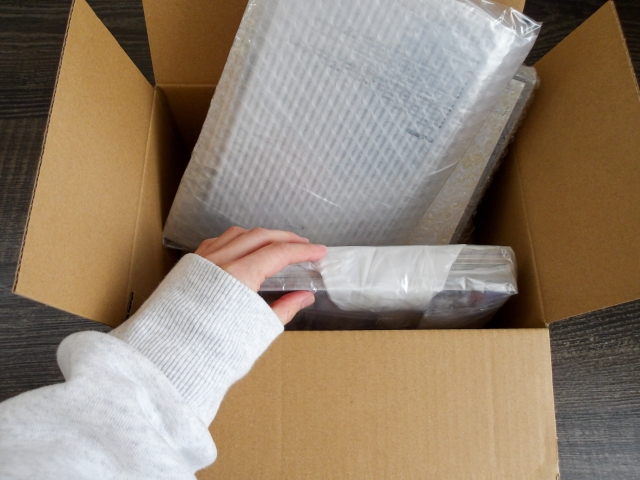
・Simple individual packaging using OPP bags
・Outer cardboard boxes are moisture-resistant
・Lightweight cushioning material is inserted into any gaps
→ Ideal for lightweight products and short-distance shipping
Precision Waterproofing (Approx. +1–3 yuan / Varies by product size and quantity)
・Highly airtight individual packaging with sealing treatment for each item
・Multiple desiccants (silica gel) are included to ensure thorough protection against moisture during long-distance transport
→ Ideal for apparel, paper-packaged goods, precision equipment, and gift items
At HubBuyer, our local staff, who are well-versed in Japan’s rainy season and typhoon conditions, assess the situation on-site to determine the optimal packaging for your products.
This is a practical and meticulous service designed to address customer concerns about damage and water damage.
* If you require precision waterproofing, please specify this when placing your order. We can also provide individual quotes.
・Review and Advance Shipping Schedules
Businesses planning to source goods from China are strongly advised to request early shipment, as intermittent heavy rain is expected to continue through this week and beyond.
In particular, as the weather may worsen further over the weekend, scheduling with an eye toward shipping and customs clearance timelines is a critical measure to prevent delivery delays and stockouts.
Additionally, considering split or staggered shipments by product category or region is an effective strategy.
・Strengthen waterproofing measures by switching from cardboard to plastic packaging
During the rainy season and typhoon season, cardboard packaging is prone to damage from moisture and water, increasing the risk of dents and stains on the outer packaging, as well as potential damage to the products themselves.
To mitigate these risks, it is effective to use highly waterproof plastic packaging materials instead of cardboard.
Switching to vinyl materials (such as delivery-grade plastic bags or waterproof pouches) is particularly recommended for the following types of products:
・Items vulnerable to water damage, such as paper packaging and apparel
・Lightweight miscellaneous goods and accessories that retain their shape well
・Small items suitable for delivery via mail slots or Letter Pack-style shipping
Because vinyl is highly water-resistant, lighter, and more space-efficient than cardboard, it can also help reduce shipping costs.
Furthermore, their flexibility allows them to conform easily to the shape of the contents, effectively preventing complaints due to damaged packaging.
For added peace of mind, consider the following points when packing:
・Include a desiccant (silica gel) inside to enhance moisture protection
・If using thin plastic bags, reinforce protection by double-bagging or using inner liners
・If using transparent bags, consider enclosing additional packaging inside to protect privacy
By reviewing and refining your packaging materials in this way, you can maintain consistent quality and improve customer satisfaction even during the rainy season and typhoon season.
Key Points for Customer Service | Strategies for Maintaining Trust During Delays
While weather-related delivery delays may be considered acts of God, responding to customers promptly and courteously is key to maintaining their trust.
Especially during the rainy season and typhoon season, it’s reassuring to have the following measures in place in advance.
Recommended measures:
・Include a note in order confirmation emails and on product pages stating that "delivery delays due to weather conditions are possible"
・Ensure customers receive tracking numbers after shipment and provide updates on any changes to the delivery status
・In the event of a delay, offer flexible solutions such as reshipping, partial refunds, or discounts on future orders
These measures will help improve repeat purchase rates and prevent negative reviews.
Future Weather Trends and Key Points to Watch
According to the Japan Meteorological Agency, the rainy season front is expected to remain active for the time being, and the risk of intermittent heavy rain across a wide area—from western Japan to the Kanto region—is increasing.
In particular, since there is a possibility of sudden, warning-level heavy rain, it is essential to continuously monitor logistics schedules and warehouse storage systems.
The key to mitigating risks lies not only in reviewing import schedules but also in continuously inspecting and readjusting domestic delivery systems.
Strengthening coordination with suppliers, agents, warehouses, and delivery companies, and taking proactive measures to prepare for delays and damage will be essential over the next few days.
Summary: Preparing for the "Unexpected" Is the Key to Business Continuity
The impact of the rainy season front and linear precipitation zones is not merely a matter of weather; it is a critical issue that directly affects risk management in import businesses and e-commerce operations.
These are not “unpredictable problems,” but rather “fluctuations that can be anticipated in advance.”
That is precisely why establishing a flexible and well-prepared system is the decisive factor that separates the winners from the losers among companies.
For example, to prepare for the rainy season and typhoon season, it is effective to take the following measures now:
・Request waterproof packaging:
When importing from China, select waterproof packaging options (basic waterproof or precision waterproof) on HubBuyer to avoid the risk of water damage in advance.
・Review packaging materials:
For shipments handled in-house, consider switching from cardboard to highly waterproof vinyl materials to strengthen protection against exterior damage and water damage.
・Prepare customer service templates:
Prepare advance notifications and FAQs in case of delivery delays to prevent complaints and maintain trust.
By incorporating these measures into your daily operations, you will naturally establish a stable logistics and customer service system that remains resilient even in the face of sudden weather changes.
In particular, for businesses utilizing "HubBuyer" for imports from China to Japan,
measures against such weather risks can be implemented smoothly, as the service enables waterproofing, repackaging, and flexible delivery options at local warehouses.