Define What “Vintage” Means for Your Business
Decide what kind of things you want to sell before you start sourcing. Depending on your market and platform, "vintage" might mean different things.
Common definitions:
•True vintage: typically, 20+ years old (often from the 1990s or earlier)
•Y2K / early 2000s: currently popular but not always considered true vintage
•Retro-inspired: modern items styled like vintage (must be labeled carefully)
Based on your intended audience, select a focus:
•streetwear and band t-shirts
•denim (e.g., Levi's, Wrangler, Lee)
•workwear (older Carhartt, Dickies pieces)
•heritage outerwear (military, varsity, leather)
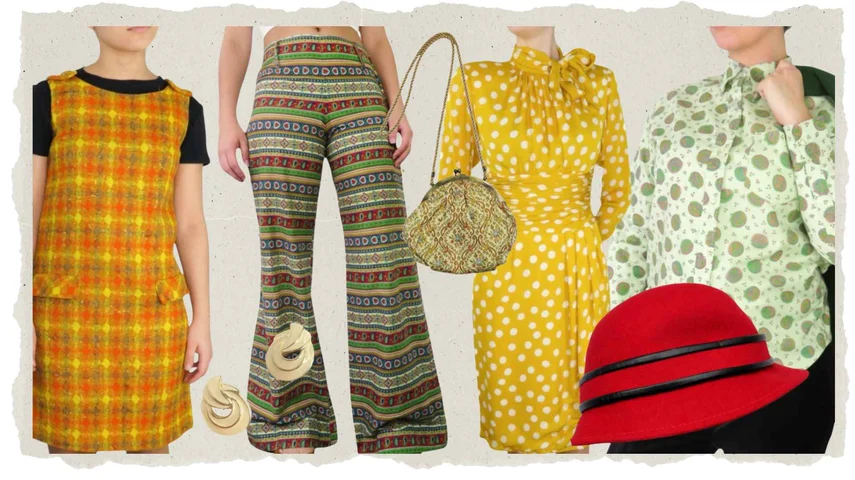
•dresses and womenswear (1970s–1980s styles)
•niche categories (sports jerseys, collegiate apparel, western wear)
The more focused your niche, the faster you'll recognize valuable items during sourcing.
Know What Sells (And What Usually Doesn’t)
If you're just starting, focus on items with strong demand and faster turnover.
Common strong sellers:
•Vintage band, Harley, sports and commercial graphic t-shirts
•Traditional denim and jackets
•Heavy hoodies and working jackets
•Varsity jackets, flannels and chore coats
•Well-maintained genuine leather jackets
•striking items with distinctive needlework or motifs
Riskier items for beginners:
•Pieces with complicated sizing or fit issues
•Fabrics prone to damage (dry rot, brittle prints, heavy stains)
•Niche luxury items without authentication knowledge
•Shoes (higher return rates unless experienced)
Best Places to Source Vintage Clothing
Most successful sellers combine multiple sourcing channels. Here are the main options:
A) Thrift stores (good for beginners)
Pros:
•easy access
•low startup cost
•constantly refreshed inventory
Tips:
•visit on restocking days
•learn discount cycles (color tags, weekly promotions)
•scan quickly for fabric, tags, graphics and condition
B) Estate sales and garage sales (best ROI)
Pros:
•high chance of undervalued items
•opportunities to buy in bulk
Tips:
•arrive early for best selection
•bring cash and bags
•ask if additional clothing is stored elsewhere
C) Flea markets and vintage markets (great for networking)
Pros:
•access to curated inventory
•opportunities to meet other sellers and suppliers
Cons:
•higher prices may reduce margins
Tip: negotiate bulk deals instead of buying single items.
D) Online marketplaces (good for targeted sourcing)
Sources:
•eBay bulk listings
•Facebook Marketplace
•local classified apps
•vintage wholesale groups
Best for:
•sourcing specific categories
•buying in bulk without travel
Risk: condition may not match expectations—request detailed photos and measurements.
E) Rag houses / vintage wholesalers (best for scaling)
Pros:
•consistent inventory supply
•ability to buy by weight or category
Cons:
•requires more capital
•quality can vary; sorting skills are needed
Tip: start with smaller curated bundles before purchasing large mixed batches.
F) International sourcing (advanced)
Some experienced sellers source from:
•Japan (high-quality selection, higher cost)
•UK/Europe (workwear, military, sportswear)
•Southeast Asia (varied quality and pricing)
This approach requires strong authentication skills and logistics experience but can provide unique inventory.
How to Spot Value Fast (Your Vintage Sourcing Checklist)
Speed is key when sourcing in person. Use this quick checklist:
1) Tag and era clues
Look for:
•Older tag designs and materials
•"Made in USA" labels (often older items)
•Single-stitch construction on t-shirts
•Fabric weight and natural fading patterns
2) Condition (critical for profit)
Check for:
•Stains (especially underarms and collars)
•Holes or thinning fabric
•Broken zippers or missing buttons
•Cracked or peeling prints
•Dry rot (weak, easily torn fabric)
3) Size and fit
Vintage sizing is often smaller.
Always measure:
•Chest width
•Garment length
•Shoulder width
•Sleeve length
Providing accurate measurements helps reduce returns.
4) Authenticity (when relevant)
For more expensive things, make sure to:
•Accurate sewing details and labels
•Hardware suitable for age (rivets, zippers)
•Reliable print and fabric quality
If you're unsure, avoid expensive items until you gain experience.
Pricing for Profit (Simple Rule)
Calculate your possible profit before making a purchase.
Basic formula:
Expected sale price – (purchase cost + fees + shipping + cleaning + returns allowance) = profit
Quick guidelines:
•Aim for 3x–5x your purchase cost when selling on fee-based platforms
•Avoid low-margin items that require too much time to prepare
Cleaning, Repair, and Prep
The selling price can be greatly raised with careful preparation.
Cleaning basics
•Wash gently when appropriate
•Treat stains carefully
•Air dry to protect fabric and prints
•Steam garments for better presentation
Minor repairs worth doing
•Replacing buttons
•Fixing loose hems
•Small stitching repairs
If you're not experienced, avoid doing major restorations because they could not be economical.
Listing Strategy: Photos and Keywords That Sell
Vintage goods are sold based on presentation and detail.
Include in every listing:
•Precise measurements, not just the size that is marked
•A precise description of the condition
•Pictures of the front and back of the tags
•Close-ups of defects
•Information about the era and fabric
Useful keywords (only if accurate):
•“90s,” “Y2K,” “single stitch,” “fade,” “distressed,” “workwear,” “made in USA,” “all-over print,” “deadstock”
How to Scale Without Losing Quality
Scaling a vintage business requires systems and consistency.
Build a sourcing schedule
•2–3 thrift visits per week
•Weekends for estate sales or flea markets
•Monthly wholesale sourcing (once ready)
Keep basic records:
•Brand or product category
•The cost of purchase
•The selling price
•The moment to sell
•Notes (graphics, sizes, and styles)
Future purchasing decisions will be influenced by your data.
Develop supplier relationships
When dealing with wholesalers or markets.
•Make regular purchases
•Make consistent payements
•Request first access to fresh inventory.
Strong connections frequently yield better prospects than "secret sourcing tips."
FAQs
Is it profitable to resell vintage clothing?
Yes, but wise purchasing, precise condition evaluation and regular postings are necessary for profitability. Many invoices lose money by paying too much or ignoring defects.
Does selling vintage clothes require a business license?
Your nation and the size of your company will determine this. Many begin informally, but as you go bigger, you'll need to properly register and comply with tax laws.
How do I avoid counterfeit items?
Begin with lower-risk categories such as basic t-shirts, denim and workwear. For premium brands, learn authentication techniques and source from trusted suppliers.
Final Thoughts
Develop quick evaluation abilities (tags, era, condition), utilize realistic profit projections and concentrate on reliable sourcing channels (thrift stores, estate sales, flea markets and wholesalers) in order to successfully source vintage apparel. The most prosperous vintage sellers rely on processes and regularity rather than chance.