The Best Places to Buy Wholesale Products
•Online B2B marketplaces are the best for quick price comparison and wide choices. Alibaba, Global Sources, Made-in-China, IndiaMART, and DHgate are important marketplaces. 10–15 suppliers are shortlisted, 3–5 are sampled, and following quality control, scale.
•Domestic Wholesale Platforms: These are ideal for fast restocks and boutiques. Faire, Tundra, Handshake, and Abound are some of the platforms. Faster and easier, but more expensive per unit than outside.
•Direct from Manufacturers: This option is ideal for steady recorders and private labels. provides the best long-term profitability but necessitates longer lead times and larger MOQs. Check factories using their certifications, production images, and addresses.
•Wholesale Directories: These are the best places to locate local manufacturers and verified authorized distributors. Thomasnet, SaleHoo, and Worldwide Brands are a few examples. Keep an eye out for paid or out-of-date listings.
•Trade exhibitions and wholesale markets are the best places to find trends, engage in serious sourcing and negotiations. Important events include Cosmoprof, MAGIC, ASD Market Week, and Canton Fair. Your sourcing network might be greatly strengthened by even one annual visit.
•Local wholesalers and cash-and-carry are the best options for physical establishments that require dependable, quick replenishment without dealing with international issues.
•Liquidation & Surplus: The most variable quality yet the highest margin potential. Government auctions, return pallets, and B-Stock are some of the sources. Always begin modestly.
•Sourcing Agents: Ideal for complicated imports from regions with logistical or linguistic obstacles. Agents manage shipment, quality control, and verification, but they specify scope and costs up front.
How to Choose the Right Source for Your Business Model
•Testing products: low-MOQ domestic platforms or marketplace vendors.
•Developing a brand: use agent-assisted quality control to reach manufacturers through trade exhibitions.
•Selling on Amazon and Walmart: vendors with low defect rates and packaging/labeling support.
•Managing a physical store: domestic platforms and local wholesalers with reliable SKUs.
What to Check Before You Buy (Non-Negotiables)
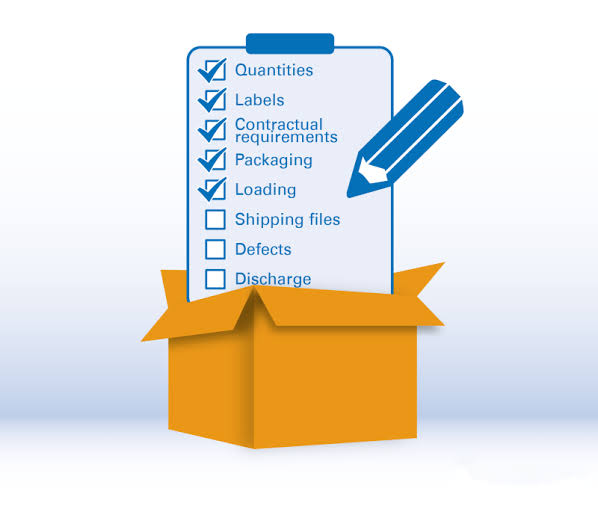
Supplier: safe payment terms, MOQ, lead time, return policy, compliance documentation, factory photographs and videos, and business registration.
Product: a signed quality standard agreement, sample results, packaging information, and precise specifications.
Pricing & Shipping: How to Compare Quotes Correctly
Always request the unit pricing, lead time, payment conditions, Incoterms (EXW/FOB/CIF/DDP), and carton dimensions and weight. When shipping and import expenses are considered, a less priced quote may become more costly. Request both air and sea shipment alternatives and compare the landing cost per unit.
Common Sourcing Mistakes to Avoid
•Selecting the best deal without first conducting a sample or quality control.
•Verify raw material availability while disregarding MOQs and reorder stability.
•Not verifying package dimensions—shipping costs are directly impacted by carton size.
•Purchasing "branded" products through unapproved means increases the risk of counterfeit goods.
•There is no formal defect or return policy; always check before making a payment.
Conclusion
Choose a strategy that aligns with your objective: sourcing agents with inspection and consolidation for complex imports; direct manufacturers through trade shows or vetted marketplaces for the best long-term margins; domestic platforms and local distributors for speed and simplicity; and liquidation lots for high-risk, high-reward opportunities. Always begin with a controlled test order, create a shortlist of trustworthy vendors, and only expand once landing costs and quality are predictable.
Related Articles
All articlesYiwu Market Guide for International Buyers
The Yiwu Market is a place to find suppliers in China especially for people looking for small items wholesale products with low minimum order quantities, mixed orders, gifts, household stuff, accessories, toys, stationery, packaging and seasonal products. The Yiwu Market is huge it has thousands of suppliers showing their products in one place. You can find anything you need here at the Yiwu Market. The Yiwu Market is not like a store where you pick something and take it home. It is a market. Most booths are like showrooms. Buyers visit the Yiwu Market, place orders and then the products are made or prepared. After that the goods are shipped from the Yiwu Market. To succeed in sourcing from the Yiwu Market you need to know how it works. You should understand what the Yiwu Market is good for, how to choose suppliers at the Yiwu Market how to check product quality at the Yiwu Market and how to ship products from the Yiwu Market. You have to do your research and plan carefully to get the best out of the Yiwu Market. Buyers need to understand the Yiwu Market to source successfully from the Yiwu Market. The Yiwu Market is good for commodities and MOQ wholesale products. The Yiwu Market has products across every consumer category. Buyers should know how to evaluate suppliers at the Yiwu Market and control quality at the Yiwu Market. Logistics is also important once you have bought something from the Yiwu Market.
Why Does Customs Hold Things Up Over "Just One Document"?
“We’re stuck because of paperwork”—this is a phrase you often hear in the world of imports. The goods seem fine. The quantities match. Yet, customs clearance isn’t moving forward. Why does paperwork alone cause such a major problem? In this article, we’ll break down the reasons from a structural perspective.
Yiwu's Ultimate Market Sourcing Guide For Global Buyers In 2026
The Yiwu International Trade Market, also well known as the "World's Supermarket" is the world's largest wholesale market for small commodities. This trading market has been designed to serve importers, product distributors, commodity retailers and e-commerce sellers from across 210+ world countries and regions. With over 75,000 physical booths and 400,000+ product SKUs ranging from small to medium and extra large products, of all diversities,categories and types, the Yiwu International Trade Market has become the top sourcing destination for global buyers seeking cost-effective, diversified and customizable wholesale products. The Yiwu's Ultimate Market Sourcing Guide For Global Buyers In 2026 is a guide aimed at elaborating on the Yiwu Market's core advantages, district layouts/product types, standard procurement/purchasing processes,common pain points, professional sourcing solutions and sourcing agent options for global newcomers and long-term buyers.
Hardware Products and Tools Sourcing from China
When you purchase hardware products from China you can earn a lot of money. However if you only consider the price you will likely end up losing money. You need to think about the strength of the hardware products materials and how accurate the sizes of the hardware products. You also need to consider how well the hardware products resist corrosion and the quality of the surface treatment of the hardware products. Hardware products from China are really different from the things you can buy in stores. China is one of the places in the world where they make hardware and tools. They make all sorts of things like hand tools, fasteners, hardware for furniture, tools for building and tools for gardening. If you want to buy hardware products from China and do well you have to be very careful. You need to be careful about what hardware products you're buying and who you are buying the hardware products from. You need to check the quality of the hardware products. What certificates the hardware products have. You also need to think about how you will get the hardware products, from China to where you need the hardware products to be.