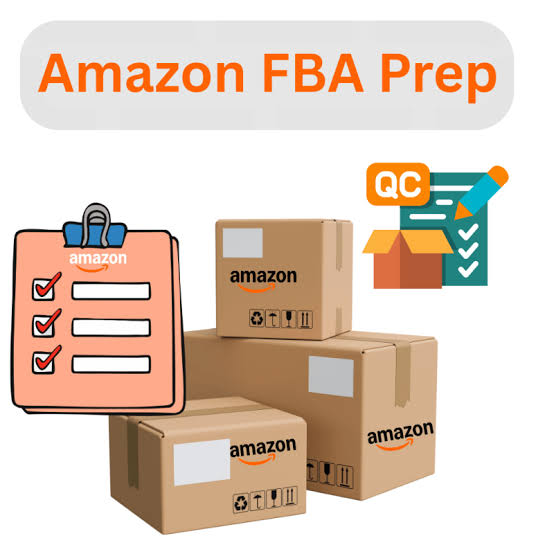
Why You Need an Amazon FBA Prep Service in China
Amazon FBA prep services are vital because they help sellers prepare their products according to Amazon's requirements before sending them to fulfillment centers. The services are usually arranged directly with manufacturers, through independent warehouses in China, or through third-party prep centers in the destination country. Arranging directly with manufacturers has its own advantages as well as third party prep centers, it all depends on the seller's order size, supplier capabilities, product type, and shipping arrangements. If the available options are well understood, it facilitates your decision on whether professional FBA preparation is necessary for your business or not. The points below show how important it is to consider an Amazon FBA Prep Service in China.
1. Factory-managed prep is necessary because it involves asking your Chinese manufacturer to apply the required product labels, package goods, and prepare cartons before dispatch.
2. Factory-managed prep is also good for it is suitable for sellers working with experienced manufacturers who understand Amazon's requirements and can provide reliable quality control.
3. Third-party warehouse prep in China option is important to choose as it entails sending products from one or more suppliers to an independent warehouse for inspection, labeling, repacking, and shipment preparation.
4. Sellers should consider a China-based prep warehouse for it is useful for their sourcing from multiple suppliers because it can consolidate products and check them before international shipping.
5. US-based prep centers are good because they receive imported goods in the United States and complete any required inspection, labeling, repackaging, or shipment preparation before forwarding them to Amazon.
6. US prep centers are equally useful when sellers want to inspect goods after international transportation or need a local facility to manage onward deliveries.
7. Sellers with small orders and simple products can manage preparation themselves or arrange it directly with their manufacturers.
8. Sellers importing fragile, customized, bundled, or multi-SKU products can benefit from professional prep services to reduce packaging and labeling mistakes.
9. Sellers purchasing from several Chinese factories need not worry as they can find a China-based prep warehouse more convenient because it can receive and combine their orders before shipping.
Amazon FBA Prep Requirements Changes in 2026
In January 1, 2026, Amazon introduced an important change to its US FBA preparation services, by discontinuing its in-house prep and item labeling services for applicable US FBA shipments which means that sellers cannot still rely on Amazon to complete these preparation tasks after their inventory arrives at its US fulfillment centers. All required preparation and labeling must be put together by the sellers themselves, through their manufacturers, or with independent service providers. The change has also affected inventory entering the US FBA network through certain Amazon supply chain services. Being in possession of the knowledge and taking up the new responsibilities is important for avoiding shipment problems and unexpected costs. The effected changes include;
1. Amazon ended its US FBA prep and item labeling services for shipments created from January 1, 2026 which initially included FNSKU labels, polybags, bubble wrap etc. The change covers inventory sent directly to US FBA and also applicable inventory moving through Amazon Warehousing and Distribution, Amazon Global Logistics, Amazon SEND, and the Supply Chain Portal.
2. The preparation and labeling of products before they arrive at Amazon's US fulfillment centers is now the responsibility of sellers.
3. Sellers can arrange preparation through their manufacturers, independent China-based warehouses; US prep centers, or their own facilities.
4. Products that need more care and protection, like fragile, liquid, sharp, or other specially classified items, a required to meet the applicable preparation requirements before shipment.
5. Shipments created before January 1, 2026, were covered by the transition arrangement under which Amazon continued to provide the services even if the inventory arrived later.
6. Shipments created after the deadline that arrives without proper preparation and labeling may not qualify for reimbursement if they are damaged or become untraceable.
7. Sellers a required to check their current product preparation guidance in Seller Central instead of assuming that previous preparation arrangements still apply.
8. Sellers should also confirm the applicable rules for their particular Amazon marketplace because preparation-service changes and implementation dates may differ between countries.
Amazon Labeling and Packaging Requirements
1. Every product must have an eligible and scannable barcode for Amazon inventory identification, using either an eligible manufacturer barcode or an Amazon barcode.
2. Amazon barcode labels like FNSKU labels are used when a product must be identified through an Amazon barcode rather than an eligible manufacturer barcode.
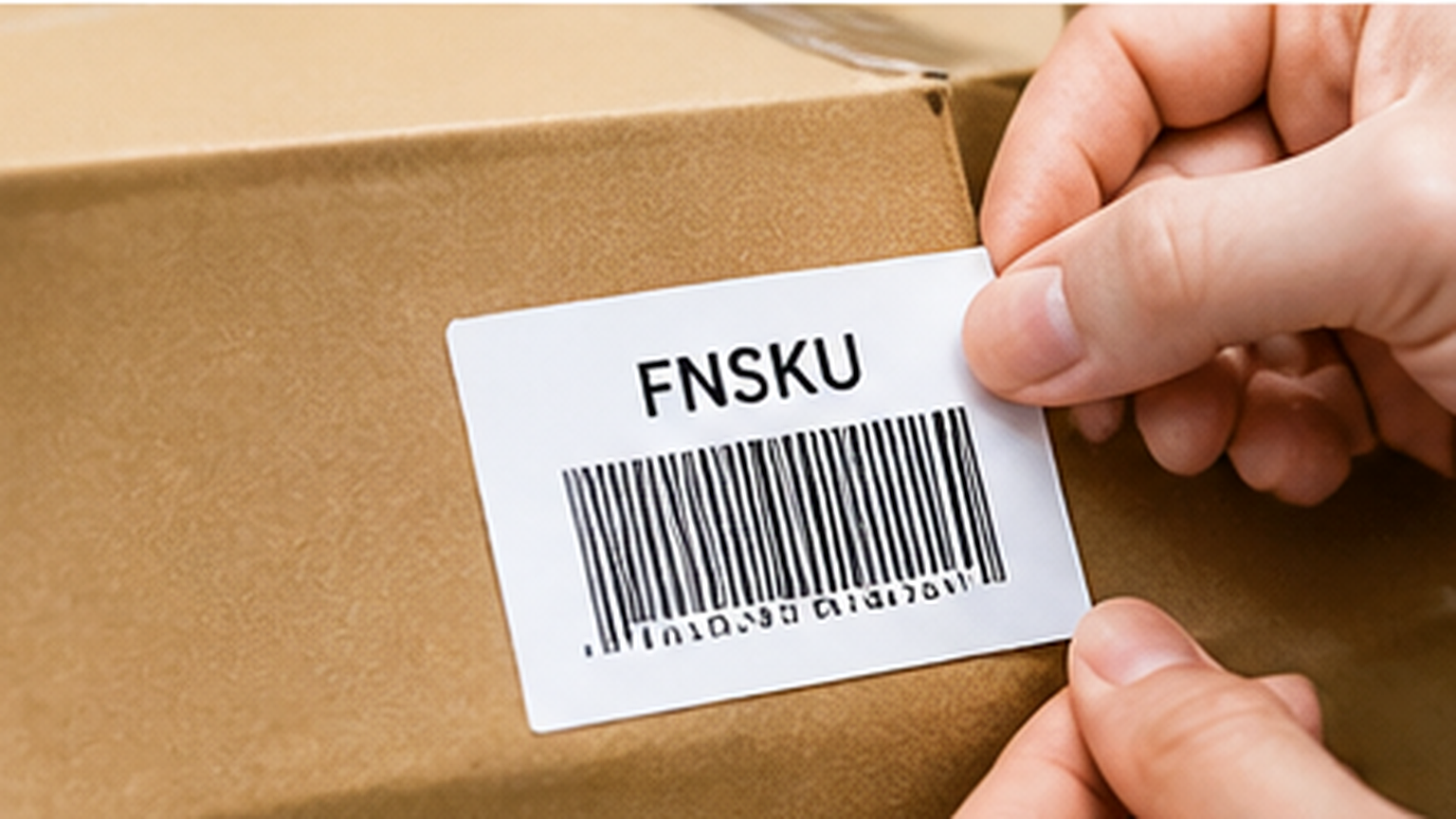
3. Every Brand owner from March 31, 2026, can continue using eligible manufacturer barcodes without any additional Amazon barcode stickers, while resellers are required to use Amazon barcodes even when manufacturer barcodes are available.
4. Sellers should confirm their barcode eligibility and configuration in Seller Central before printing product labels.
5. Every product labels should be placed on a flat, visible surface where they can be scanned easily without any obstruction.
6. Barcodes that already existed and could cause scanning errors should be covered or removed when Amazon barcode labeling is required.
7. Products requiring poly bags must be packed in suitable transparent bags with applicable suffocation warnings and securely closed openings.
8. Products that need bubble wrap or other protective packaging should be prepared according to their specific product category and handling risks.
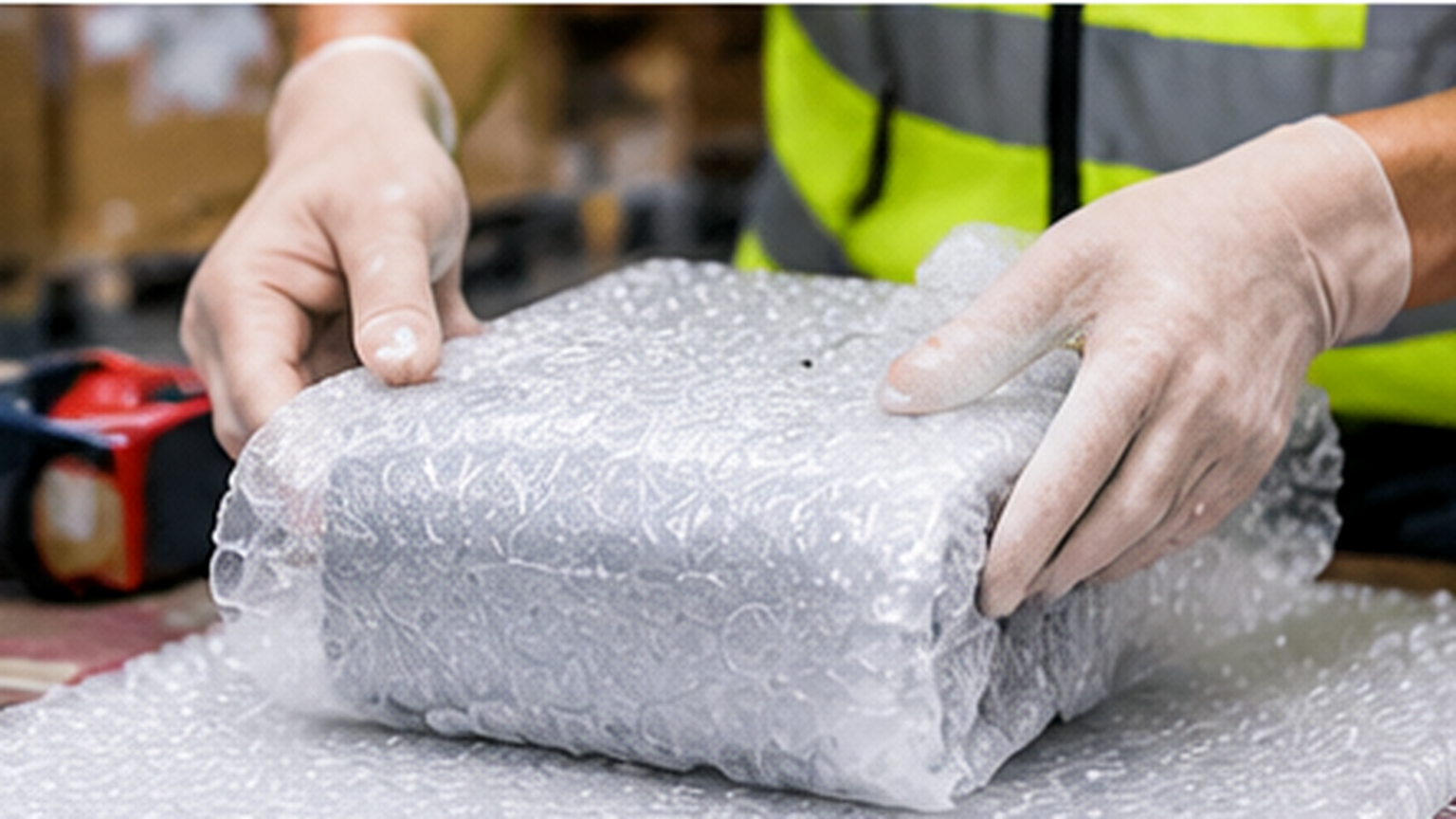
9. Bundles and multipacks sold as one product should be securely packaged together and marked with a label like "Sold as Set" or "Do Not Separate."
10. Individual barcodes on components of a bundle should not remain visible when they could be scanned instead of the barcode for the complete set.
11. Each shipping carton must have its own unique FBA box or shipment identification label generated through the applicable Seller Central shipping workflow.
12. Carton-content information should identify accurately the SKUs and quantities inside each box according to the shipment information submitted to Amazon.
13. Shipping cartons should be strong, properly sealed, and suitable for protecting products during international transportation and warehouse handling.
14. Product preparation should follow all applicable requirements when an item belongs to more than one category, like a liquid product that is also sold as a bundle.
How FBA Prep Works at a China Warehouse
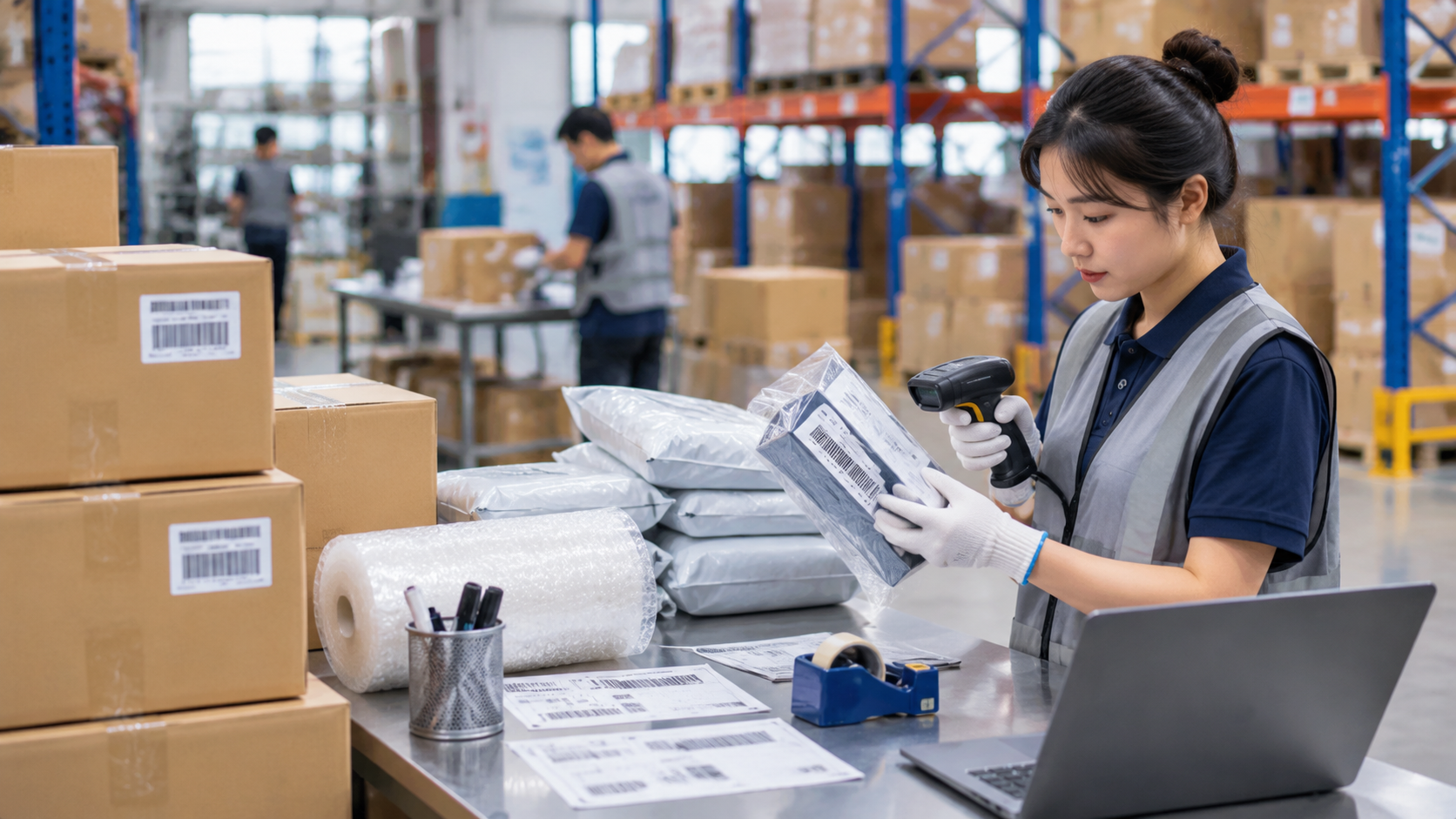
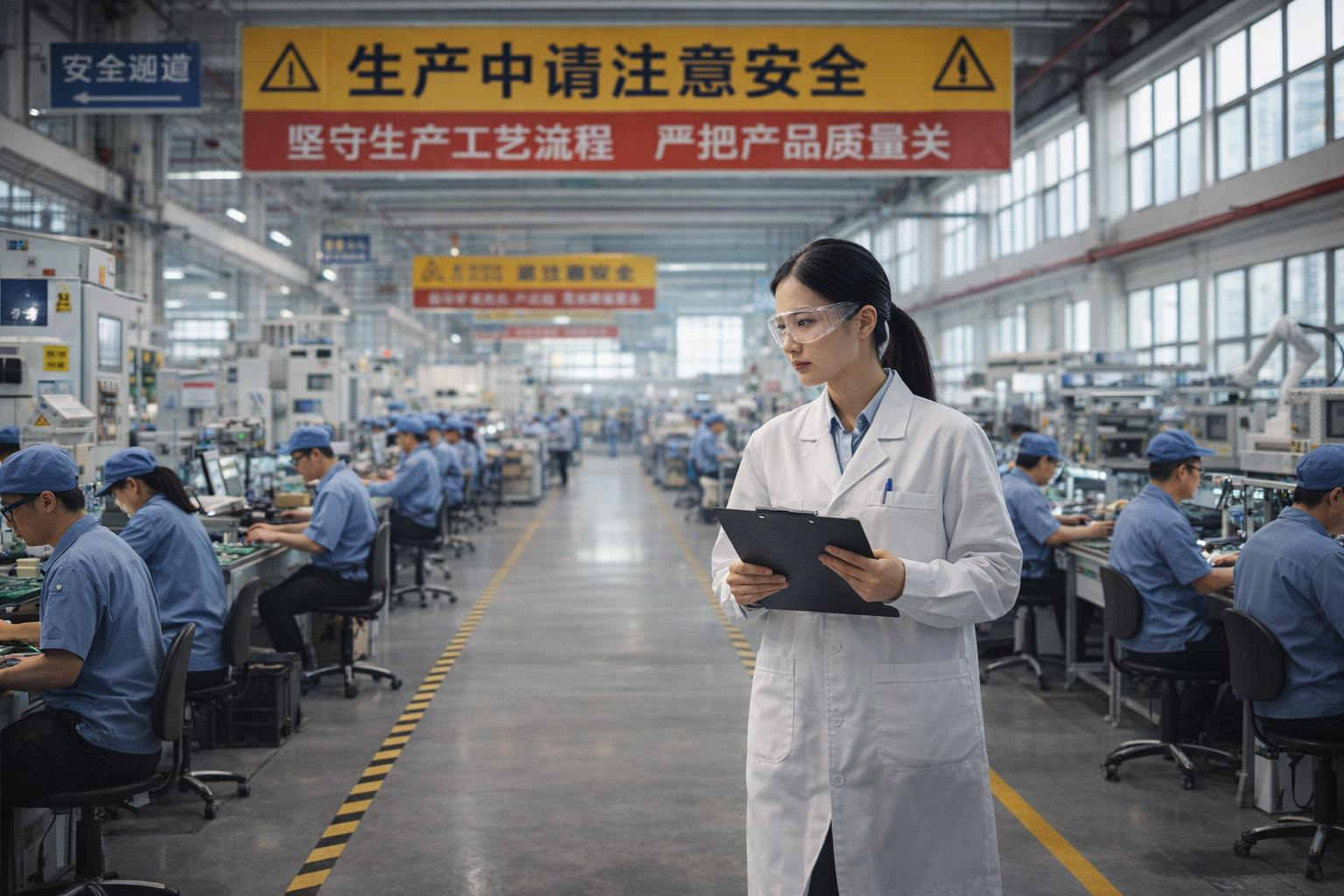
A China-based FBA prep warehouse can also be seen as a central preparation point between suppliers and Amazon's fulfillment centers. It is important and also necessary for sellers to make arrangements for products to be delivered to one warehouse for checking and preparation rather than having every manufacturer handle the entire shipping process independently. To avoid and to reduce product mix-ups, missing units, incorrect labels, and other shipment errors, the FBA prep employs the following strategies in at a China warehouse.
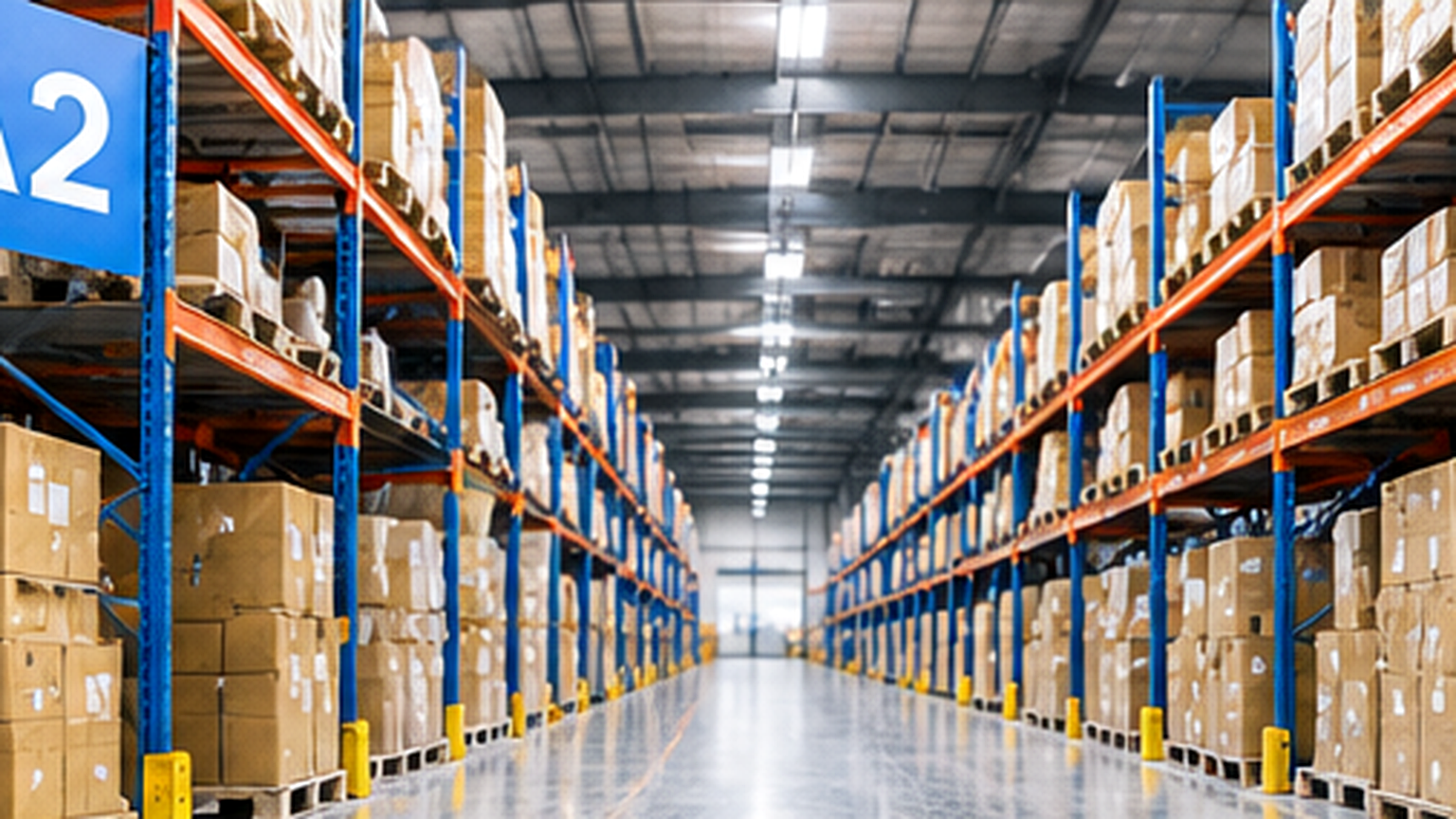
1. The prep process begins when the seller provides the warehouse with supplier details, expected delivery dates, SKU information, and preparation instructions.
2. Chinese suppliers deliver the finished products to the designated prep warehouse according to the agreed delivery arrangements.
3. Warehouse staff receives the deliveries and record the quantities, carton numbers, supplier names, and product descriptions.
4. The warehouse checks the incoming products against the seller's purchase orders and expected delivery records.
5. Each SKU is identified and separated to prevent products from different suppliers or orders from being mixed up.
6. Agreed quality checks or verification are being conducted by the warehouse to see if they will find visible defects, damaged packaging, missing components, or product mismatches.
7. Products are compared with approved samples, specifications, photographs, or other quality references supplied by the seller.
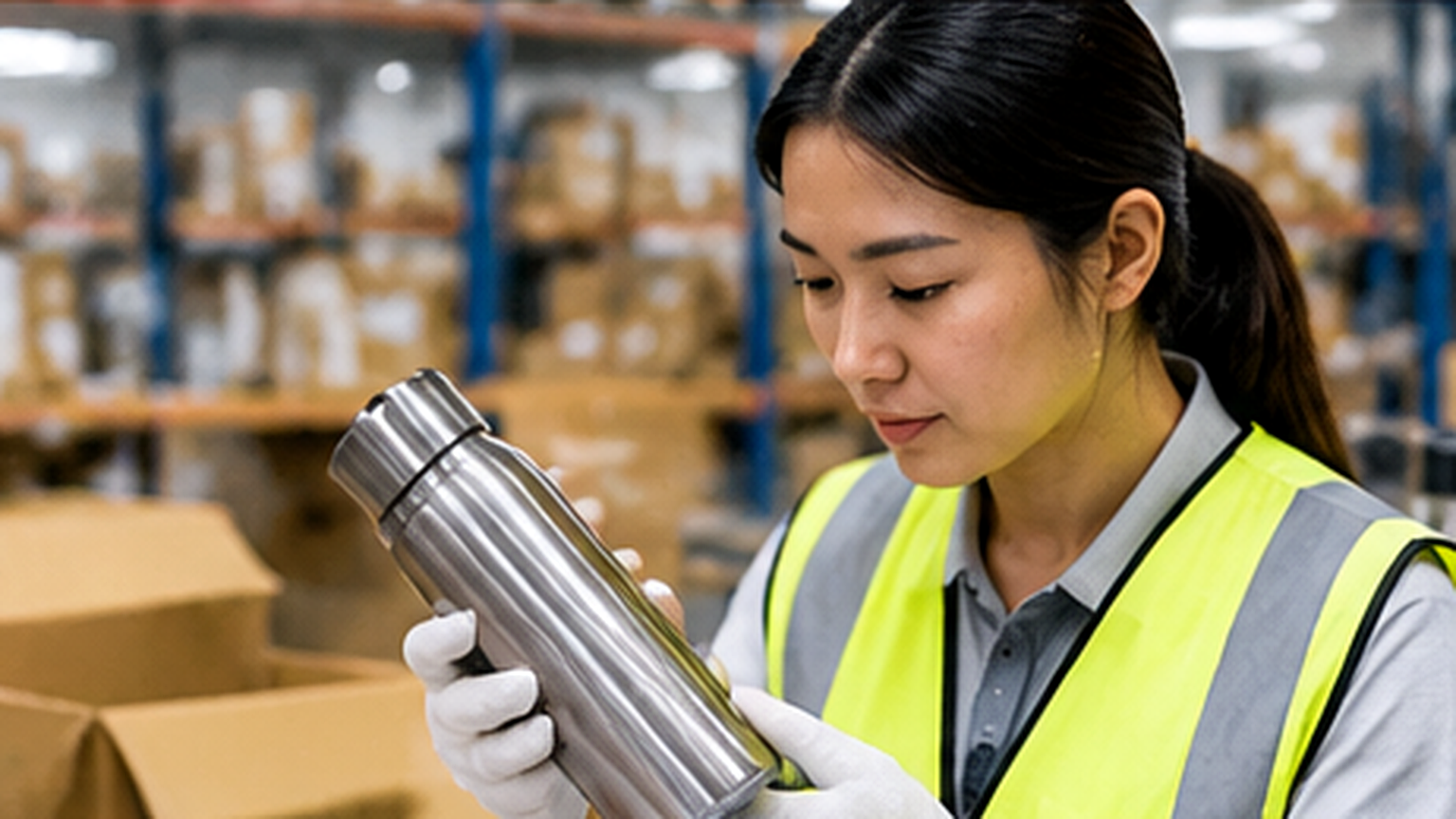
8. The prep team applies the correct FNSKU or other required product labels according to the seller's approved barcode configuration.
9. Products that need poly bags, bubble wrap, protective packaging, or bundle preparation are handled according to their applicable requirements.
10. In order to confirm that the correct quantities and SKUs are being packed products are counted again after preparation.
11. Prepared products are placed by the warehouse into suitable shipping cartons and then record the carton contents, weights, and dimensions.
12. Each carton receives Amazon shipment label and any other required shipping identification that corresponds with it.
13. The warehouse shares photographs, preparation records, and carton information with the seller for final verification.
14. The shipment is then released to the freight forwarder after the seller confirms that the preparation and shipping information are correct.
Amazon FBA Prep Cost in China
Factors like the services required, the number of units, the product category, and the warehouse handling arrangements widely determines the cost of Amazon FBA preparation in China. It is important to be aware that some providers charge separately for services such as receiving, inspection, labeling, packaging, bundling, and storage, while others on the other hand do not do same, they instead offer combined preparation packages.
1. Receiving fees cover the handling, counting, recording, and storage intake of products delivered by Chinese suppliers.
2. Inspection fees depend on if the warehouse does a simple visual check or verification, a detailed quality inspection, or functionality testing.
3. Per-unit labeling charges cover printing and applying FNSKU or other required product identification labels.
4. Packing material charges cover items like poly bags, bubble wrap, protective inserts, tape, and replacement cartons.
5. Bundling and kitting charges apply when several products must be put together and securely prepared for sale as one unit.
6. FBA prep can levy Storage charges in a case where the products remain at the warehouse above the provider's free storage period.
7. If the original supplier packaging does not meet Amazon's requirements or cannot adequately protect the products, repacking charges can be levied.
8. International freight charges depend on the shipment's actual or volumetric weight, destination, shipping method, and applicable logistics fees.
9. Larger orders can bring down or reduce the average preparation cost per unit, even though the total amount paid will generally increase with the number of products.
10. Complicated products can cause higher charges because they need more inspection time, specialized equipment, or additional handling.
11. A provider's minimum batch fee can make a small order relatively expensive even when the advertised per-unit price is low.
12. Sellers should request separate quotations for receiving, inspection, labeling, packaging, bundling, storage, and freight to understand the complete cost.
Illustrative Quotation Comparison
The following examples use publicly advertised rates from PackQuay to demonstrate how preparation costs are usually calculated; even though they are not universal industry rates or guaranteed quotations. PackQuay lists FNSKU labeling at $0.10 per unit, poly bagging at $0.18 per unit, receiving and visual checks at no charge, and a $15 minimum batch charge that may be waived for a first batch. Actual prices and eligibility should be confirmed directly with the provider.
Service 100 units 500 units
FNSKU labeling at $0.10/unit $10 $50
Poly bagging at $0.18/unit $18 $90
Basic preparation subtotal $28 $140
Receiving and visual check Free Free
Minimum batch charge, if applicable $15 Depends on provider terms
13. A 100-unit order using the example rates would cost $28 for labeling and poly bagging before any applicable minimum charge, additional services, or freight.
14. A 500-unit order using the same rates would cost $140 for labeling and poly bagging before additional services and freight.
15. Sellers should ask for quotations based on their actual SKUs, quantities, packaging requirements, and destination instead of assuming that one provider's rates apply to all China warehouses.
Steps to Shipping Prepared Products from China to Amazon FBA
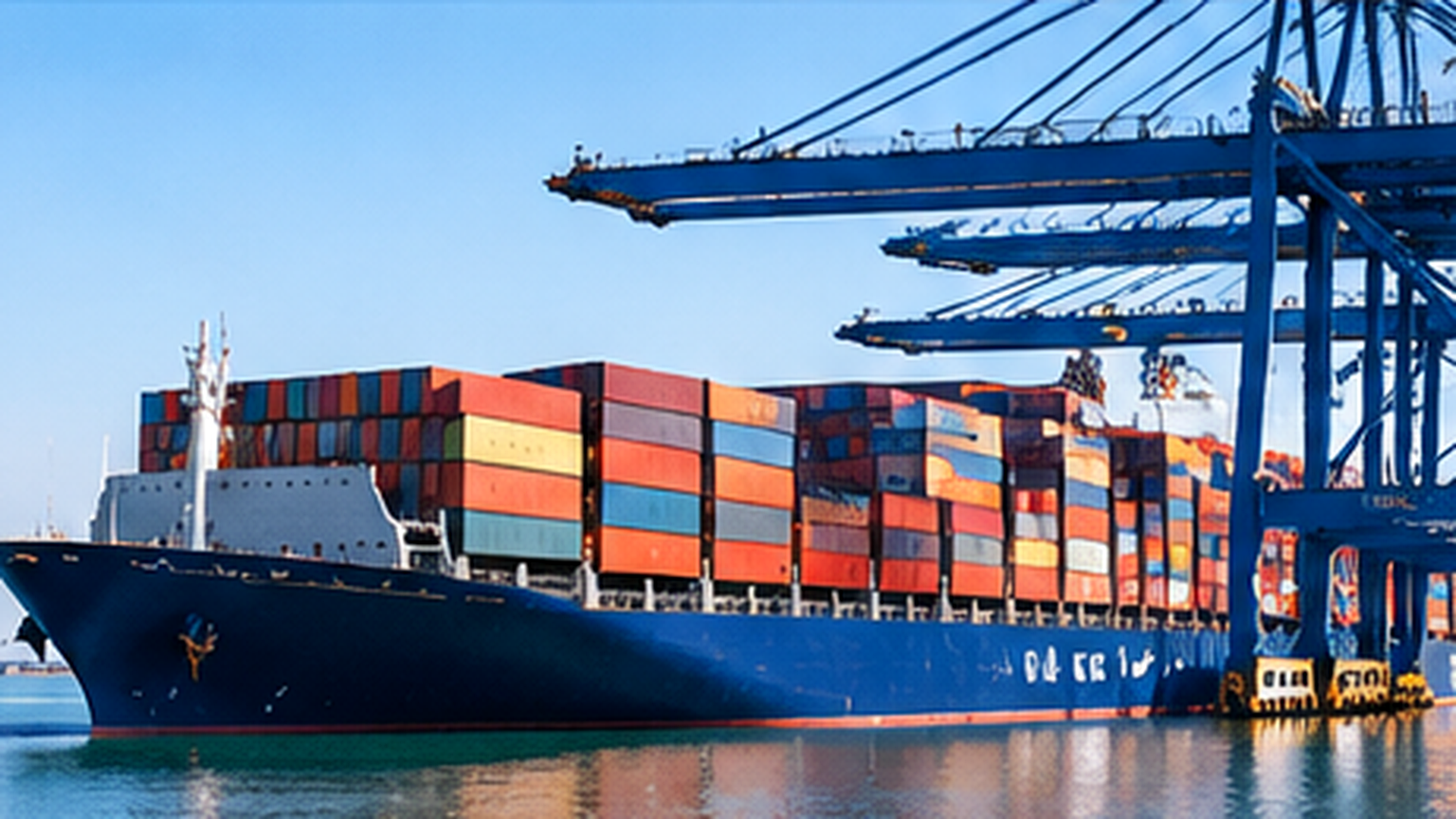
1. Create an FBA shipment through the appropriate or accepted Send to Amazon workflow in Seller Central then select the products and quantities you intend to send.
2. Verify and confirm the destination fulfillment center or fulfillment Center’s assigned through the shipment workflow.
3. Enter the correct packing information, stating if the products are individually packed or shipped in case packs.
4. Download the product barcode files and share them with the China prep warehouse for labeling.
5. Give to the warehouse the carton label files generated through the shipment workflow so each box receives its correct identification label.
6. Submit accurate box-content information, including the SKUs, quantities, carton weights, and carton dimensions.
7. Check and confirm that the warehouse has done the correct product labels and matched each carton to the appropriate shipment information.
8. Choose a suitable shipping method, such as express courier, air freight, or sea freight, according to your budget, shipment size, and delivery time.
9. Arrange the appropriate export documentation and confirm the freight forwarder's responsibilities for customs procedures.
10. Choose or confirm who will act as the importer of record in the United States and who will handle import clearance, duties, taxes, and customs brokerage.
11. If you are shipping directly from China to Amazon FBA, arrange for the freight forwarder to deliver the prepared shipment to the assigned Amazon fulfillment center according to its appointment and routing requirements.
12. If shipping is done through a US third-party warehouse, make the necessary arrangements for the goods to be imported and delivered to that warehouse before they are looked at and forwarded to Amazon.
13. Sellers should provide the freight forwarder with the correct Amazon delivery details and make sure that the carrier follows the shipment's routing instructions.
14. Track the shipment and retain shipping documents, carton records, customs documents, and proof of delivery until Amazon has received and processed the inventory.
Choosing a Reliable FBA Prep Service Provider
It is important to know that preparation mistakes can always happen which can sometimes affect your inventory, shipping costs, and Amazon receiving process so choosing a reliable FBA prep provider in China is a step to always consider. Sellers should always have it in mind that a suitable provider should have an operational warehouse, trained staff, and a clear understanding of Amazon's current preparation requirements. They should equally examine the provider's pricing structure, inspection procedures, labeling accuracy, and ability to resolve problems when something goes wrong. The following points can help you evaluate providers before entrusting them with your products.
As a seller, you should always confirm that the provider operates an actual warehouse or has a clearly identified facility where your products will be received and prepared.
Never forget to ask for photographs, videos, or a live virtual tour of the warehouse and its preparation operations.
Check if the provider has experience handling your kind of product, especially if your products require special packaging or testing.
Demand for a detailed price list covering receiving, inspection, labeling, packaging, bundling, storage, and additional handling fees.
Ask for sample inspection and preparation reports to check and know how the provider records product quantities, defects, and labeling results.
Confirm that the provider has a process for verifying every SKU and matching product labels against the correct shipment information.
Ask if product barcodes are scanned and checked after application so as to reduce the risk of incorrect or unreadable labels.
It is equally important to confirm that the provider can supply photographs and carton-content records before the shipment leaves the warehouse.
Check how the provider handles missing units, damaged products, incorrect labels, supplier delivery shortages, and other unexpected problems.
Point out who is responsible for additional costs when products arrive in bad condition or require unexpected repackaging.
Confirm the provider's average processing time and if it can handle urgent shipments or seasonal increases in order volume.
Check if the provider can coordinate with your suppliers and freight forwarder to reduce communication delays.
Ask for written confirmation of the services included in your quotation before making payment.
Amazon FBA Prep Service Checklist
Use this checklist to compare services and confirm that important preparation and shipping requirements are covered before choosing a provider.
The provider has a verifiable warehouse and clear operating address.
The provider has experience preparing products for Amazon FBA.
Receiving, counting, and SKU verification procedures are clearly explained.
Product inspection and quality control services are available.
FNSKU and manufacturer barcode requirements are understood.
Product labels are checked for accuracy and scannability.
Poly bagging, bubble wrapping, bundling, and repacking services are available where needed.
Carton labels and box-content information can be handled accurately.
Photographs and preparation reports are provided before dispatch.
All service fees, storage charges, and additional costs are clearly stated.
There is a clear procedure for handling missing, damaged, or incorrectly labeled products.
The provider can coordinate with suppliers and freight forwarders.
The shipment is released only after the seller has approved the preparation records.
Conclusion
Getting products ready for Amazon FBA is something that every seller importing from china needs to take seriously. This has become even more important since Amazon stop offering its own preparation and labeling services in the US in 2026. Sellers now need to make sure their products are properly inspected or checked, labeled, packaged and ready for delivery before they reach the Amazon's fulfillment centers. You can have this done in the factory through a prep warehouse located in china or better still through a service provider in the US. Whichever option you think is most suitable for you and you choose, make sure to take your time to verify the provider’s experience, understand what you are paying for and make sure that the work is done correctly. A little extra attention at this pertinent stage can save you from shipment delays, expenses you did not prepare for and future problems with your inventory.
Related Articles
All articlesChina Factory Audit: Costs, Checklist, and How to Verify a Manufacturer
China Dropshipping Agents for Shopify: Sourcing, Order Fulfillment, and Cost Guide

China Wholesale Markets by Product: Where to Source Clothing, Electronics, Toys, and More

How to Choose A1688 Sourcing Agent, Fees, Quality Control and Shipping