When You Should Audit a Chinese Factory
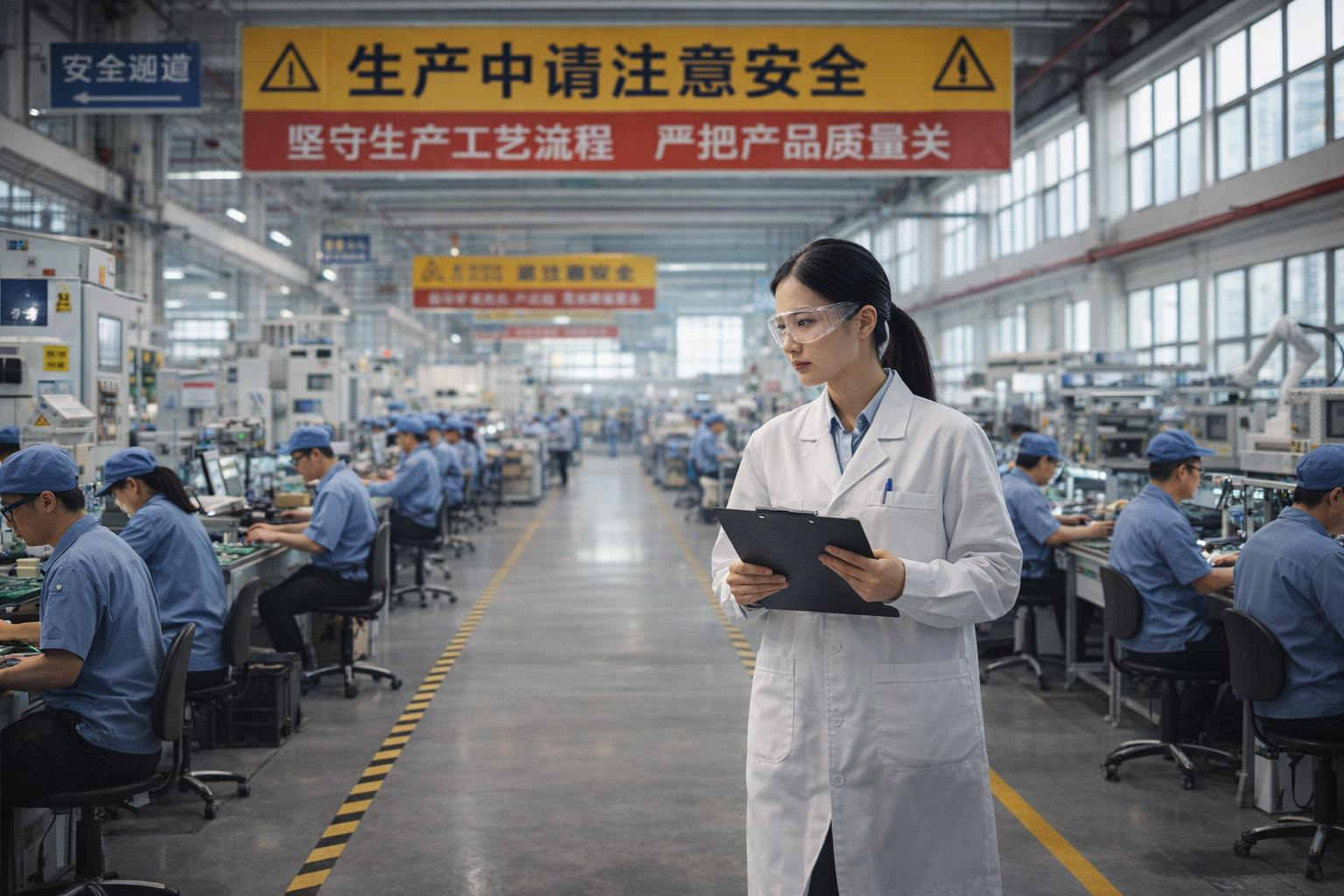
A factory audit is noted to be useful especially when the financial or operational risks of choosing the wrong manufacturer are high. It contributes in helping buyers confirm that a supplier has the facilities and systems that are needed to produce their goods at a consistent rate. In spite of this, not every purchase needs a full on-site audit. The verification level should match the order value, product complexity, and importance of the supplier relationship. The points below show why factory audits are worthwhile.
1. First-time high-value orders: carry out audit in the factory before making payments for a large deposit or going in for substantial production quantities.
2. OEM and ODM projects: Carry out checks to know if the manufacturer has the equipment, technical skills, and production processes needed for your products that have been customised.
3. Long-term partnerships: carry out an assessment on the factory's ability to maintain consistent quality and meet up with repeated orders.
4. Uncertain production capacity: make arrangements for an audit in a case where the supplier claims output that you cannot independently confirm.
5. Specialised products: Carry out checks to know if the factory has the machinery, trained workers, and quality systems that is needed for products with specific technical requirements.
6. Small ready-stock orders: Basic document checks, supplier verification, and product inspection can appear to be enough when buying low-value products that are already in stock.
What a China Factory Audit Actually Check
1. Legal identity: this Checks the business’ licence, registered company name, business scope, and also if the contracting company is a match with the factory being audited.
2. Actual production address: this is to be sure that the auditor visits the real manufacturing location instead of a sales office, showroom, or trading company.
3. Equipment and machinery: Checks if the factory owns or controls suitable machines, tools, production lines, and equipment meant for testing.
4. Production capacity: Reviews output records, working shifts, workforce size, existing orders, and if the factory can meet up with the quantity required by the buyer and delivery schedule.
5. Workforce: Assess the number of employees, worker skills, training arrangements, and also sees if enough staff are available for the proposed order.
6. Quality management systems: Examines incoming material checks, production inspections, final quality checks, defect records, and corrective action procedures.
7. Raw-material control: Checks how the factory buys, receives, stores, identifies, and inspects raw materials before the production process takes place.
8. Subcontracted production: This identifies processes performed by factories outside and confirms if subcontractors are disclosed and properly controlled.
9. Production records: Reviews manufacturing schedules, inspection documents, maintenance records, and other evidence that supports the operational claims coming from the factory.
The audit should also take into consideration product-specific needs. For example, a furniture manufacturer can need a suitable woodworking machinery and finishing facilities, while an electronics factory can need assembly equipment and functional testing systems.
Factory Audit vs Supplier Verification vs Product Inspection
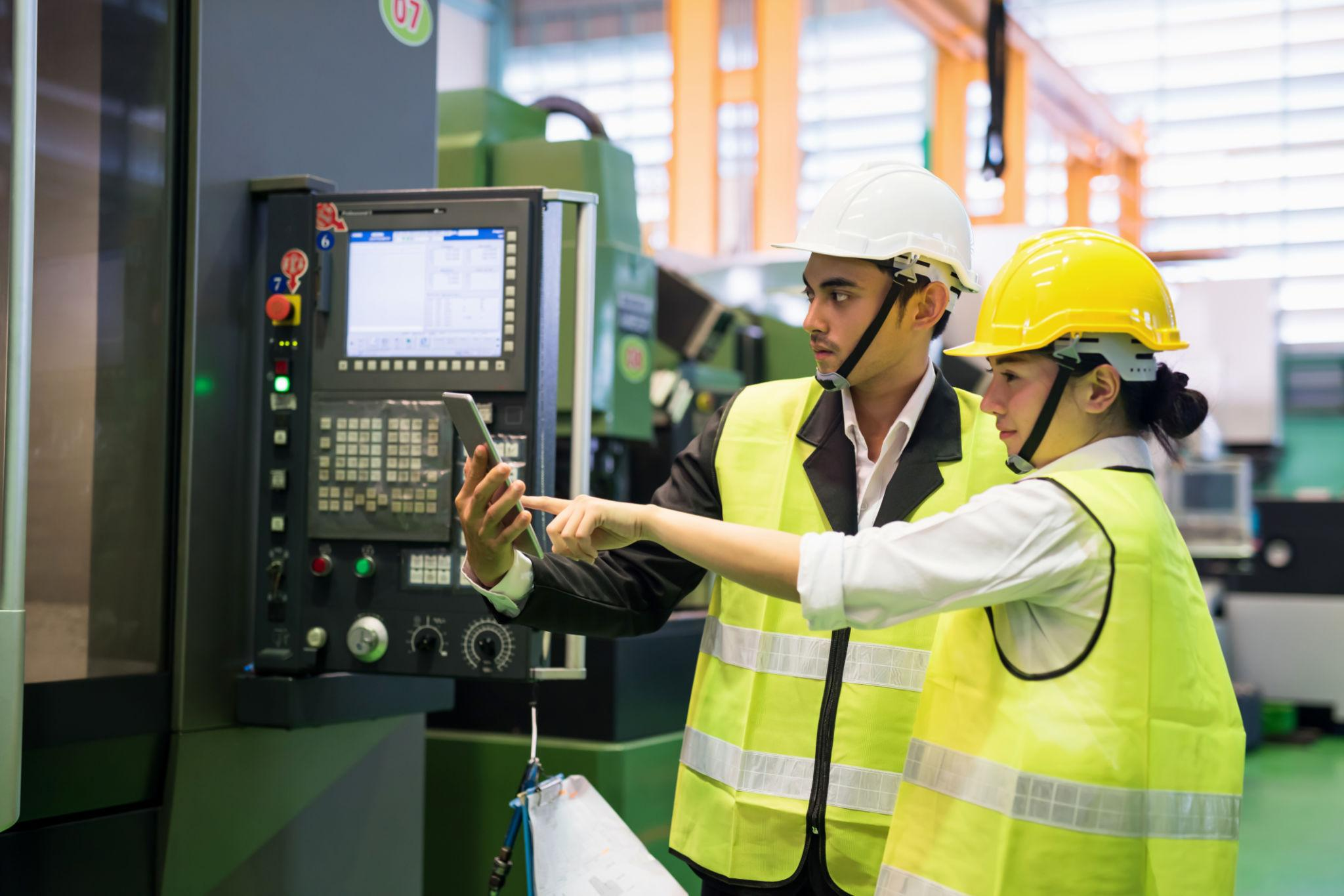
The three different checks that are used during the sourcing process are Supplier verification, factory audits, and product inspections. They assist buyers in identifying the different types of risk and should not be treated as services that are interchangeable. Making use of the appropriate checks at different stages provides stronger protection than depending on only one.
| Check | What it examines | Main purpose |
|---|---|---|
| Document based Supplier verification | Business registration, company details, ownership information, business scope, and other available records | Confirm who the buyer is dealing with |
| on-site Factory audit | Production premises, machinery, workforce, capacity, quality systems, and subcontracting | Determine whether the supplier can manufacture the products |
| Product pre-shipment inspections | Actual products, workmanship, quantity, specifications, and packaging | Check whether a particular order meets requirements |
The different shipment risks addressed by these approaches include;
1. Supplier verification: Usually has to do with checking business documents and available company records before going ahead to place an order or transferring money.
2. Factory audit: Needs an on-site visit to check the manufacturer's actual facilities, production processes, and operational capabilities.
3. Pre-shipment inspection: This takes place when goods are ready to be sent and checks if the finished products meet the agreed specifications and quality standards.
It should be noted that these services cannot replace one another. A company that is verified can still lack enough production capacity, an audited factory can still produce defective goods, and a successful product inspection does not necessarily prove that the supplier has reliable long-term production systems.
The Cost of a Factory Audit in China
Factory audit prices are dependent on the number of auditor-days that are needed, the inspection scope, and the factory's location. One day can be used for a basic manufacturing audit; meanwhile a larger facility or a more detailed technical assessment on the other hand can need more time. Buyers have to also check if the quotation includes transportation, reporting, and any specialist assessments. Comparing only the advertised daily rate can be misleading if important charges are being excluded.
Understand auditor-day pricing
Many inspection companies do charge per auditor-day, meaning that the cost is calculated according to the number of auditors and days needed to complete the assignment. For instance, a one-day audit that involves only one auditor is generally charged as one auditor-day. A more extensive assessment that might need two auditors for two days would involve four auditor-days.
Factors that affect the price
1. Audit scope: A general manufacturing audit can cost less than a detailed technical, environmental, or social compliance assessment.
2. Factory size: Larger facilities that have several production lines can need more inspection time.
3. Factory location: Travelling to remote manufacturing areas can lead to an increase in transportation and accommodation expenses.
4. Specialist requirements: Audits that involve specialised machinery, technical processes, or industry-specific standards can as well need experienced auditors.
5. Reporting requirements: Detailed reports, additional evidence, and follow-up assessments can also affect the final quotation.
V-Trust's published audit price
V-Trust publicly lists its standard factory audit service at US$398 per auditor-day. Its published offer describes the price as all-inclusive in major manufacturing clusters in Asia and states that it includes:
1. Auditor travel expenses.
2. Weekend audits with no additional charges.
3. Full-time experienced auditors.
4. A detailed audit report issued within two days.
5. Consultation before and after the audit.
It should also be noted that this is V-Trust's advertised rate, not a standard price charged by every inspection company. Buyers should confirm the applicable location, audit scope, number of auditor-days, and any additional requirements directly with the provider before booking.
Request a complete quotation
Before confirming an audit, ask that the service provider should state the total cost and what it covers. The quotation should identify clearly the audit type, number of auditor-days, travel arrangements, reporting fees, and any additional specialist services.
Choosing and Arranging a Reliable Factory Audit Service
How to compare independent audit providers
1. Check the provider's experience in conducting factory audits in China.
2. be sure that its auditors have experience with your product category and manufacturing processes.
3. Ask if the company uses full-time auditors or external contractors.
4. Check the important professional qualifications and accreditations for the audit type that is needed.
5. Confirm that the provider has no financial relationship with the factory that could have an effect on its independence.
Review the audit scope and sample reports
1. Ask for a sample report so as to understand how findings, evidence, photographs, and recommendations are presented.
2. Make sure to confirm that the audit covers legal identity, production facilities, capacity, equipment, workforce, and quality management.
3. Ask if the auditor will check raw-material control and subcontracted production.
4. Find out if product-specific technical requirements can be added to the checklist.
5. Check if the report carries a clear summary of risks and corrective actions.
6. Be sure that the audit actually takes place on site
The service provider should give evidence that its auditor visited the factory. Buyers can ask for dated pictures of the production areas, machinery, company signage, and relevant records. The final report should identify the audited location, visit date, audit scope, and findings. A document review or online supplier assessment does not necessarily have to be presented as a completed on-site factory audit.
Provide the required information before scheduling
The buyer has to hand over to the audit company enough information to identify the correct factory and understand what needs to be checked. Below are details of the necessary information to be given.
Product information
1. Product name and category.
2. Product specifications, drawings, or technical requirements.
3. Expected order quantity and production schedule.
4. Special manufacturing processes or equipment needed.
5. Quality standards and certifications important to the product.
Factory information
1. Registered company name and trading name.
2. Factory address and contact details.
3. Business licence, if available.
4. Supplier contact person.
5. Expected production capacity and delivery commitments.
6. Known subcontractors or outsourced processes.
Agree on the audit arrangements
Before the visit takes place, you have to confirm the audit date, duration, scope, price, report delivery time, and communication arrangements. Ask the provider how urgent findings will be communicated and if arrangements can be made for a follow-up visit in case the factory fails to meet important needs.
Reading a Factory Audit Report before Placing an Order
An audit report should be able to help buyers make the decision on if a manufacturer is suitable for the intended order or not. Looking at the overall score or a general statement that the factory passed is not enough. Buyers have to also examine the actual findings, supporting pictures, production records, and identified weaknesses. Particular attention should be given to issues that could have an effect on production capacity, product quality, delivery schedules, or control over manufacturing.
Check whether the factory has sufficient production capacity
Compare the factory's actual production output with the quantity and delivery schedule you need.
Warning signs include:
1. Production lines that cannot handle the needed order volume.
2. A workforce too small for the proposed production schedule.
3. Existing orders that leave little capacity for new work.
4. Production records that do not support the supplier's stated output.
5. Equipment downtime or other operational problems that can cause delay in the production process.
Identify unsuitable or inadequate equipment
Check if the machinery observed during the audit can produce your specific product to the demanded standard.
Warning signs include:
1. Missing equipment needed for important production stages.
2. Old or poorly maintained machinery that affects output or consistency.
3. Inadequate testing equipment for the product category.
4. Production processes that heavily depend on manual work when machinery is needed.
5. Equipment that is shared with other facilities without clear scheduling arrangements.
Assess the strength of the quality management system
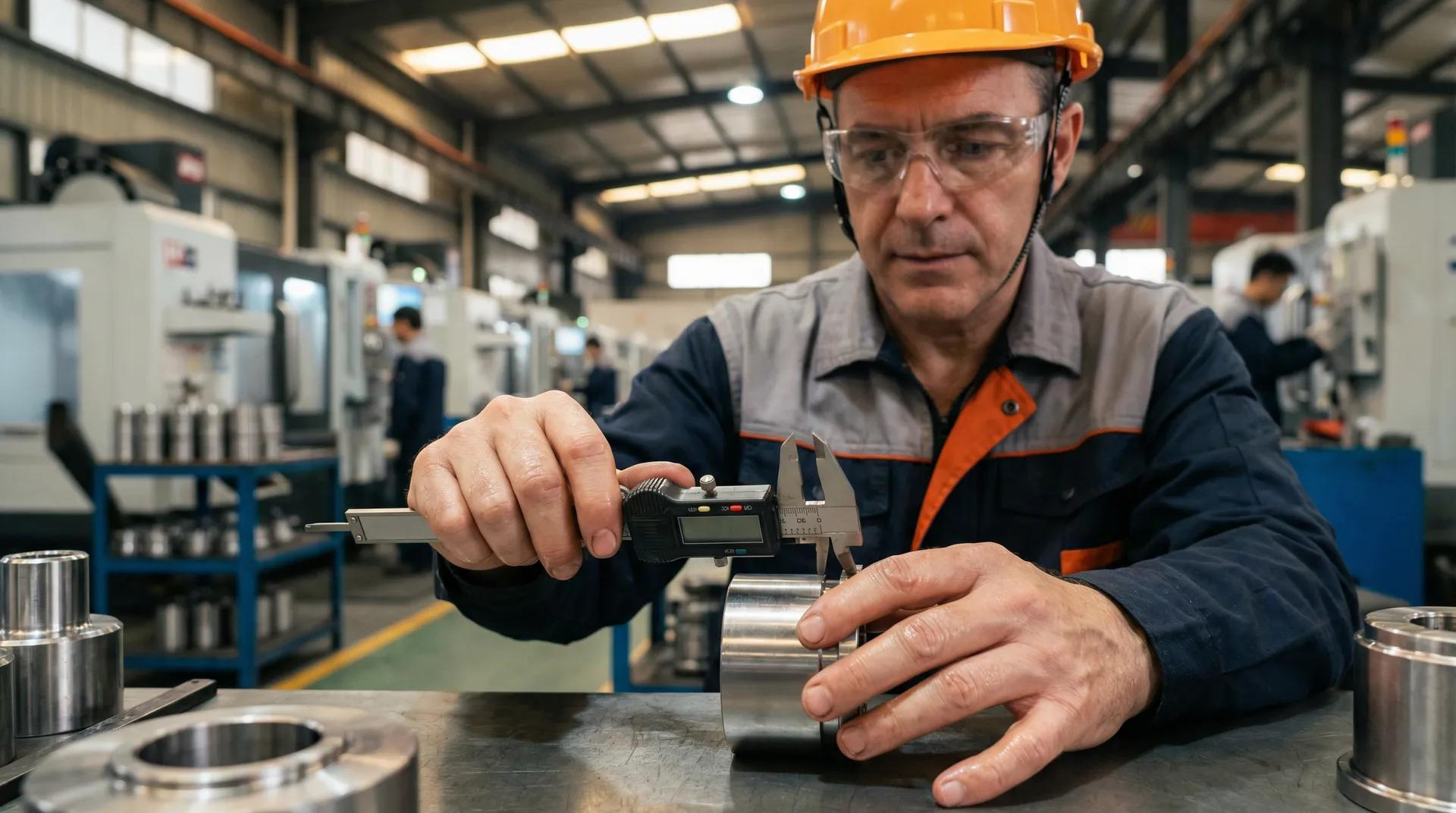
A factory needs to have documented procedures for checking of materials, monitoring production, identifying defects, and approving finished goods.
Warning signs include:
1. No clear incoming inspection process for raw materials.
2. Missing production inspection records.
3. No documented procedure for handling defective products.
4. Poorly maintained or uncalibrated testing equipment.
5. No evidence that previous quality problems were investigated and corrected.
Look for undisclosed subcontracted production
Some suppliers do outsource part or all of their manufacturing to other factories. This can sometimes affect the control of quality, delivery schedules, confidentiality, and product consistency. Find out if the report identifies outsourced processes, the names or locations of subcontractors, and how their work is being supervised by the main supplier.
Decide whether to proceed, request corrective action, or reject the supplier
Not every audit finding means the factory should be rejected. The decision should depend on the seriousness of the problem and whether the supplier can correct it before production begins.
| Audit finding | Recommended action |
|---|---|
| Strong facilities, suitable equipment, sufficient capacity, and effective quality controls | Proceed with the order, subject to normal product inspections and contractual checks |
| Minor documentation gaps or manageable operational weaknesses | Request corrective action and supporting evidence |
| Equipment or staffing shortages that could affect delivery | Delay the order until the factory demonstrates sufficient capacity |
| Weak quality management or repeated unresolved defects | Require corrective action and follow-up verification before production |
| False company information, misleading factory details, or undisclosed subcontracting | Consider rejecting the supplier |
| Serious inability to meet product specifications or production requirements | Reject the supplier if the problems cannot be corrected reliably |
Request corrective action and follow-up verification
When the report shows problems that can be corrected, ask the factory to provide a written corrective action plan. It should bring out each issue, the action required, the responsible person, and the expected completion date.
Conclusion
In conclusion, a factory audit is a strong tool that helps buyers understand if a Chinese manufacturer has the facilities, equipment, workforce, and quality systems needed to effectively accomplish an order. It is worthwhile especially for high-value purchases, customised production, and long-term supplier relationships. An audit however, should form part of a broader sourcing process. Verify the supplier's business identity, inspect the factory where it is seen necessary, and arrange product inspections before shipment. Each check addresses a different risk.
Most importantly, review the actual audit findings before an order is being placed. In a case where the factory has serious capacity, equipment, or quality management problems, they should be addressed before making a financial commitment. Choosing a manufacturer based on verified capabilities instead of promises can reduce the risks of production and create a more reliable supply relationship.
Related Articles
All articlesChina Dropshipping Agents for Shopify: Sourcing, Order Fulfillment, and Cost Guide

Amazon FBA Prep in China: A Complete Guide to Preparing Products for Amazon
China Wholesale Markets by Product: Where to Source Clothing, Electronics, Toys, and More

How to Choose A1688 Sourcing Agent, Fees, Quality Control and Shipping