What is a B2B Sourcing Platform?
A B2B sourcing platform can facilitate the identification, negotiation and agreement on the acquisition of goods from suppliers as well as track orders, ensure quality control and organize shipping throughout the process. The main function of this type of platform compared to any other method of finding suppliers is how it is structured to provide a much higher degree of efficiency throughout the process.
B2B Sourcing Platform vs B2B Marketplace: What is the difference?
With a B2B marketplace one is able to acquire any number of suitable suppliers which will be helpful for creating an initial prospect list but will leave you to take care of all the ordering and shipping which would still be handled in a more or less similar way as one would manage sourcing with traditional methods, while a B2B sourcing platform offers a more or less end to end solution which makes purchasing seamless.
Types of B2B Sourcing Platform (choose based on your organization)
There are three different kinds of B2B sourcing platforms: market-based platforms (where you would still be responsible for product quality and shipping after finding suitable suppliers), managed platforms (a system of platform and human assistance available to clients who deal with international sourcing and/or are looking for more than one product line) and procurement tools (such as SRM or ERP systems designed to be used by companies that are well established and already have existing suppliers) to consider.
What are the most critical features in B2B Sourcing Platforms?
- A few critical features to consider while choosing a B2B sourcing platform:
- A team with a supplier verification system, standard RFQ and quote comparisons that analyse the total landed costs.
- A team with an adequate quality control and assurance procedure (including Inspections and the logging in of defects/defect solutions).
- A team with collaboration tools on the platform to enable efficient order management and order specific conversations.
- A team with efficient logistics solutions that allows product consolidation and shipment tracking at a cart level.
- Lastly, a team that supports reordering which has the ability to recall past product specifications and prices.
How to Select the Right Platform (checklist)
Before choosing the correct sourcing platform, one must first determine what the sourcing objective is and what product types the said sourcing platform supports. A platform must demonstrate its value by assuring that the sourced items are protected by the supplier verification and quality assurance procedure. The platform must be transparent with all landed cost calculations, should make reordering effortless and be able to recall the specification and estimated shipping date for any saved product.
Best Process for using Any B2B Sourcing Platform
To make effective use of a B2B sourcing platform, the suggested procedure is to follow six basic steps:
- The first step should be to prepare a one-page sourcing brief.
- The second step would then be to find 3-5 suitable suppliers rather than getting just one supplier.
- Step 3 would be to test the quality of the product by first ordering for a sample.
- Step 4 is would be to evaluate the sample order and understand the real defect rate.
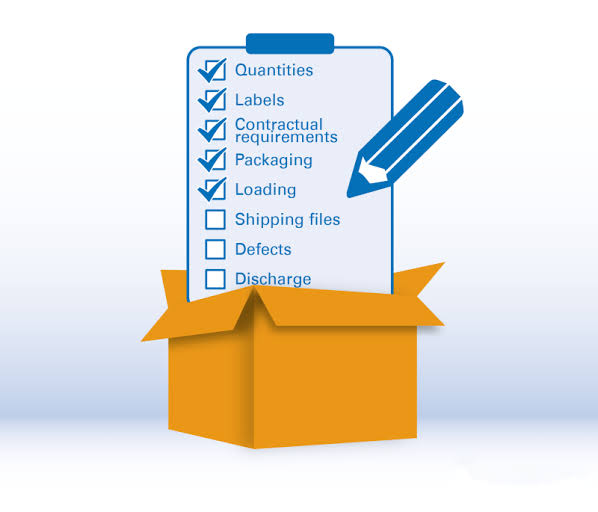
- Step 5 would entail conducting pre- shipment quality checks on your items to ensure it has been manufactured as specified in the PO. You can check the carton sizes, product quantity and defect rates.
- Step 6 is to coordinate with the relevant parties about shipment and set a reordering procedure.
Typical Errors made by B2B purchasing teams
Errors frequently made by the purchasing team that could cost the company significant revenue loss would include:
- The over reliance on price as the most important factor.
- Forgoing sample testing on large order quantities.
- Focusing on generalized product specifications, failing to consider the carton size until a significant shipment costs is incurred.
- Lacking a formal defect policy and not having documented information on how a previously ordered item was purchased so as to allow for smooth a reordering process.
Copy & Paste RFQ Template (Anywhere you want)
Your RFQ document must include product specification details, pictures and the MOQ in comparison to the different price-tiered orders, the quantity and type of packaging required, the shipping lead time to get samples to you and the quantity to be produced. Also included should be information on carton specifications including the dimensions, defect notification procedure and the time-line in which claims must be made alongside the shipping terms you prefer for getting your products to its final destination.
Conclusion
The success of a B2B sourcing solution should be measured by its ability to perform risk management, carry out product quality control and foster efficient reordering processes all as seamlessly as possible.